One Year After the Fires, What Comes Next? Professor Minjee Kim on Rebuilding Los Angeles for Equity and Resilience
by Peaches Chung
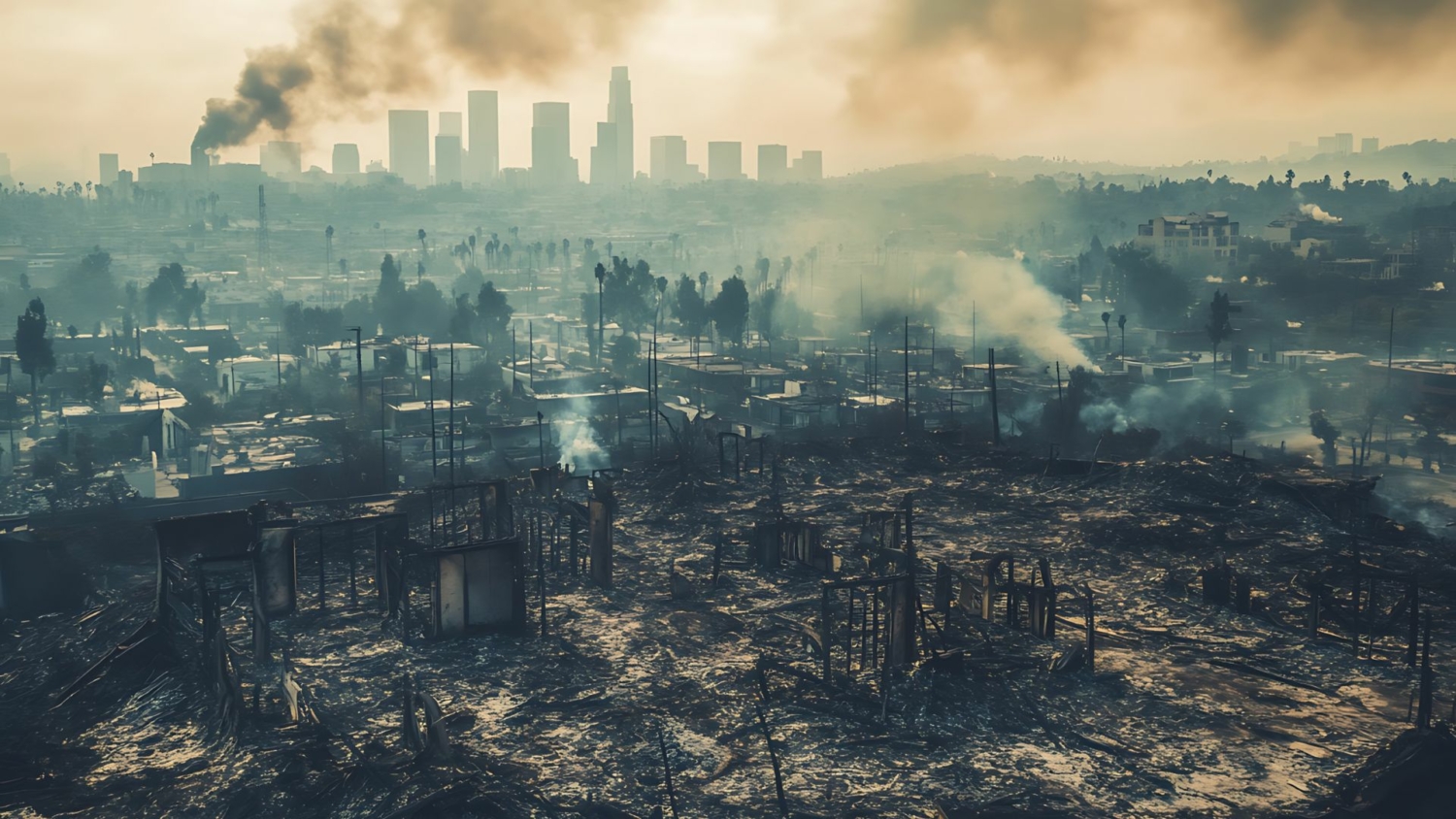
One year after the Palisades and Eaton fires, the physical damage still remains — empty lots, foundations without homes, quiet neighborhoods waiting to return. For Minjee Kim, assistant professor of urban planning at UCLA, the devastating wildfires presented a rare chance to rethink Los Angeles’ most fire-prone areas, a chance she says, that was largely missed.
“The destruction was so massive,” Kim says. “It presented the city and the county with a chance to think big and to think differently. Unfortunately, that didn’t happen.”
Professor Minjee Kim
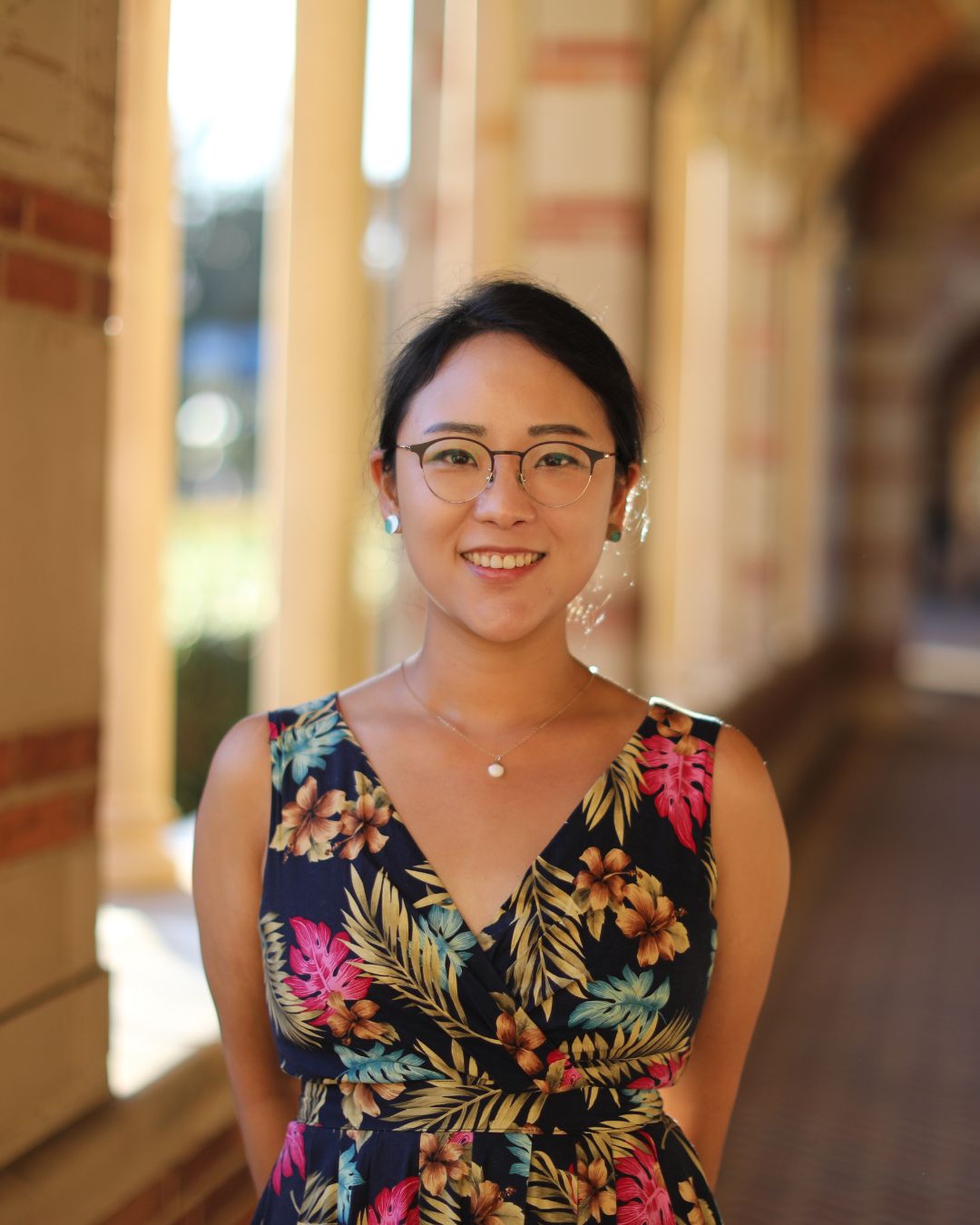
Kim’s perspective comes from a long career that spans architecture, planning, and real estate development. Trained as an architect in South Korea, she later shifted to urban planning to have a bigger impact, earning her master’s and doctoral degrees at MIT while she worked in the planning department in the city of Cambridge.
For Kim, the problem extended beyond the speed of recovery to the framework guiding it. In the aftermath of the fires, there were widespread discussions about reimagining fire-prone neighborhoods and designing them to better withstand future climate-related disasters. But as rebuilding moved forward, those conversations failed to materialize into actual, on-the-ground changes.
“We’re essentially rebuilding exactly what was there before,” she says. “We’re not realigning streets, creating meaningful fire breaks, or rethinking evacuation routes in a comprehensive way. We’re not moving away from the most vulnerable areas or increasing density in safer locations.”
For Kim, resiliency is not just about fire-resistant materials, it’s about neighborhood-scale design and coordinated planning.
“Fire resiliency is about systems,” she says. “How infrastructure works together. How people move. How communities are protected as a whole.”
Kim served on the UCLA team of experts advising the Los Angeles County Blue Ribbon Commission, which recommended creating two intergovernmental, quasi-governmental entities: one focused on rebuilding and recovery, and another on fire prevention and management. These agencies were envisioned as vehicles for coordinating across jurisdictions, pooling resources, and acting at a regional scale.
“The destruction was so massive. It presented the city and the county with a chance to think big and to think differently. Unfortunately, that didn’t happen.”
Those recommendations have not been implemented.
“The root of the problem is lack of political will and administrative capacity,” Kim says. “Neither is built to support large-scale reimagination.”
Looking ahead, Kim anticipates construction activity accelerating in years two and three, plateauing by year four, and ultimately resulting in many residents returning.
However, who returns, and how quickly, hinges on who has the coverage and capital to do so.
Kim points out the biggest differential is homeowners’ insurance. In Altadena, many families were underinsured, leaving them without the financial resources to rebuild. In the Palisades, however, demand remains so strong that land parcels are selling for prices comparable to those of homes that once stood on them, giving homeowners far more flexibility in how they recover.
“This is where inequity really shows up,” Kim says. “Two communities experience the same disaster, but their paths to recovery look very different.” Kim is careful to acknowledge the work of public agencies and the state, noting that progress has been made, albeit slowly. Despite her critiques, Kim remains cautiously optimistic. She sees strong demand among residents to return, particularly in Altadena, and believes Los Angeles will recover.
“Los Angeles is a very resilient city,” she says. “It will recover from this horrific disaster.”
The larger question, she argues, is what kind of city emerges.
“One year out, we should be asking not just how fast we’re rebuilding,” Kim says, “but who the system is working for — and who it’s leaving behind.”
As climate-driven disasters become more frequent, Kim believes those questions must move from academic discussion into actual policy change. For Los Angeles, the fires were not just a tragedy — they were a test.
Whether the city learns from it remains an open question.





We need more low income housing and multi units. No more single family homes. Feel bad for those who saved on insurance and hence were underinsured. Not the feds job to make that up