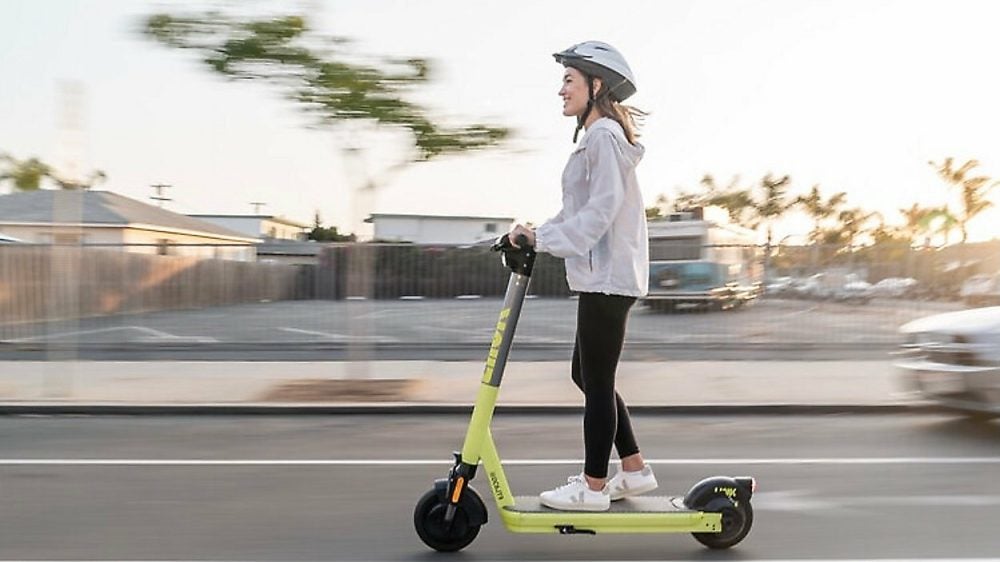
A Wired article assessing the green credentials of electric scooters cited Juan Matute, deputy director of the Institute of Transportation Studies at UCLA Luskin. Measuring the full environmental impact of e-scooters is a complicated task that must factor in how and where they’re operating, Matute said. Over an e-scooter’s lifecycle, carbon emissions come from the production of its materials and components; the manufacturing process; the shipping of the scooters to wherever they’re going to be used; the collecting, charging and redistributing of the scooters; and their disposal. To bring down their carbon footprint, some manufacturers are pursuing improvements to their equipment and operations, including developing scooters with a longer lifespan and introducing swappable batteries, which reduces the number of trips required to keep the fleets powered.

Deputy Director, UCLA Institute of Transportation Studies; Lecturer in Urban Planning
Juan researches public transit, transportation finance and governance, new mobility, and parking. He led UCLA’s work on two strategic transit...