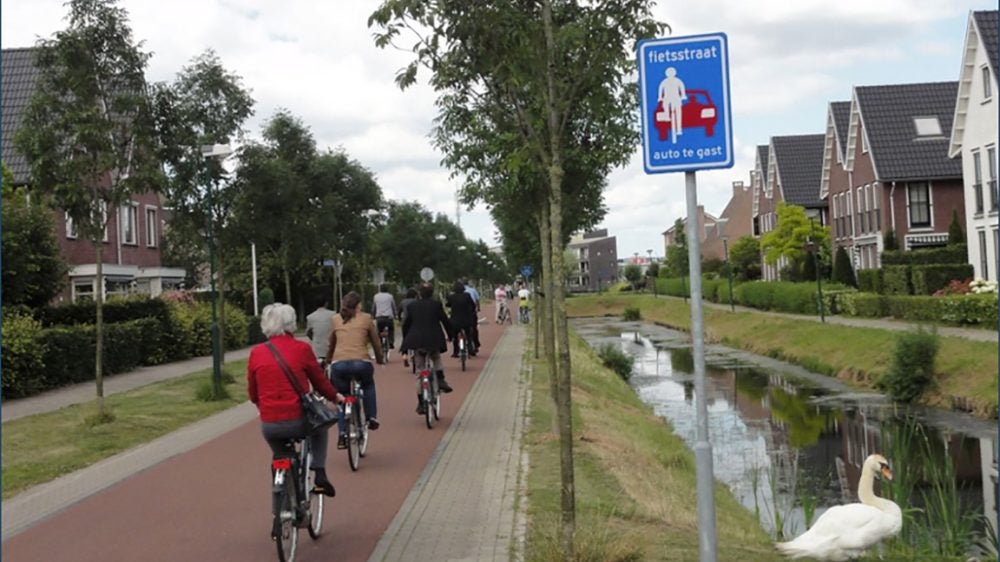
Across California, the network of freeways has far-reaching environmental and social consequences. In some places, a freeway divides a neighborhood in two, creating dead ends that force lengthy detours for pedestrians and cyclists — an outcome known as a “barrier effect” in the field of transportation planning.
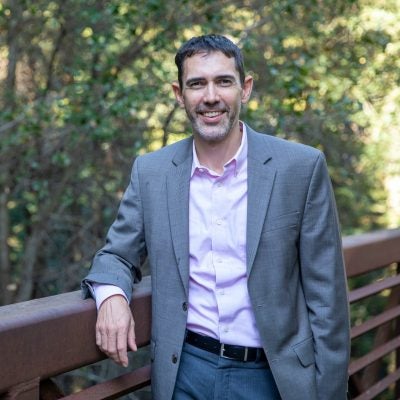
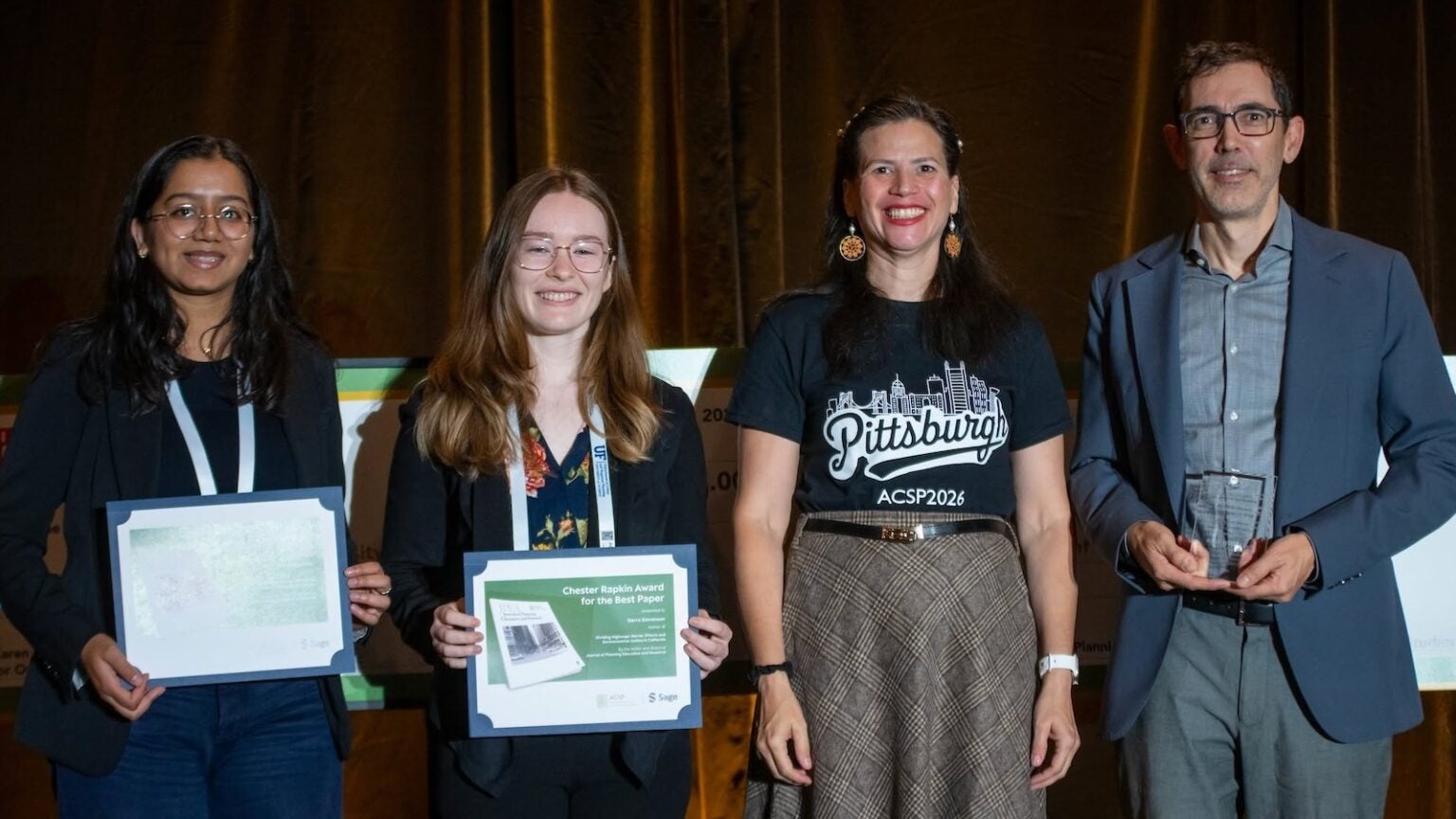
Research led by UCLA Luskin Urban Planning Professor Adam Millard-Ball that provided the first large-scale analysis of this effect has won the Chester Rapkin Award from the Association of Collegiate Schools of Planning (ACSP). The award honors the best paper in the Journal of Planning Education and Research.
“Dividing Highways: Barrier Effects and Environmental Justice in California” examined freeways across the entire state, with a particular focus on Los Angeles County. The research team — including Millard-Ball, Ben Silverstein MURP ’22, Purva Kapshikar MURP ’23, Sierra Stevenson BS ’21, and Chris Barrington-Leigh of McGill University — found that the negative consequences of freeways often fall disproportionately on communities of color.
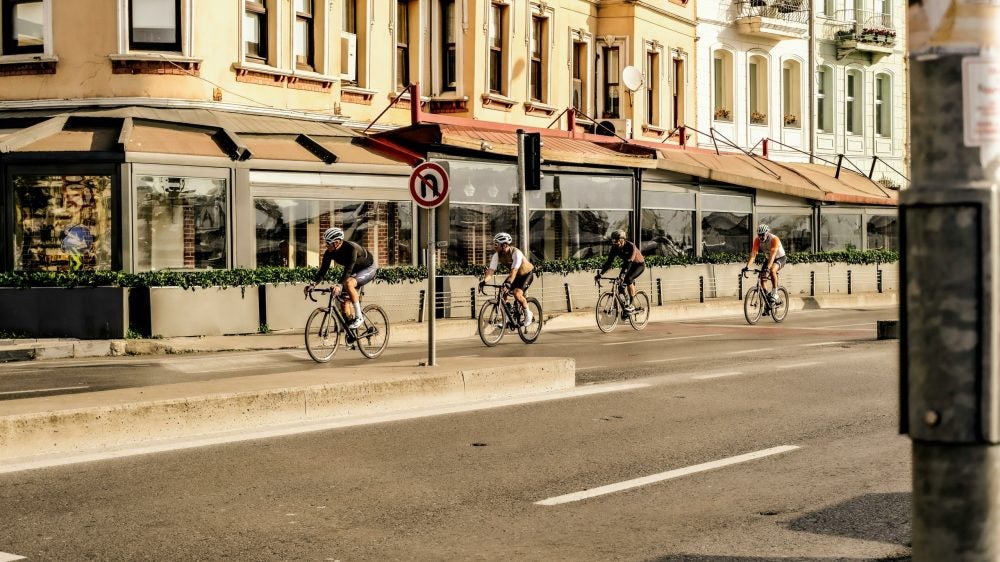
Even where pedestrian routes exist, the authors highlight their dangerous and unpleasant nature. They are often “functionally unusable” for pedestrians and cyclists, they write. Sidewalks are narrow and frequently blocked, cars drive at high speeds when entering and exiting the freeway, and large volumes of traffic are funneled onto a small number of streets that cross over the freeway.
These streets are “typically built with freeway access as the main consideration, not safety and connectivity for pedestrians and cyclists,” they write.
Millard-Ball, director of the UCLA Institute of Transportation Studies, and other members of the team accepted the Chester Rapkin Award on Oct. 10 at the ACSP’s annual conference, held in Pittsburgh.
Read more about the findings and explore maps showing how freeways divide neighborhoods in Los Angeles, the Bay Area, Sacramento and San Diego at freewayseverance.org.