Skip to content
  • Students & Alumni
    • Overview
    • Career Services
    • Alumni Relations
    • Student Support
    • Graduate Resource Library
  • News
  • Events
    • Events Calendar
    • Luskin Summit
    • Luskin Lecture Series
    • California Policy Briefing
    • Commencement
  • Students & Alumni
    • Overview
    • Career Services
    • Alumni Relations
    • Student Support
    • Graduate Resource Library
  • News
  • Events
    • Events Calendar
    • Luskin Summit
    • Luskin Lecture Series
    • California Policy Briefing
    • Commencement
Giving
  • Academics
    Departments
    • Public Policy
    • Real Estate Development
    • Social Welfare
    • Undergraduate Program
    • Urban Planning
    • Public Policy
    • Real Estate Development
    • Social Welfare
    • Undergraduate Program
    • Urban Planning
    Graduate Programs
    • Master of Public Policy (MPP)
    • Master of Real Estate Development (MRED)
    • Master of Social Welfare (MSW)
    • Master of Urban and Regional Planning (MURP)
    • PhD in Social Welfare
    • PhD in Urban Planning
    • Master of Public Policy (MPP)
    • Master of Real Estate Development (MRED)
    • Master of Social Welfare (MSW)
    • Master of Urban and Regional Planning (MURP)
    • PhD in Social Welfare
    • PhD in Urban Planning
    Undergraduate Programs
    • BA in Public Affairs
    • Minor in Urban and Regional Studies
    • Minor in Gerontology
    • Minor in Public Affairs
    • BA in Public Affairs
    • Minor in Urban and Regional Studies
    • Minor in Gerontology
    • Minor in Public Affairs
    Professional Certificates
    • Data Analytics Certificate
    • Data Analytics Certificate
  • Admissions
    Program Specific Admissions
    • Public Policy
    • Real Estate Development
    • Social Welfare
    • Urban Planning
    • Undergraduate Program
    • Public Policy
    • Real Estate Development
    • Social Welfare
    • Urban Planning
    • Undergraduate Program
  • Faculty
    Our Faculty
    • All Faculty
    • Public Policy
    • Real Estate Development
    • Social Welfare
    • Urban Planning
    • All Faculty
    • Public Policy
    • Real Estate Development
    • Social Welfare
    • Urban Planning
    Leadership
    • Our Dean
    • Board of Advisors
    • Faculty Executive Committee
    • Our Dean
    • Board of Advisors
    • Faculty Executive Committee
  • Research Centers
    • Agile Visual Analytics Lab (AVAL):

      Uses data visualization to improve decision-making for family and child services.

    • Berggruen Governance Index

      Evaluates the quality of political governance and democracy worldwide.

    • Center for Neighborhood Knowledge (CNK)

      Specializes in spatial analysis of socioeconomic disparities in neighborhoods.

    • Center for Policy Research on Aging (CPRA)

      Explores the societal and policy implications of an aging population.

    • Agile Visual Analytics Lab (AVAL):

      Uses data visualization to improve decision-making for family and child services.

    • Berggruen Governance Index

      Evaluates the quality of political governance and democracy worldwide.

    • Center for Neighborhood Knowledge (CNK)

      Specializes in spatial analysis of socioeconomic disparities in neighborhoods.

    • Center for Policy Research on Aging (CPRA)

      Explores the societal and policy implications of an aging population.

    • Institute of Transportation Studies (ITS)

      A national leader in transportation policy and mobility research.

    • Institute on Inequality and Democracy

      Advances scholarship addressing displacement and dispossession in Los Angeles and beyond.

    • Latin American Cities Initiative

      Connects urban planning and policy networks across the Americas.

    • Latino Policy & Politics Institute (LPPI)

      Addresses policy challenges facing Latinos and communities of color.

    • Institute of Transportation Studies (ITS)

      A national leader in transportation policy and mobility research.

    • Institute on Inequality and Democracy

      Advances scholarship addressing displacement and dispossession in Los Angeles and beyond.

    • Latin American Cities Initiative

      Connects urban planning and policy networks across the Americas.

    • Latino Policy & Politics Institute (LPPI)

      Addresses policy challenges facing Latinos and communities of color.

    • Lewis Center for Regional Policy Studies

      Researches housing, transportation, and economic development in Southern California.

    • Los Angeles Education Research Institute (LAERI)

      Collaborates with schools to improve educational outcomes for L.A. students.

    • Luskin Center for Innovation (LCI)

      Focuses on environmental policy, clean energy, and climate justice.

    • UCLA Voting Rights Project

      The flagship project for voting rights litigation and policy research.

    • Lewis Center for Regional Policy Studies

      Researches housing, transportation, and economic development in Southern California.

    • Los Angeles Education Research Institute (LAERI)

      Collaborates with schools to improve educational outcomes for L.A. students.

    • Luskin Center for Innovation (LCI)

      Focuses on environmental policy, clean energy, and climate justice.

    • UCLA Voting Rights Project

      The flagship project for voting rights litigation and policy research.

    All Research Centers
  • Outcomes
Home / After January wildfires, Luskin students help one vulnerable community build resilience

After January wildfires, Luskin students help one vulnerable community build resilience

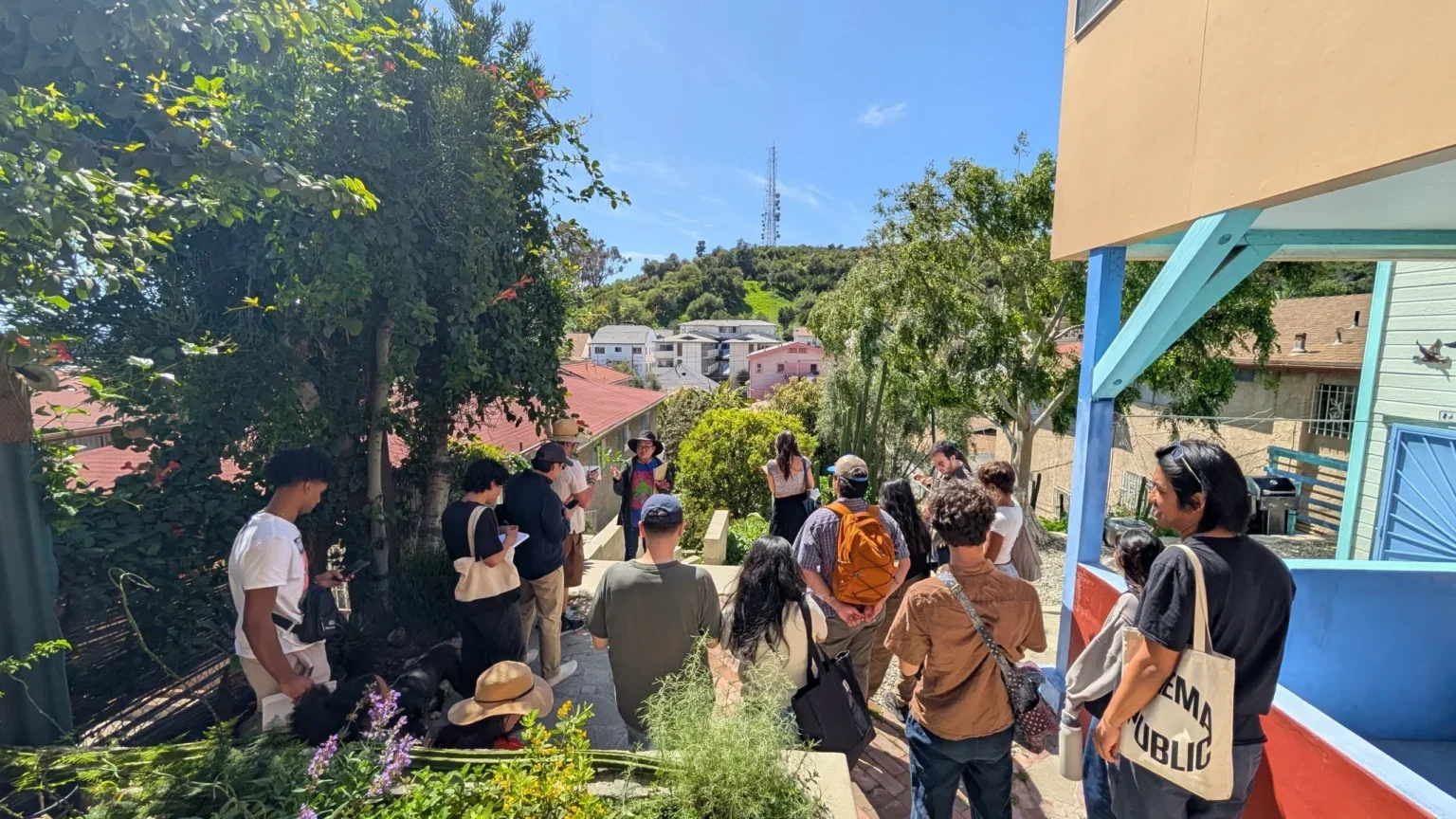
Urban planning students on a tour of the Solano Canyon neighborhoods observing fire hazards, overgrown grasses and invasive eucalyptus trees.|UCLA urban planning students explore Solano Canyon during a field visit for a class studying wildfire resilience and community planning.

Posted in

  • For Students, Luskin's Latest Blog, School of Public Affairs, Urban Planning

Published on

  • September 15, 2025
  • l.a. fires, solano canyon, Urban Planning, wildfires

Share this Article

by Joey Waldinger

This spring, as Los Angeles recovered from wildfires that devastated Altadena and Pacific Palisades, a class of UCLA urban planning graduate students was learning how to help vulnerable neighborhoods prepare for the next one.

In assistant professor Minjee Kim’s Site Planning Studio, students spent the quarter immersed in Solano Canyon, repeatedly visiting the hillside community neighboring Dodger Stadium and meeting with residents to develop practical strategies for wildfire resilience.

The class was a crash-course in the realities of urban planning — unexpected challenges, stakeholder relationships and tight deadlines. But these challenges, Kim said, pushed everyone to grow, creating a deeply fulfilling educational experience and laying the foundation for further research on regional wildfire resilience.

“Working with actual stakeholders who had land ownership, resources or authority over the areas we were proposing ideas for — that level of real-worldness wasn’t something I envisioned,” Kim said. “It made the class really challenging but at the same time really rewarding. I’m so grateful to the entire class for being extremely passionate and dedicated about the project, and to the people of Solano Canyon.”

A service to Los Angeles

Kim was still planning her studio curriculum when the fires broke out in January.

“It seemed like a disservice to the community and the broader L.A. region if I didn’t address the wildfires in some way,” she said.

Not wanting to burden recently affected communities, Kim began researching other communities vulnerable to potential fire events. Through the city of L.A.’s Urban Design Studio, she connected with community organizers in Solano Canyon who were already working to reduce wildfire risks.

Sara Harris Ben-Ari, a co-founder of community group 1866 in Historic Solano Canyon, has lived in Solano Canyon since 2000. Fires have sparked in the neighborhood almost monthly for at least a decade, and Harris Ben-Ari and her neighbors have been working to reduce fire risks for nearly as long. But after the Eaton Fire — when burning embers flew into her yard— she pursued solutions with more urgency.

When Kim reached out to discuss a collaboration, Harris Ben-Ari said it felt like a perfect match.

“It was a godsend to have a group of really smart young students who are working at that level and have that level of training, attention … who really want to learn about landscape design and resiliency and geography as it applies to public planning and policy,” she said.

Planning for equitable fire resilience

Nestled within Elysian Park, vibrant Solano Canyon is the last remaining part of Chavez Ravine, a historic neighborhood razed in 1959 to clear space for a massive public housing project known as Elysian Park Heights, which never materialized, and later Dodger Stadium. Solano Canyon is located in one of the state’s highest fire severity zones, though its density and relative affordability are unique among most communities included in fire resilience discourse.

“I thought this would be a great opportunity for the students to work in a diverse and urban environment that is very different from affluent neighborhoods that already have resources to make their communities more fire resilient,” Kim said.

Students took this opportunity head on. During the first Saturday of the quarter, Harris Ben-Ari and fellow 1866 co-founder Lydia Moreno led the class on a neighborhood tour, pointing out fire hazards such as wooden infrastructure, overgrown grasses and invasive eucalyptus trees. Kim urged the students to revisit the area individually throughout the quarter.

Micah Wilcox, a second-year master’s student, said that as the quarter progressed, the class increasingly resembled a project that professional urban planners would encounter in the field. Working in teams, students presented weekly updates on their projects, honed visual and public-speaking skills, and learned to work as a team under tight deadlines.

“To just get dropped into a group and say, ‘Hey, you have a deadline, you guys need to put this together’ — that’s a foundational skill,” Wilcox said. “That’s what we do in the real world.”

Building community ties

UCLA students present maps and findings at various stations in a room. Credit: Minjee Kim

Community engagement is another foundation of urban planning that was baked into the class. And in the real world, as Kim’s class learned, community engagement is not always easy.

For the midterm, students invited residents to a presentation analyzing the neighborhood’s wildfire risks and vulnerabilities. Presenting to community members instead of engaging with them sparked tension, while concerns about fires started by the neighborhood’s unhoused population complicated things further.

“We did not realize that [the living quarters of unhoused people] was a major source of fire events in Solano Canyon, and when the community members started bringing up this issue, we didn’t have a good answer,” Kim said.

Kim describes the midterm as a turning point in the class. By the final, the class shifted to a design charette format, where the students created interactive stations that invited participation and input from the residents. She added that students steadfastly advocated for community members to work with their unhoused neighbors in reducing fire ignitions, instead of trying to “sweep away the issue.”

“It wasn’t us presenting information to them. It was more like we are learning from you, and here are some of the ideas and thoughts we can share with you,” Kim said. “So it was very much a cooperative, positive conversation.”

Overall, though, Harris Ben-Ari said the community was impressed by the students’ professionalism and thoughtfulness. The students’ work, she said, stood in stark contrast to what Solano Canyon residents often experience from officials — just holding obligatory meetings without really considering community needs.

“Everybody really felt like they were heard,” she said. “And if they didn’t, they felt like they could explain how they would be better heard and understood.”

What’s next?

Most of Kim’s research focuses on zoning and land use, but her studio class touched off an ongoing project on wildfire resilience. Over the summer, Kim has been working with two graduate students on a report summarizing the class’s recommendations and proposals, and illustrating how Solano Canyon can serve as a model for similarly positioned communities.

“It’s going to be a case study of Solano Canyon, but framed in a way that is helpful for the broader L.A. region in making hillside communities more fire resilient,” she said.

For Harris Ben-Ari and her neighbors, the students’ maps, research and other resources will help them apply for grant funding and push for more support from the city.

“It’s one more very solid tool in the toolbox.”
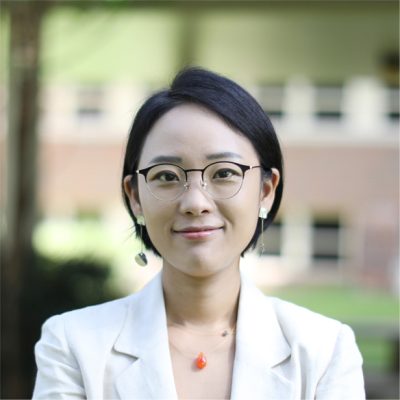
Faculty Mentioned in this Article
2023-mk-small-2

Minjee Kim

Assistant Professor of Urban Planning

Minjee Kim is an Assistant Professor in the Urban Planning department at the UCLA Luskin School of Public Affairs. Her...

Related Articles

|||

UCLA Site Planning Studio Reimagines Santa Monica Airport and Business Park Redevelopment

July 14, 2026
Luskin's Latest Blog
Students collaborate with city officials, developers, and community groups to explore future land use and open...
Read More
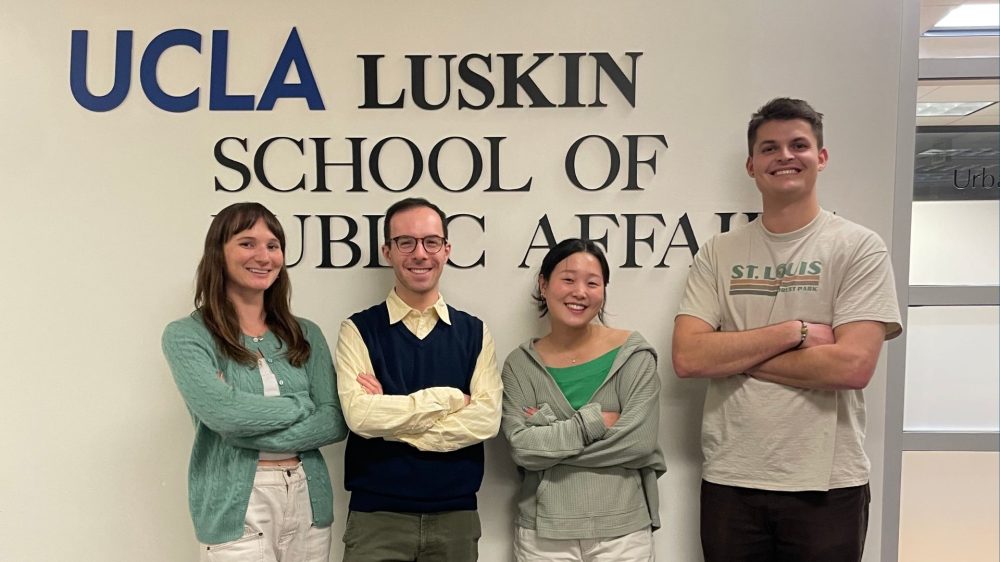
Luskin Urban Planning Students Earn Honorable Mention in National APA Planning Competition|Urban planning graduate students from left to right: Sophie Craypo, Micah Wilcox, Elizabeth Shin, Gus Grunau.|Greenway Neighborhood Renaissance Collaborative

Luskin Students Earn Honorable Mention in National APA Planning Competition

June 17, 2026
Luskin's Latest Blog
UCLA Luskin MURP students received national recognition for an equitable Detroit greenway design project led by...
Read More
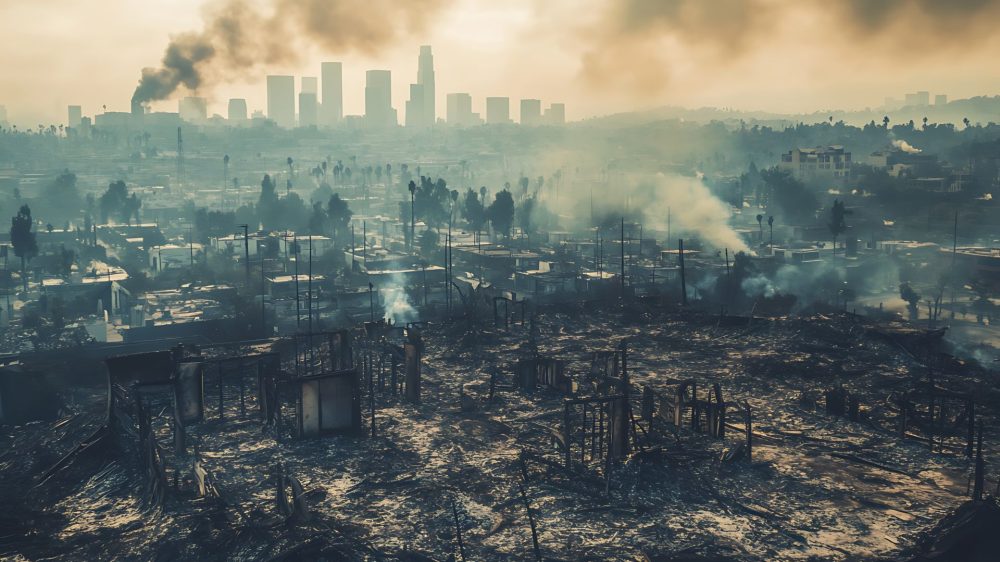
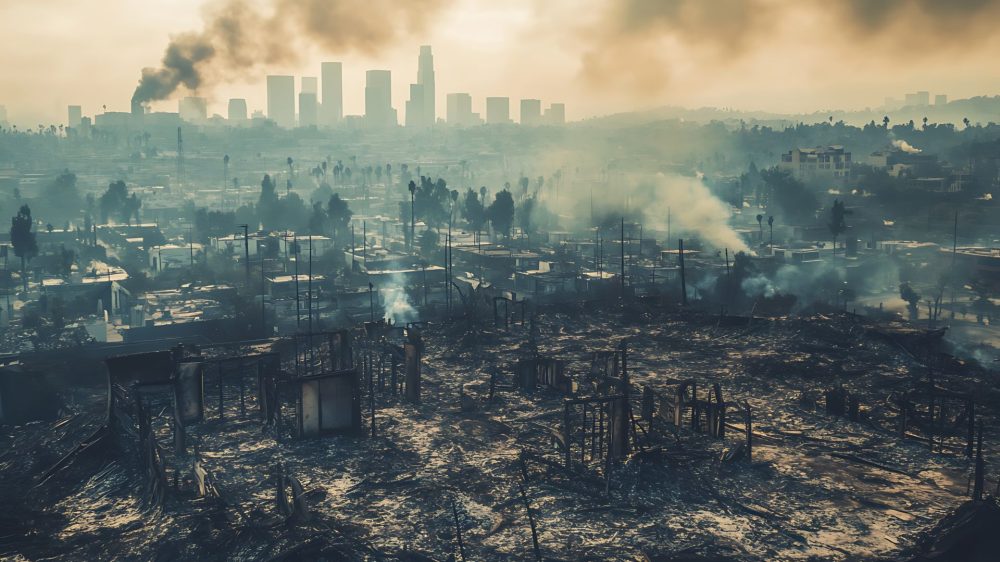
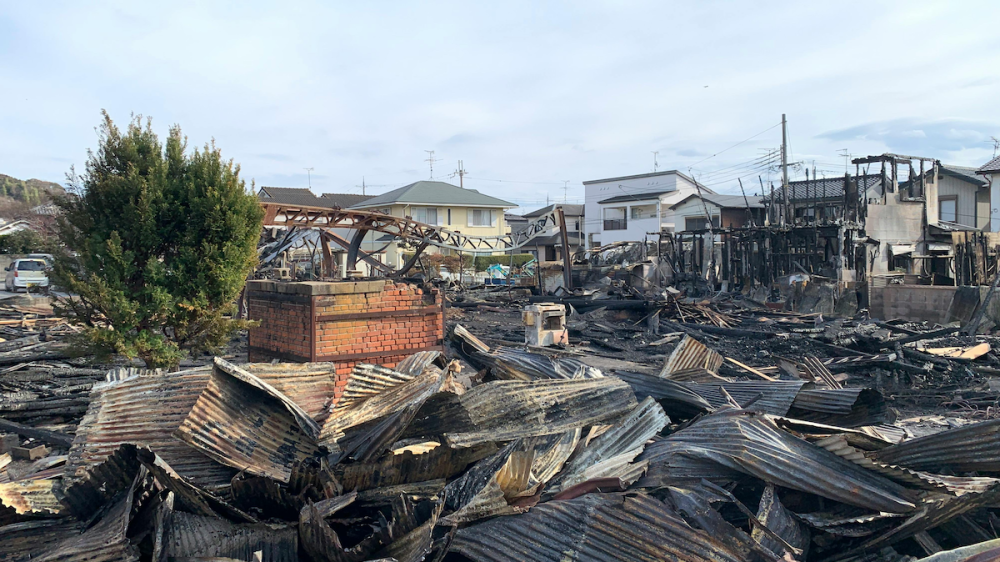
Aerial shot of an entire community burned to the ground with the cityscape of los angeles in the background, there is smoke and ash and soot.|Headshot of Professor Minjee Kim

One Year After the Fires, What Comes Next?

January 28, 2026
Luskin's Latest Blog
Professor Minjee Kim examines inequities in Los Angeles’ rebuilding, emphasizing resilience, planning, and who benefits from...
Read More
Photo of burned up homes and smoke billowing in the distance with city landscape in the background.|View of the eaton fire from koreatown, los angeles

Kim on Fire Recovery in Los Angeles

January 13, 2026
Luskin in the News
The Palisades and Eaton fires in January 2025 destroyed about 13,000 homes. A year later, only...
Read More
Kim In the News

Kim on the Rebuilding Efforts After the Palisades Fire

December 19, 2025
Luskin in the News
Assistant Professor of Urban Planning Minjee Kim shares her insights on the rebuilding efforts after the...
Read More
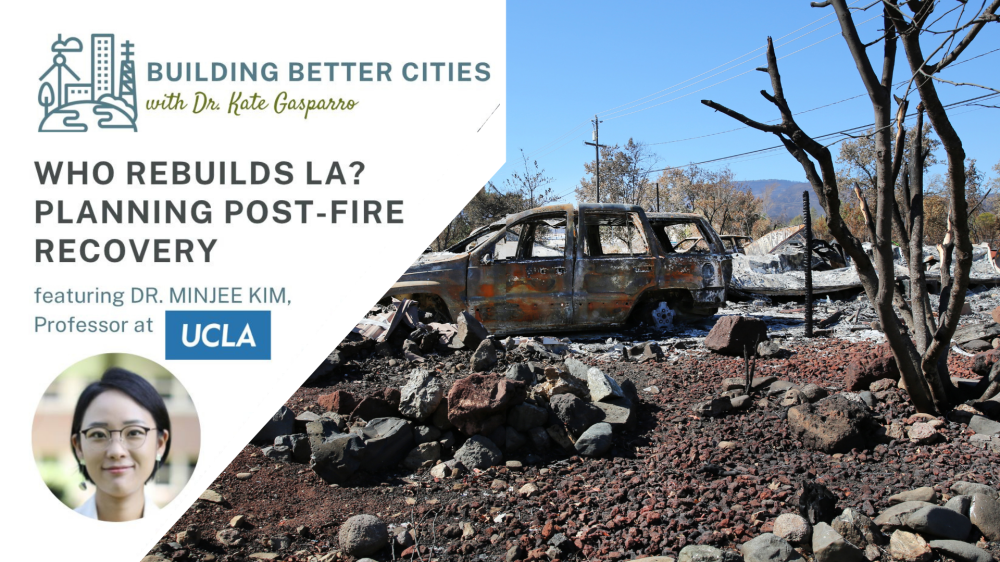
Headshot of Minjee Kim professor of urban planning beneath the Building Better Cities logo in the top left corder over a photo of a home burned down with the remains of a charred and burned car in the driveway.|Building Better cities podcast logo and a headshot of Dr. Minjee Kim overlaid on a photo of a house on fire.

Rebuilding for Resilience: Minjee Kim on Post-Fire Urban Planning

July 22, 2025
Climate Change

Dr. Minjee Kim, assistant professor of urban planning at UCLA Luskin, was featured on the Building...

Read More
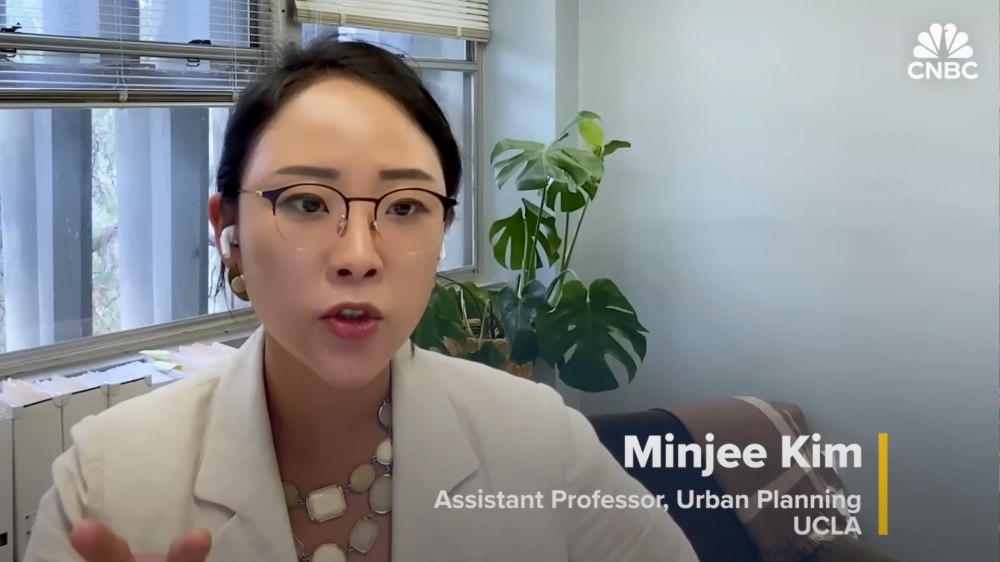
Dr. Minjee Kim sits in her office being interviewed via Zoom for a CNBC feature on the rise of gated communities in the U.S.

Minjee Kim Weighs In on the Rise of Gated Communities in the U.S.

July 21, 2025
For Faculty
In a recent CNBC feature, urban planning expert Prof. Kim discusses the social and economic forces...
Read More
Learn more about UCLA Luskin

Find contact information and get answers to your questions.

Contact Us

Public Affairs Building
337 Charles E. Young Drive East
Los Angeles, California 90095

Linkedin Youtube Instagram Facebook X-twitter
Campus Resources
  • Map, Directions, Parking
  • Directory
  • Academic Calendar
  • Careers
  • Map, Directions, Parking
  • Directory
  • Academic Calendar
  • Careers
School Resources
  • About
  • Our Dean
  • Administration
  • Board of Advisors
  • Contact Us
  • Visit Us
  • About
  • Our Dean
  • Administration
  • Board of Advisors
  • Contact Us
  • Visit Us
© 2026 Regents of the University of California
  • Emergency
  • Accessibilty
  • Privacy & Terms of Use
  • Emergency
  • Accessibilty
  • Privacy & Terms of Use
Facebook Instagram Linkedin X-twitter Youtube Threads
Academics
Departments
  • Public Policy
  • Real Estate Development
  • Social Welfare
  • Undergraduate Program
  • Urban Planning
  • Public Policy
  • Real Estate Development
  • Social Welfare
  • Undergraduate Program
  • Urban Planning
Graduate Programs
  • Master of Public Policy (MPP)
  • Master of Real Estate Development (MRED)
  • Master of Social Welfare (MSW)
  • Master of Urban and Regional Planning (MURP)
  • PhD in Social Welfare
  • PhD in Urban Planning
  • Master of Public Policy (MPP)
  • Master of Real Estate Development (MRED)
  • Master of Social Welfare (MSW)
  • Master of Urban and Regional Planning (MURP)
  • PhD in Social Welfare
  • PhD in Urban Planning
Undergraduate Programs
  • BA in Public Affairs
  • Minor in Urban and Regional Studies
  • Minor in Gerontology
  • Minor in Public Affairs
  • BA in Public Affairs
  • Minor in Urban and Regional Studies
  • Minor in Gerontology
  • Minor in Public Affairs
Professional Certificates
  • Data Analytics Certificate
  • Data Analytics Certificate
Admissions
Program Specific Admissions
  • Public Policy
  • Real Estate Development
  • Social Welfare
  • Urban Planning
  • Undergraduate Program
  • Public Policy
  • Real Estate Development
  • Social Welfare
  • Urban Planning
  • Undergraduate Program
Faculty
Our Faculty
  • All Faculty
  • Public Policy
  • Real Estate Development
  • Social Welfare
  • Urban Planning
  • All Faculty
  • Public Policy
  • Real Estate Development
  • Social Welfare
  • Urban Planning
Leadership
  • Our Dean
  • Board of Advisors
  • Faculty Executive Committee
  • Our Dean
  • Board of Advisors
  • Faculty Executive Committee
Research Centers
  • Agile Visual Analytics Lab (AVAL):

    Uses data visualization to improve decision-making for family and child services.

  • Berggruen Governance Index

    Evaluates the quality of political governance and democracy worldwide.

  • Center for Neighborhood Knowledge (CNK)

    Specializes in spatial analysis of socioeconomic disparities in neighborhoods.

  • Center for Policy Research on Aging (CPRA)

    Explores the societal and policy implications of an aging population.

  • Agile Visual Analytics Lab (AVAL):

    Uses data visualization to improve decision-making for family and child services.

  • Berggruen Governance Index

    Evaluates the quality of political governance and democracy worldwide.

  • Center for Neighborhood Knowledge (CNK)

    Specializes in spatial analysis of socioeconomic disparities in neighborhoods.

  • Center for Policy Research on Aging (CPRA)

    Explores the societal and policy implications of an aging population.

  • Institute of Transportation Studies (ITS)

    A national leader in transportation policy and mobility research.

  • Institute on Inequality and Democracy

    Advances scholarship addressing displacement and dispossession in Los Angeles and beyond.

  • Latin American Cities Initiative

    Connects urban planning and policy networks across the Americas.

  • Latino Policy & Politics Institute (LPPI)

    Addresses policy challenges facing Latinos and communities of color.

  • Institute of Transportation Studies (ITS)

    A national leader in transportation policy and mobility research.

  • Institute on Inequality and Democracy

    Advances scholarship addressing displacement and dispossession in Los Angeles and beyond.

  • Latin American Cities Initiative

    Connects urban planning and policy networks across the Americas.

  • Latino Policy & Politics Institute (LPPI)

    Addresses policy challenges facing Latinos and communities of color.

  • Lewis Center for Regional Policy Studies

    Researches housing, transportation, and economic development in Southern California.

  • Los Angeles Education Research Institute (LAERI)

    Collaborates with schools to improve educational outcomes for L.A. students.

  • Luskin Center for Innovation (LCI)

    Focuses on environmental policy, clean energy, and climate justice.

  • UCLA Voting Rights Project

    The flagship project for voting rights litigation and policy research.

  • Lewis Center for Regional Policy Studies

    Researches housing, transportation, and economic development in Southern California.

  • Los Angeles Education Research Institute (LAERI)

    Collaborates with schools to improve educational outcomes for L.A. students.

  • Luskin Center for Innovation (LCI)

    Focuses on environmental policy, clean energy, and climate justice.

  • UCLA Voting Rights Project

    The flagship project for voting rights litigation and policy research.

All Research Centers
Outcomes
Common Search Terms

Results will show as you type.