Skip to content
  • Students & Alumni
    • Overview
    • Career Services
    • Alumni Relations
    • Student Support
    • Graduate Resource Library
  • News
  • Events
    • Events Calendar
    • Luskin Summit
    • Luskin Lecture Series
    • California Policy Briefing
    • Commencement
  • Students & Alumni
    • Overview
    • Career Services
    • Alumni Relations
    • Student Support
    • Graduate Resource Library
  • News
  • Events
    • Events Calendar
    • Luskin Summit
    • Luskin Lecture Series
    • California Policy Briefing
    • Commencement
Giving
  • Academics
    Departments
    • Public Policy
    • Real Estate Development
    • Social Welfare
    • Undergraduate Program
    • Urban Planning
    • Public Policy
    • Real Estate Development
    • Social Welfare
    • Undergraduate Program
    • Urban Planning
    Graduate Programs
    • Master of Public Policy (MPP)
    • Master of Real Estate Development (MRED)
    • Master of Social Welfare (MSW)
    • Master of Urban and Regional Planning (MURP)
    • PhD in Social Welfare
    • PhD in Urban Planning
    • Master of Public Policy (MPP)
    • Master of Real Estate Development (MRED)
    • Master of Social Welfare (MSW)
    • Master of Urban and Regional Planning (MURP)
    • PhD in Social Welfare
    • PhD in Urban Planning
    Undergraduate Programs
    • BA in Public Affairs
    • Minor in Urban and Regional Studies
    • Minor in Gerontology
    • Minor in Public Affairs
    • BA in Public Affairs
    • Minor in Urban and Regional Studies
    • Minor in Gerontology
    • Minor in Public Affairs
    Professional Certificates
    • Data Analytics Certificate
    • Data Analytics Certificate
  • Admissions
    Program Specific Admissions
    • Public Policy
    • Real Estate Development
    • Social Welfare
    • Urban Planning
    • Undergraduate Program
    • Public Policy
    • Real Estate Development
    • Social Welfare
    • Urban Planning
    • Undergraduate Program
  • Faculty
    Our Faculty
    • All Faculty
    • Public Policy
    • Real Estate Development
    • Social Welfare
    • Urban Planning
    • All Faculty
    • Public Policy
    • Real Estate Development
    • Social Welfare
    • Urban Planning
    Leadership
    • Our Dean
    • Board of Advisors
    • Faculty Executive Committee
    • Our Dean
    • Board of Advisors
    • Faculty Executive Committee
  • Research Centers
    • Agile Visual Analytics Lab (AVAL):

      Uses data visualization to improve decision-making for family and child services.

    • Berggruen Governance Index

      Evaluates the quality of political governance and democracy worldwide.

    • Center for Neighborhood Knowledge (CNK)

      Specializes in spatial analysis of socioeconomic disparities in neighborhoods.

    • Center for Policy Research on Aging (CPRA)

      Explores the societal and policy implications of an aging population.

    • Agile Visual Analytics Lab (AVAL):

      Uses data visualization to improve decision-making for family and child services.

    • Berggruen Governance Index

      Evaluates the quality of political governance and democracy worldwide.

    • Center for Neighborhood Knowledge (CNK)

      Specializes in spatial analysis of socioeconomic disparities in neighborhoods.

    • Center for Policy Research on Aging (CPRA)

      Explores the societal and policy implications of an aging population.

    • Institute of Transportation Studies (ITS)

      A national leader in transportation policy and mobility research.

    • Institute on Inequality and Democracy

      Advances scholarship addressing displacement and dispossession in Los Angeles and beyond.

    • Latin American Cities Initiative

      Connects urban planning and policy networks across the Americas.

    • Latino Policy & Politics Institute (LPPI)

      Addresses policy challenges facing Latinos and communities of color.

    • Institute of Transportation Studies (ITS)

      A national leader in transportation policy and mobility research.

    • Institute on Inequality and Democracy

      Advances scholarship addressing displacement and dispossession in Los Angeles and beyond.

    • Latin American Cities Initiative

      Connects urban planning and policy networks across the Americas.

    • Latino Policy & Politics Institute (LPPI)

      Addresses policy challenges facing Latinos and communities of color.

    • Lewis Center for Regional Policy Studies

      Researches housing, transportation, and economic development in Southern California.

    • Los Angeles Education Research Institute (LAERI)

      Collaborates with schools to improve educational outcomes for L.A. students.

    • Luskin Center for Innovation (LCI)

      Focuses on environmental policy, clean energy, and climate justice.

    • UCLA Voting Rights Project

      The flagship project for voting rights litigation and policy research.

    • Lewis Center for Regional Policy Studies

      Researches housing, transportation, and economic development in Southern California.

    • Los Angeles Education Research Institute (LAERI)

      Collaborates with schools to improve educational outcomes for L.A. students.

    • Luskin Center for Innovation (LCI)

      Focuses on environmental policy, clean energy, and climate justice.

    • UCLA Voting Rights Project

      The flagship project for voting rights litigation and policy research.

    All Research Centers
  • Outcomes
Home / One Year After the Fires, What Comes Next?

One Year After the Fires, What Comes Next?

Professor Minjee Kim on Rebuilding Los Angeles for Equity and Resilience
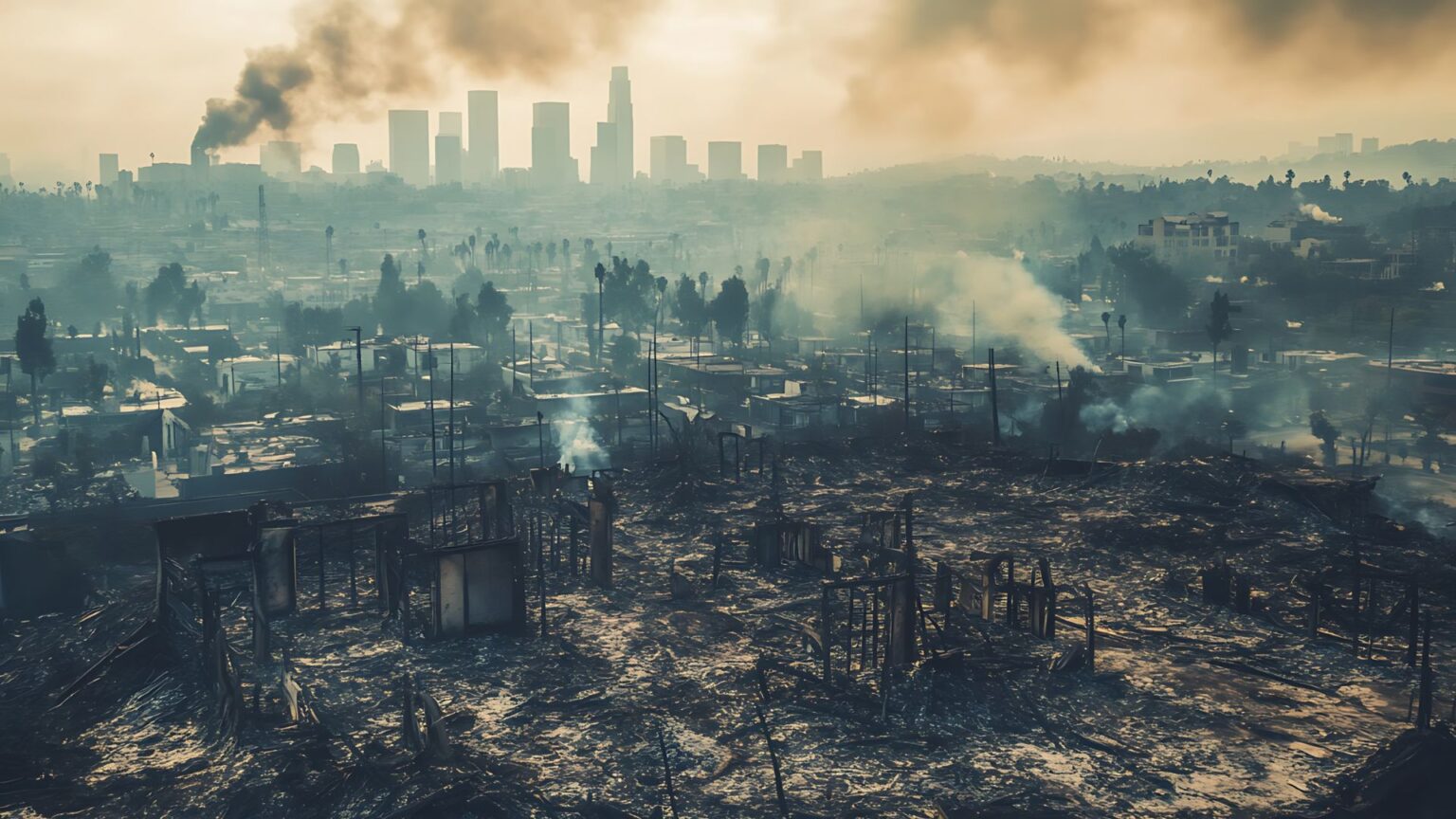
Aerial shot of an entire community burned to the ground with the cityscape of los angeles in the background, there is smoke and ash and soot.|Headshot of Professor Minjee Kim

Posted in

  • Luskin's Latest Blog, School of Public Affairs

Published on

  • January 28, 2026
  • Eaton Fire, fire recovery, Los Angeles, Los Angeles fires, Pacific Palisades, Palisades fire, rebuilding

Share this Article

by Peaches Chung

One year after the Palisades and Eaton fires, the physical damage still remains — empty lots, foundations without homes, quiet neighborhoods waiting to return. For Minjee Kim, assistant professor of urban planning at UCLA, the devastating wildfires presented a rare chance to rethink Los Angeles’ most fire-prone areas, a chance she says, that was largely missed.

“The destruction was so massive,” Kim says. “It presented the city and the county with a chance to think big and to think differently. Unfortunately, that didn’t happen.”
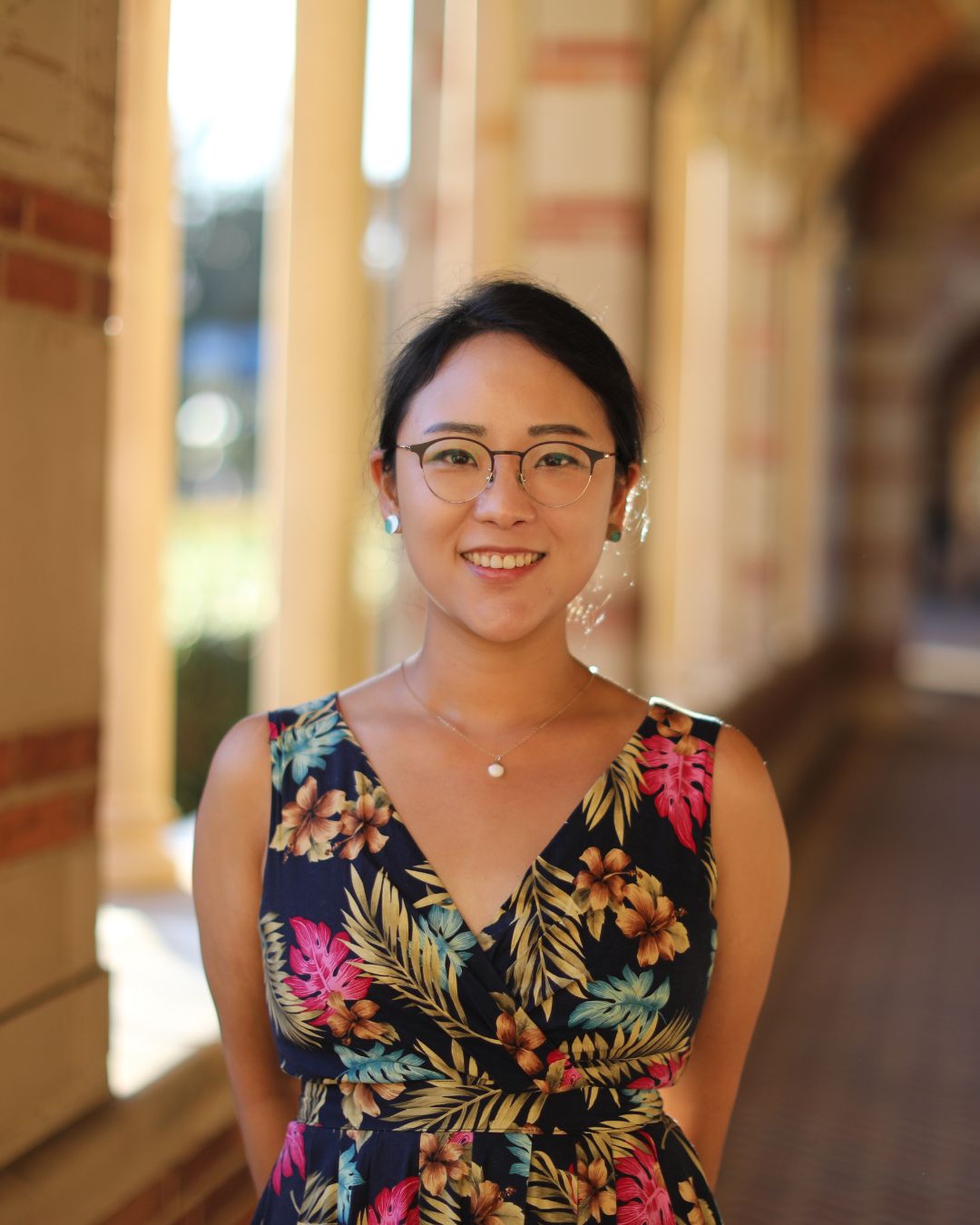
Headshot of Professor Minjee Kim
Professor Minjee Kim

Kim’s perspective comes from a long career that spans architecture, planning, and real estate development. Trained as an architect in South Korea, she later shifted to urban planning to have a bigger impact, earning her master’s and doctoral degrees at MIT while she worked in the planning department in the city of Cambridge.

For Kim, the problem extended beyond the speed of recovery to the framework guiding it. In the aftermath of the fires, there were widespread discussions about reimagining fire-prone neighborhoods and designing them to better withstand future climate-related disasters. But as rebuilding moved forward, those conversations failed to materialize into actual, on-the-ground changes.

“We’re essentially rebuilding exactly what was there before,” she says. “We’re not realigning streets, creating meaningful fire breaks, or rethinking evacuation routes in a comprehensive way. We’re not moving away from the most vulnerable areas or increasing density in safer locations.”

For Kim, resiliency is not just about fire-resistant materials, it’s about neighborhood-scale design and coordinated planning.

“Fire resiliency is about systems,” she says. “How infrastructure works together. How people move. How communities are protected as a whole.”

Kim served on the UCLA team of experts advising the Los Angeles County Blue Ribbon Commission, which recommended creating two intergovernmental, quasi-governmental entities: one focused on rebuilding and recovery, and another on fire prevention and management. These agencies were envisioned as vehicles for coordinating across jurisdictions, pooling resources, and acting at a regional scale.

[perfectpullquote align=”left” bordertop=”false” cite=”” link=”” color=”” class=”” size=””]“The destruction was so massive. It presented the city and the county with a chance to think big and to think differently. Unfortunately, that didn’t happen.”[/perfectpullquote]

Those recommendations have not been implemented.

“The root of the problem is lack of political will and administrative capacity,” Kim says. “Neither is built to support large-scale reimagination.”

Looking ahead, Kim anticipates construction activity accelerating in years two and three, plateauing by year four, and ultimately resulting in many residents returning.

However, who returns, and how quickly, hinges on who has the coverage and capital to do so.

Kim points out the biggest differential is homeowners’ insurance. In Altadena, many families were underinsured, leaving them without the financial resources to rebuild. In the Palisades, however, demand remains so strong that land parcels are selling for prices comparable to those of homes that once stood on them, giving homeowners far more flexibility in how they recover.

“This is where inequity really shows up,” Kim says. “Two communities experience the same disaster, but their paths to recovery look very different.” Kim is careful to acknowledge the work of public agencies and the state, noting that progress has been made, albeit slowly. Despite her critiques, Kim remains cautiously optimistic. She sees strong demand among residents to return, particularly in Altadena, and believes Los Angeles will recover.

“Los Angeles is a very resilient city,” she says. “It will recover from this horrific disaster.”

The larger question, she argues, is what kind of city emerges.

“One year out, we should be asking not just how fast we’re rebuilding,” Kim says, “but who the system is working for — and who it’s leaving behind.”

As climate-driven disasters become more frequent, Kim believes those questions must move from academic discussion into actual policy change.  For Los Angeles, the fires were not just a tragedy — they were a test.

Whether the city learns from it remains an open question.
Faculty Mentioned in this Article
2023-mk-small-2

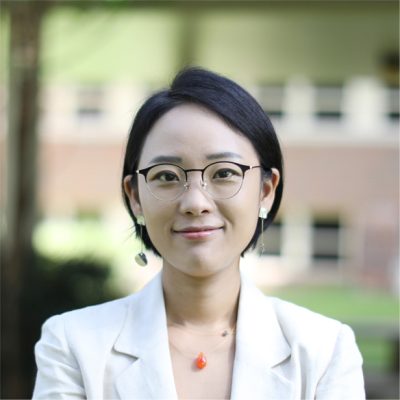
Minjee Kim

Assistant Professor of Urban Planning

Minjee Kim is an Assistant Professor in the Urban Planning department at the UCLA Luskin School of Public Affairs. Her...

Related Articles

|||

UCLA Site Planning Studio Reimagines Santa Monica Airport and Business Park Redevelopment

July 14, 2026
Luskin's Latest Blog
Students collaborate with city officials, developers, and community groups to explore future land use and open...
Read More
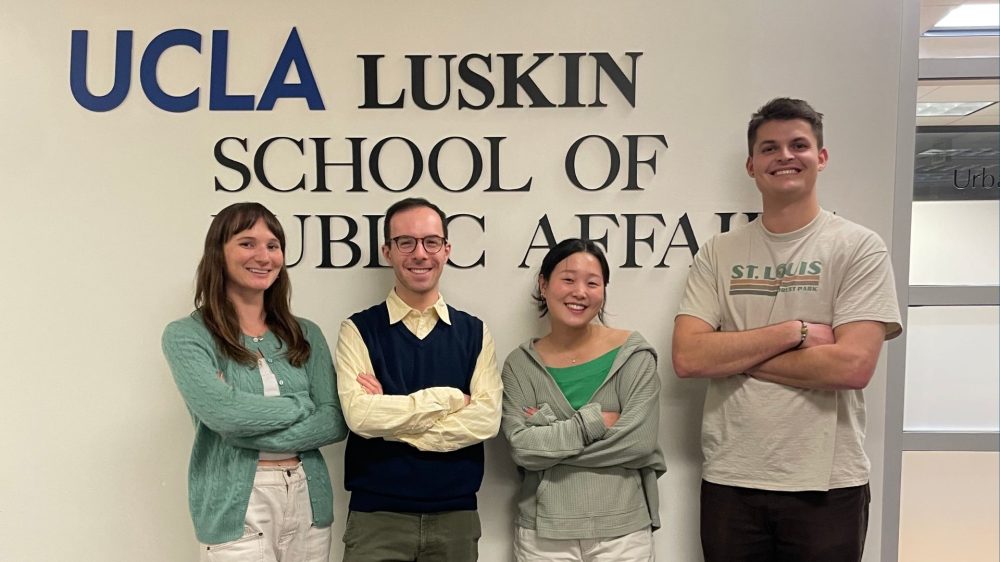
Luskin Urban Planning Students Earn Honorable Mention in National APA Planning Competition|Urban planning graduate students from left to right: Sophie Craypo, Micah Wilcox, Elizabeth Shin, Gus Grunau.|Greenway Neighborhood Renaissance Collaborative

Luskin Students Earn Honorable Mention in National APA Planning Competition

June 17, 2026
Luskin's Latest Blog
UCLA Luskin MURP students received national recognition for an equitable Detroit greenway design project led by...
Read More
Photo of burned up homes and smoke billowing in the distance with city landscape in the background.|View of the eaton fire from koreatown, los angeles

Kim on Fire Recovery in Los Angeles

January 13, 2026
Luskin in the News
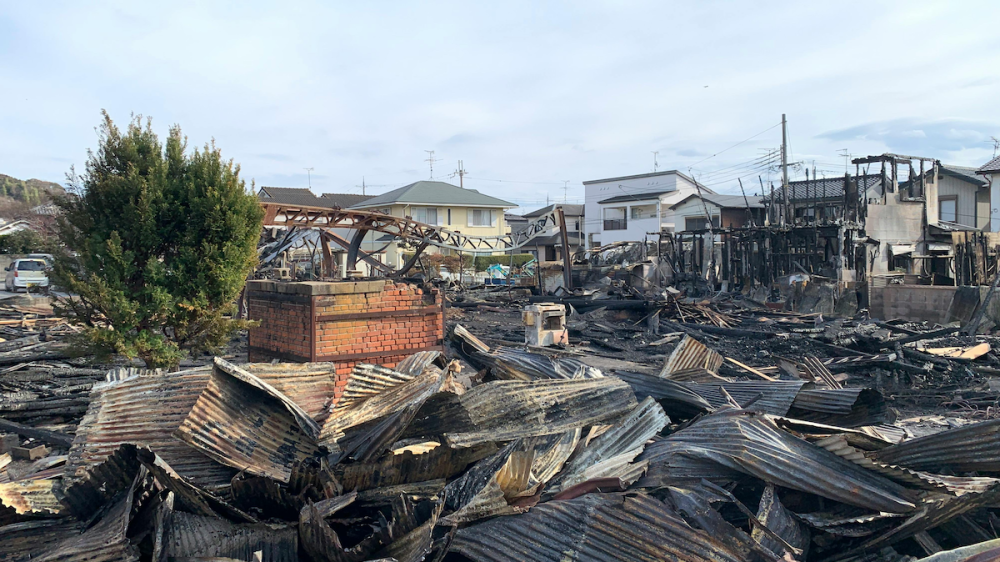
The Palisades and Eaton fires in January 2025 destroyed about 13,000 homes. A year later, only...
Read More
Kim In the News

Kim on the Rebuilding Efforts After the Palisades Fire

December 19, 2025
Luskin in the News
Assistant Professor of Urban Planning Minjee Kim shares her insights on the rebuilding efforts after the...
Read More
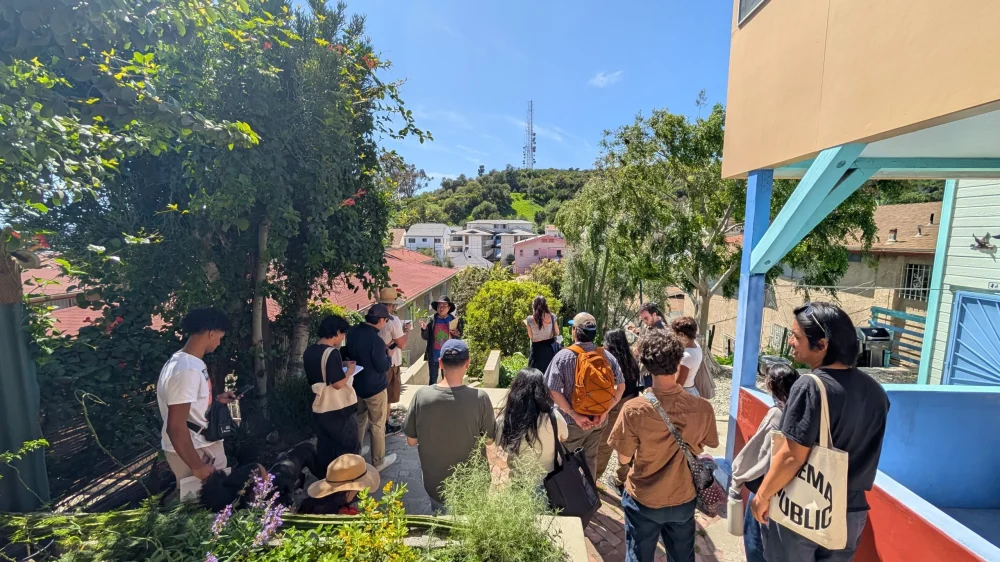
Urban planning students on a tour of the Solano Canyon neighborhoods observing fire hazards, overgrown grasses and invasive eucalyptus trees.|UCLA urban planning students explore Solano Canyon during a field visit for a class studying wildfire resilience and community planning.

After January wildfires, Luskin students help one vulnerable community build resilience

September 15, 2025
For Students
Urban planning students partnered with Solano Canyon residents to develop practical wildfire resilience strategies....
Read More
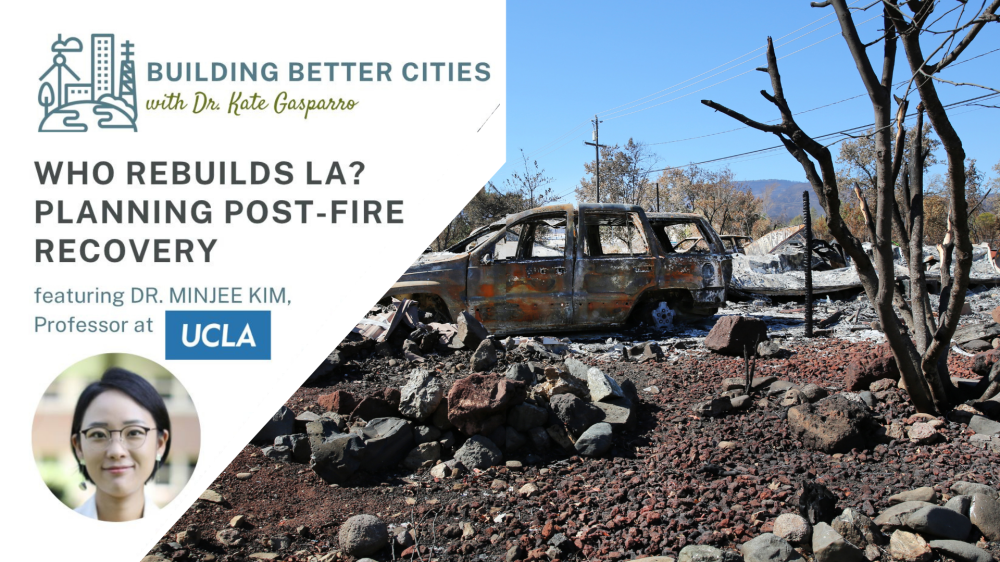
Headshot of Minjee Kim professor of urban planning beneath the Building Better Cities logo in the top left corder over a photo of a home burned down with the remains of a charred and burned car in the driveway.|Building Better cities podcast logo and a headshot of Dr. Minjee Kim overlaid on a photo of a house on fire.

Rebuilding for Resilience: Minjee Kim on Post-Fire Urban Planning

July 22, 2025
Climate Change

Dr. Minjee Kim, assistant professor of urban planning at UCLA Luskin, was featured on the Building...

Read More
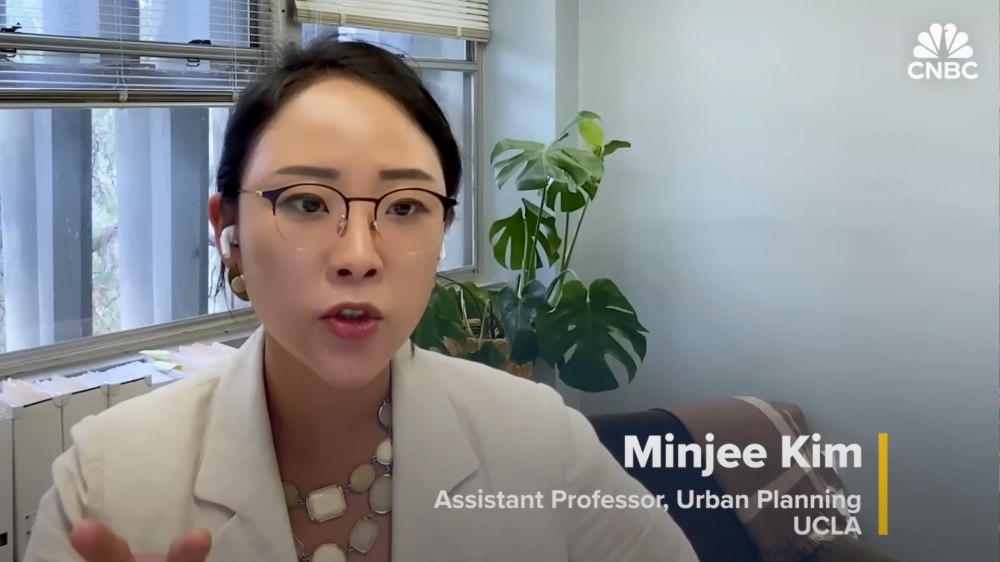
Dr. Minjee Kim sits in her office being interviewed via Zoom for a CNBC feature on the rise of gated communities in the U.S.

Minjee Kim Weighs In on the Rise of Gated Communities in the U.S.

July 21, 2025
For Faculty
In a recent CNBC feature, urban planning expert Prof. Kim discusses the social and economic forces...
Read More
Learn more about UCLA Luskin

Find contact information and get answers to your questions.

Contact Us

Public Affairs Building
337 Charles E. Young Drive East
Los Angeles, California 90095

Linkedin Youtube Instagram Facebook X-twitter
Campus Resources
  • Map, Directions, Parking
  • Directory
  • Academic Calendar
  • Careers
  • Map, Directions, Parking
  • Directory
  • Academic Calendar
  • Careers
School Resources
  • About
  • Our Dean
  • Administration
  • Board of Advisors
  • Contact Us
  • Visit Us
  • About
  • Our Dean
  • Administration
  • Board of Advisors
  • Contact Us
  • Visit Us
© 2026 Regents of the University of California
  • Emergency
  • Accessibilty
  • Privacy & Terms of Use
  • Emergency
  • Accessibilty
  • Privacy & Terms of Use
Facebook Instagram Linkedin X-twitter Youtube Threads
Academics
Departments
  • Public Policy
  • Real Estate Development
  • Social Welfare
  • Undergraduate Program
  • Urban Planning
  • Public Policy
  • Real Estate Development
  • Social Welfare
  • Undergraduate Program
  • Urban Planning
Graduate Programs
  • Master of Public Policy (MPP)
  • Master of Real Estate Development (MRED)
  • Master of Social Welfare (MSW)
  • Master of Urban and Regional Planning (MURP)
  • PhD in Social Welfare
  • PhD in Urban Planning
  • Master of Public Policy (MPP)
  • Master of Real Estate Development (MRED)
  • Master of Social Welfare (MSW)
  • Master of Urban and Regional Planning (MURP)
  • PhD in Social Welfare
  • PhD in Urban Planning
Undergraduate Programs
  • BA in Public Affairs
  • Minor in Urban and Regional Studies
  • Minor in Gerontology
  • Minor in Public Affairs
  • BA in Public Affairs
  • Minor in Urban and Regional Studies
  • Minor in Gerontology
  • Minor in Public Affairs
Professional Certificates
  • Data Analytics Certificate
  • Data Analytics Certificate
Admissions
Program Specific Admissions
  • Public Policy
  • Real Estate Development
  • Social Welfare
  • Urban Planning
  • Undergraduate Program
  • Public Policy
  • Real Estate Development
  • Social Welfare
  • Urban Planning
  • Undergraduate Program
Faculty
Our Faculty
  • All Faculty
  • Public Policy
  • Real Estate Development
  • Social Welfare
  • Urban Planning
  • All Faculty
  • Public Policy
  • Real Estate Development
  • Social Welfare
  • Urban Planning
Leadership
  • Our Dean
  • Board of Advisors
  • Faculty Executive Committee
  • Our Dean
  • Board of Advisors
  • Faculty Executive Committee
Research Centers
  • Agile Visual Analytics Lab (AVAL):

    Uses data visualization to improve decision-making for family and child services.

  • Berggruen Governance Index

    Evaluates the quality of political governance and democracy worldwide.

  • Center for Neighborhood Knowledge (CNK)

    Specializes in spatial analysis of socioeconomic disparities in neighborhoods.

  • Center for Policy Research on Aging (CPRA)

    Explores the societal and policy implications of an aging population.

  • Agile Visual Analytics Lab (AVAL):

    Uses data visualization to improve decision-making for family and child services.

  • Berggruen Governance Index

    Evaluates the quality of political governance and democracy worldwide.

  • Center for Neighborhood Knowledge (CNK)

    Specializes in spatial analysis of socioeconomic disparities in neighborhoods.

  • Center for Policy Research on Aging (CPRA)

    Explores the societal and policy implications of an aging population.

  • Institute of Transportation Studies (ITS)

    A national leader in transportation policy and mobility research.

  • Institute on Inequality and Democracy

    Advances scholarship addressing displacement and dispossession in Los Angeles and beyond.

  • Latin American Cities Initiative

    Connects urban planning and policy networks across the Americas.

  • Latino Policy & Politics Institute (LPPI)

    Addresses policy challenges facing Latinos and communities of color.

  • Institute of Transportation Studies (ITS)

    A national leader in transportation policy and mobility research.

  • Institute on Inequality and Democracy

    Advances scholarship addressing displacement and dispossession in Los Angeles and beyond.

  • Latin American Cities Initiative

    Connects urban planning and policy networks across the Americas.

  • Latino Policy & Politics Institute (LPPI)

    Addresses policy challenges facing Latinos and communities of color.

  • Lewis Center for Regional Policy Studies

    Researches housing, transportation, and economic development in Southern California.

  • Los Angeles Education Research Institute (LAERI)

    Collaborates with schools to improve educational outcomes for L.A. students.

  • Luskin Center for Innovation (LCI)

    Focuses on environmental policy, clean energy, and climate justice.

  • UCLA Voting Rights Project

    The flagship project for voting rights litigation and policy research.

  • Lewis Center for Regional Policy Studies

    Researches housing, transportation, and economic development in Southern California.

  • Los Angeles Education Research Institute (LAERI)

    Collaborates with schools to improve educational outcomes for L.A. students.

  • Luskin Center for Innovation (LCI)

    Focuses on environmental policy, clean energy, and climate justice.

  • UCLA Voting Rights Project

    The flagship project for voting rights litigation and policy research.

All Research Centers
Outcomes
Common Search Terms

Results will show as you type.