Skip to content
  • Students & Alumni
    • Career Services
    • Alumni Relations
    • Student Support
    • Graduate Resource Library
    • For Employers
  • News
  • Events
    • Events Calendar
    • Luskin Summit
    • Luskin Lecture Series
    • California Policy Briefing
    • Commencement
  • Students & Alumni
    • Career Services
    • Alumni Relations
    • Student Support
    • Graduate Resource Library
    • For Employers
  • News
  • Events
    • Events Calendar
    • Luskin Summit
    • Luskin Lecture Series
    • California Policy Briefing
    • Commencement
Giving
UCLA Luskin School of Public Affairs Logo
  • Academics
    Departments & Programs
    • Global Public Affairs
    • Public Policy
    • Real Estate Development
    • Social Welfare
    • Urban Planning
    • Undergraduate Program
    • Global Public Affairs
    • Public Policy
    • Real Estate Development
    • Social Welfare
    • Urban Planning
    • Undergraduate Program
    Graduate Degrees
    • Master of Global Public Affairs (MGPA)
    • Master of Public Policy (MPP)
    • Master of Real Estate Development (MRED)
    • Master of Social Welfare (MSW)
    • Master of Urban and Regional Planning (MURP)
    • PhD in Social Welfare
    • PhD in Urban Planning
    • Master of Global Public Affairs (MGPA)
    • Master of Public Policy (MPP)
    • Master of Real Estate Development (MRED)
    • Master of Social Welfare (MSW)
    • Master of Urban and Regional Planning (MURP)
    • PhD in Social Welfare
    • PhD in Urban Planning
    Undergraduate Degrees
    • BA in Public Affairs
    • Minor in Urban and Regional Studies
    • Minor in Gerontology
    • Minor in Public Affairs
    • BA in Public Affairs
    • Minor in Urban and Regional Studies
    • Minor in Gerontology
    • Minor in Public Affairs
    Professional Certificates
    • AI in Public Affairs Certificate
    • AI in Public Affairs Certificate
  • Admissions
    Program Specific Admissions
    • Global Public Affairs
    • Public Policy
    • Real Estate Development
    • Social Welfare
    • Urban Planning
    • Undergraduate Program
    • Global Public Affairs
    • Public Policy
    • Real Estate Development
    • Social Welfare
    • Urban Planning
    • Undergraduate Program
  • Faculty
    Our Faculty
    • All Faculty
    • Public Policy
    • Real Estate Development
    • Social Welfare
    • Urban Planning
    • All Faculty
    • Public Policy
    • Real Estate Development
    • Social Welfare
    • Urban Planning
    Leadership
    • Our Dean
    • Board of Advisors
    • Faculty Executive Committee
    • Our Dean
    • Board of Advisors
    • Faculty Executive Committee
  • Research Centers
    • Agile Visual Analytics Lab (AVAL)

      Empowers stakeholders with data to make informed decisions for children, families, and communities.

    • Berggruen Governance Index

      Evaluates the quality of political governance and democracy worldwide.

    • Center for Neighborhood Knowledge (CNK)

      Specializes in spatial analysis of socioeconomic disparities in neighborhoods.

    • Center for Policy Research on Aging (CPRA)

      Explores the societal and policy implications of an aging population.

    • Agile Visual Analytics Lab (AVAL)

      Empowers stakeholders with data to make informed decisions for children, families, and communities.

    • Berggruen Governance Index

      Evaluates the quality of political governance and democracy worldwide.

    • Center for Neighborhood Knowledge (CNK)

      Specializes in spatial analysis of socioeconomic disparities in neighborhoods.

    • Center for Policy Research on Aging (CPRA)

      Explores the societal and policy implications of an aging population.

    • Institute of Transportation Studies (ITS)

      Advances research, education, and meaningful civic engagement on transportation issues.

    • Institute on Inequality and Democracy

      Advances scholarship that confronts threats to democracy in America and around the world.

    • Latin American Cities Initiative

      Connects urban planning and policy networks across the Americas.

    • Latino Policy & Politics Institute (LPPI)

      Addresses policy challenges facing Latinos and communities of color.

    • Institute of Transportation Studies (ITS)

      Advances research, education, and meaningful civic engagement on transportation issues.

    • Institute on Inequality and Democracy

      Advances scholarship that confronts threats to democracy in America and around the world.

    • Latin American Cities Initiative

      Connects urban planning and policy networks across the Americas.

    • Latino Policy & Politics Institute (LPPI)

      Addresses policy challenges facing Latinos and communities of color.

    • Lewis Center for Regional Policy Studies

      Studying housing affordability and transportation equity in the L.A. region.

    • Los Angeles Education Research Institute (LAERI)

      Collaborates with schools to improve educational outcomes for L.A. students.

    • Luskin Center for Innovation

      Informing effective and equitable environmental policy that improves lives.

    • UCLA Voting Rights Project

      The flagship project for voting rights litigation and policy research.

    • Lewis Center for Regional Policy Studies

      Studying housing affordability and transportation equity in the L.A. region.

    • Los Angeles Education Research Institute (LAERI)

      Collaborates with schools to improve educational outcomes for L.A. students.

    • Luskin Center for Innovation

      Informing effective and equitable environmental policy that improves lives.

    • UCLA Voting Rights Project

      The flagship project for voting rights litigation and policy research.

    All Research Centers
  • Outcomes
Home / News / L.A. County Residents’ Satisfaction With Quality of Life Matches Lowest in Year 9 of Survey

L.A. County Residents’ Satisfaction With Quality of Life Matches Lowest in Year 9 of Survey

High cost of housing is the most important factor impacting the annual Quality of Life Index, particularly among renters
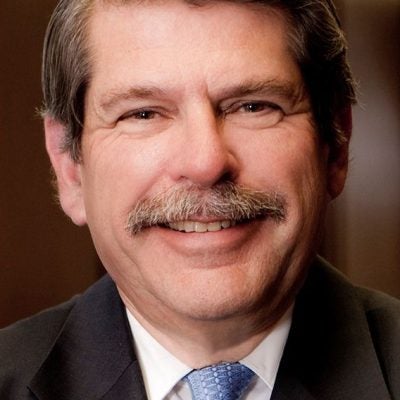
While housing costs have gone up, “incomes have not gone up anywhere near commensurate with what’s happened to housing,” said Zev Yaroslavsky, director of the
While housing costs have gone up, “incomes have not gone up anywhere near commensurate with what’s happened to housing,” said Zev Yaroslavsky, director of the Los Angeles Initiative. Photo by Jacob Wackerhausen / iStock

Posted in

  • Education, Environment, Politics, Public Policy, School of Public Affairs, Social Welfare, Undergraduates, Urban Planning

Published on

  • April 17, 2024
  • government, homelessness, housing, inflation, Los Angeles, poverty, public opinion, research

Share this Article

By Les Dunseith

Concerns over the high cost of living pushed the satisfaction of Los Angeles County residents back to its lowest-ever level, with renters feeling especially pessimistic about their futures, according to an annual UCLA survey.

The Quality of Life Index, or QLI, is a project of the Los Angeles Initiative at the UCLA Luskin School of Public Affairs  that measures county residents’ satisfaction in nine categories. The overall rating fell two points from last year to 53 on a scale from 10 to 100, marking the second time in three years it came in below the survey’s 55 midpoint since the index launched in 2016. That means a majority of respondents are dissatisfied with the overall quality of their lives.
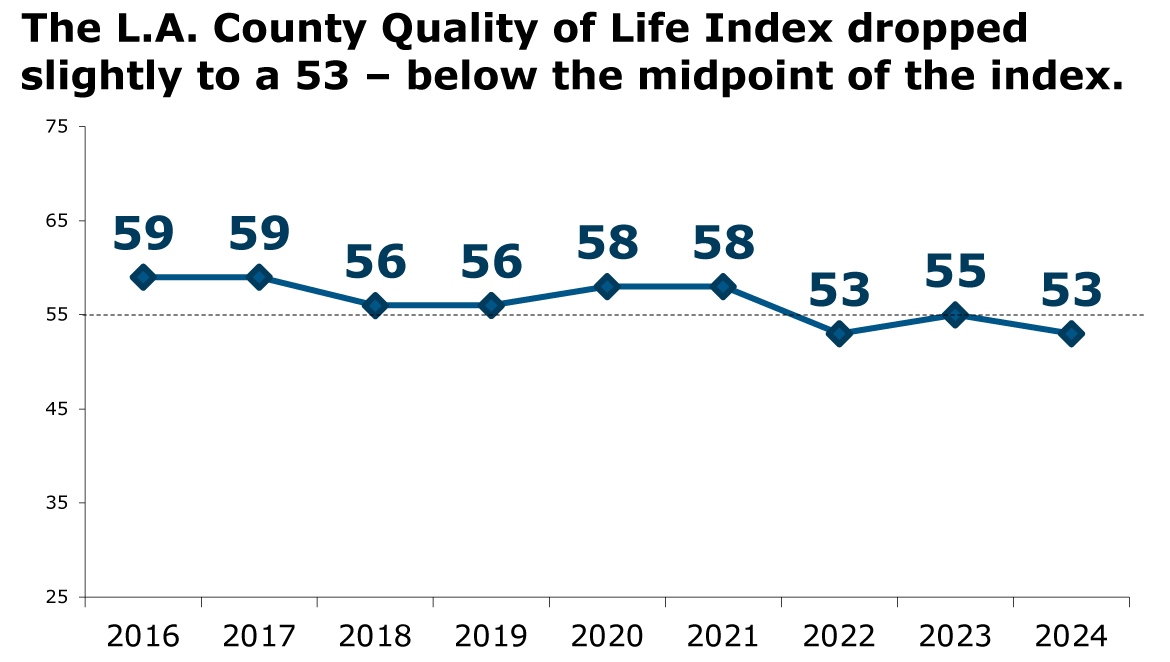
fever chart shows rating change over time

The cost-of-living rating dropped from 41 to 38, the lowest satisfaction score ever observed for any category in the survey. Although all major demographic subgroups rated the cost of living negatively, the lowest scores came from women, 36 (33 from those 50–64 years old) and Latinas, 36 — as well as renters, 35.

Zev Yaroslavsky, director of the study at UCLA, said renters, who make up nearly half of survey respondents, are being disproportionately affected by the economic and inflationary pressures facing the region. More than half, or 59%, cited housing as the most important factor in their rating.
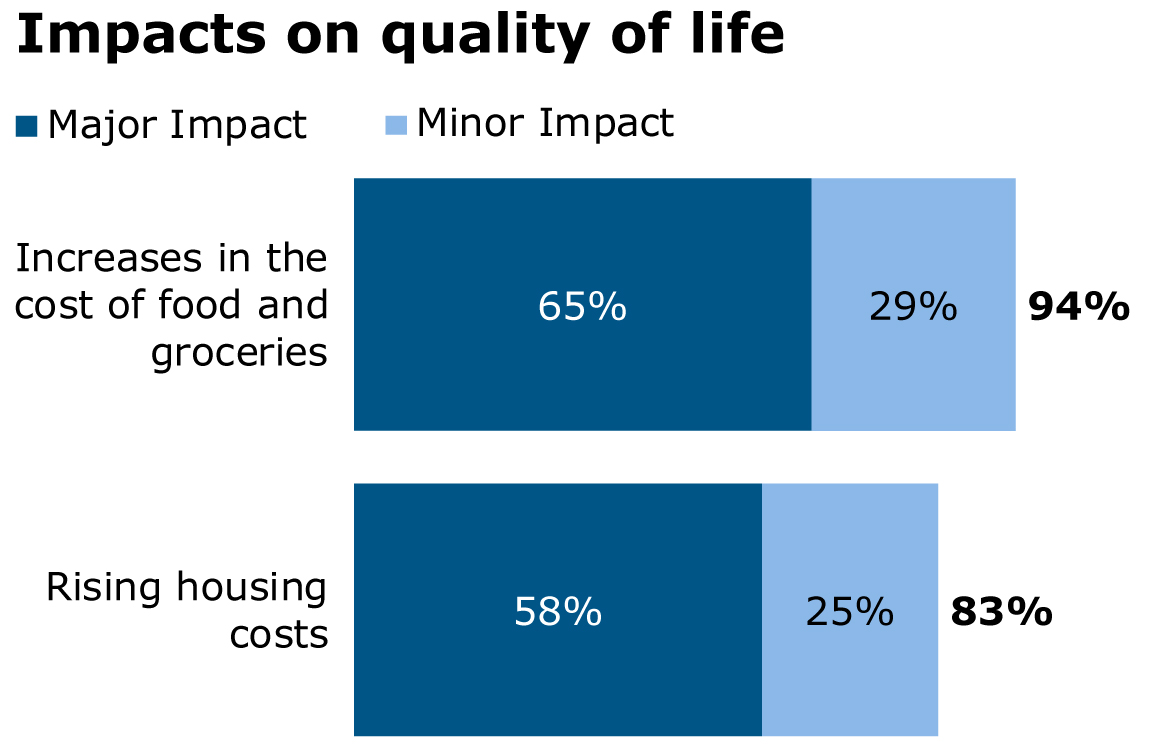
“Housing costs have gone up,” Yaroslavsky said. “And incomes have not gone up anywhere near commensurate with what’s happened to housing.”

While 61% of homeowners feel optimistic about their economic future in Los Angeles County, 51% of renters report being pessimistic. Only 23% of renters think they will be able to buy a home where they would want to live at some point in the future.
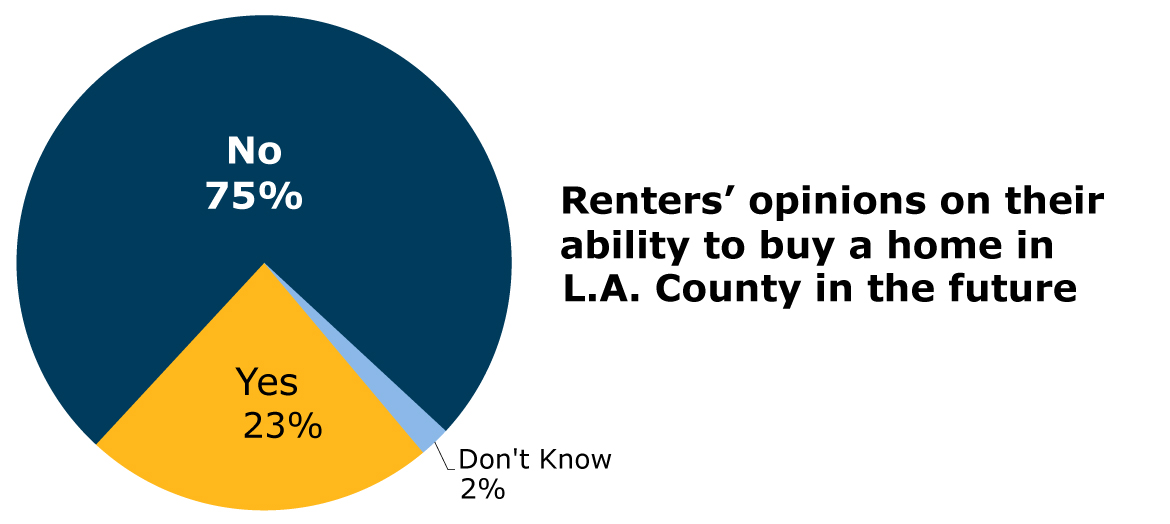
pie chart shows only one in four renters expect to buy a home eventually


This year’s survey also produced striking results on the issue of homelessness.

“We discovered very little optimism about whether the current programs and efforts to eradicate homelessness will work,” Yaroslavsky said.

More than half, or 60%, of respondents said homelessness in their area has gotten worse over the past year, with only 10% saying it has gotten better. Just 20% are more hopeful than they were last year that the homelessness situation in Los Angeles County will improve.

Respondents were also asked whether they worried about becoming homeless themselves, with the highest levels of anxiety expressed by people living in households earning less than $60,000 annually at 44%, renters 37% and African Americans 33%.

“Despite the best efforts of state and local officials, the public is more negative and less hopeful about solving homelessness,” Yaroslavsky said.

In an election year, do such findings signal possible voter upheaval?

“It feeds an overall sense that things aren’t working well,” said Yaroslavsky, a former elected official. He framed this year’s results in the context of nearly a decade’s worth of research showing positive results for neighborhood quality and racial/ethnic relations, but low marks in categories commonly associated with decisions by public officials.

“A main theme over the last nine years is that Angelenos love the neighborhoods where they live. We appreciate diversity and get along with others better than some people think. And the quality of life for most of us is pretty good,” he said. “But at some fundamental level, people think our governmental institutions are letting them down.”

The QLI showed minor changes from the previous year in most categories, although satisfaction with education fell three points to 48, the second-lowest score behind cost of living. While transportation/traffic jumped eight points in importance from 2023, it remained among the three lowest categories in quality-of-life importance.

Among Angelenos who are employed, 55% are working full time at a workplace away from their home. Of those, 59% of Latinos, 64% of African Americans, 63% of men over age 50 and 63% of Latino men always work away from home.

The last year has seen a modest decline in most ratings for elected officials.

  • Los Angeles County Sheriff Robert Luna is viewed favorably by 34% and unfavorably by 26%. Last year was 37% favorable and 21% unfavorable.
  • Los Angeles Mayor Karen Bass is viewed favorably by 42% and unfavorably by 32%, a drop from 46% favorable and 23% unfavorable in last year’s QLI.
  • Respondents had a slightly favorable view of the city councils in their cities: 37% favorable and 32% unfavorable. The Los Angeles County Board of Supervisors is viewed more negatively: 27% favorable and 35% unfavorable.

Regarding the environment, 25% of respondents said climate change had a major impact on their quality of life in the last year; 38% saw a minor impact. The 2024 QLI also asked about the availability of air conditioning: 75% of Angelenos have it in their homes but with substantial variation by region, income and race/ethnicity.

  • Some of the differences likely relate to climate patterns: 48% of residents in the ocean-cooled South Bay communities have air conditioning compared to 92% in the hotter San Fernando Valley.
  • Residents most lacking in air conditioning, 40%, are at the lowest end of the income scale (under $30,000 per year), compared to just 11% for those making over $150,000 per year. And 30% of renters do not have air conditioning.

This year’s QLI is based on interviews conducted in English and Spanish with 1,686 county residents from Feb. 22 to March 14. The survey’s margin of error is plus or minus 3%.

Funding for the Quality of Life Index is provided by Meyer and Renee Luskin through the Los Angeles Initiative. The full report is being published April 17 as part of UCLA’s Luskin Summit.

View the report and other information about this year’s study, plus previous Quality of Life Indexes, on the website of the UCLA Lewis Center for Regional Policy Studies.
text with report name and a map of Los Angeles County


Faculty Mentioned in this Article
Hasenfeld_Zeke|Yaroslavsky_Zev

Zev Yaroslavsky

Director, Los Angeles Initiative

During a career in public life spanning nearly four decades, Zev Yaroslavsky has been at the forefront of Los Angeles...

Related Articles

U.S. flags in front of L.A. City Hall

In Race for L.A. Mayor, the Real Challenge Is to Articulate a Vision

September 30, 2026
Luskin in the News
Read More
American flag and the California flag flying on a flag pole in front of a palm tree

Avenal Recall Dispute Raises Questions About California’s Democratic Process

August 21, 2026
Luskin in the News

Avenal, a small Central Valley city of 13,500, has been plunged into political turmoil after voters...

Read More
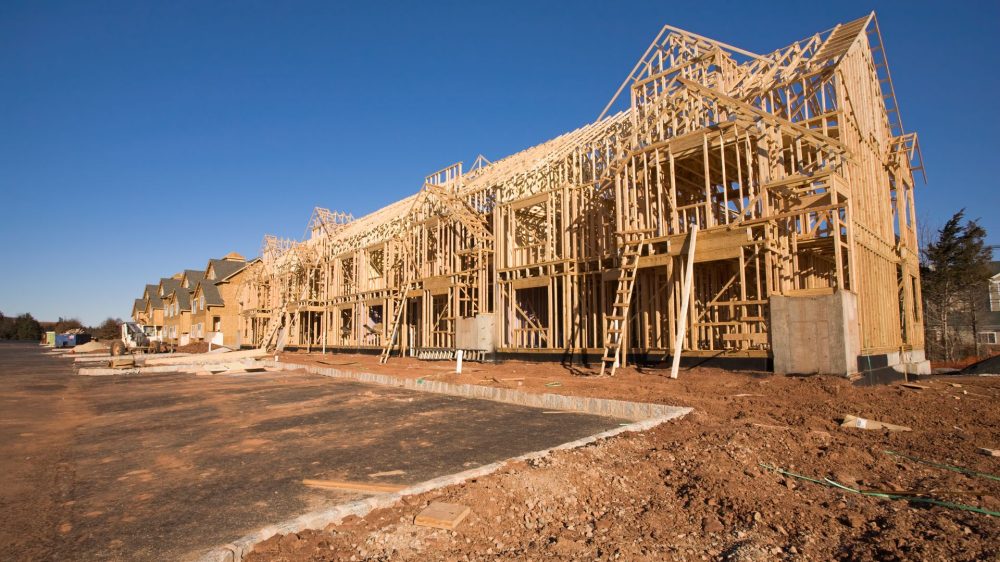
a complex of buildines in process of getting built, framing is done and some sheathing sitting on a muddy construction site.

Zev Yaroslavsky Discusses L.A. County’s Growth and Housing Challenges

July 10, 2026
Luskin in the News
Zev Yaroslavsky analyzed L.A. County’s booming communities, explaining housing growth opportunities and affordability challenges in the...
Read More
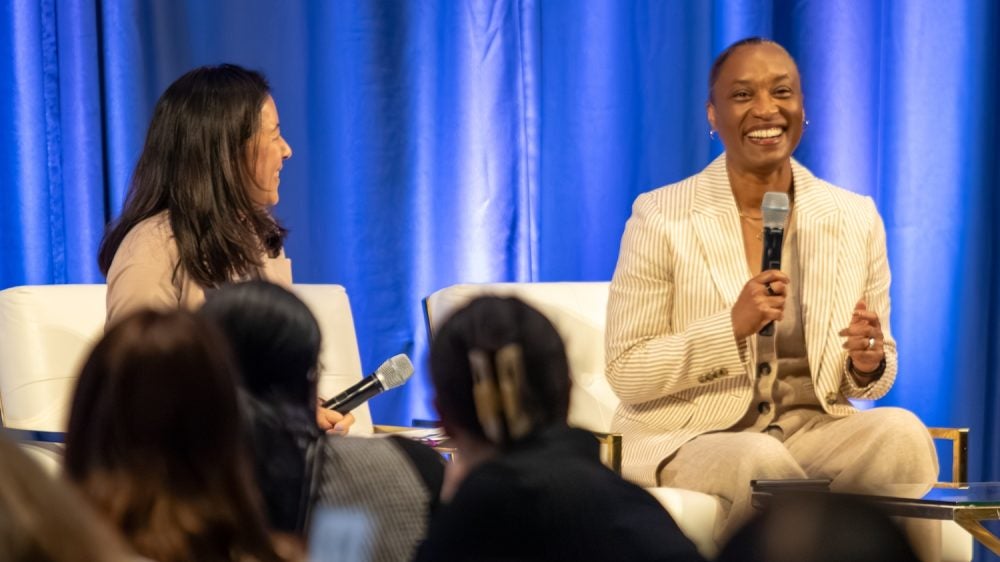
Former U.S. Sen. Laphonza Butler, right, in dialogue with Health Net vice president Alissa Ko, a member of the UCLA Luskin Board of Advisors

Hope Is Hard Work: Laphonza Butler Delivered Call to Action on Building Power From the Ground Up

April 20, 2026
Alumni
At the annual Luskin Summit, the former U.S. senator joined 400 scholars, students, and leaders in...
Read More
The Los Angeles skyline from a distance on a clear day: Tall buildings against a background of blue sky with clouds overhead. Smaller buildings and green trees stand in the foreground beneath the skyscrapers.

Zev Yaroslavsky Reflects on Declining Quality of Life in Los Angeles Times Report

April 17, 2026
Luskin in the News
The index score dropped to 52, driven by widespread declines in satisfaction across nearly all major...
Read More
collage of three women and one man

A Toss-Up in the LA Mayor’s Race

April 16, 2026
Luskin in the News
UCLA Luskin poll finding 40% undecided draws local, national and international coverage....
Read More
Learn more about UCLA Luskin

Find contact information and get answers to your questions.

Contact Us

Public Affairs Building
337 Charles E. Young Drive East
Los Angeles, California 90095

Linkedin Youtube Instagram Facebook X-twitter
Campus Resources
  • Map, Directions, Parking
  • Directory
  • Academic Calendar
  • Careers
  • Map, Directions, Parking
  • Directory
  • Academic Calendar
  • Careers
School Resources
  • About
  • Our Dean
  • Administration
  • Board of Advisors
  • Contact Us
  • Visit Us
  • About
  • Our Dean
  • Administration
  • Board of Advisors
  • Contact Us
  • Visit Us
UCLA logo
© 2026 Regents of the University of California
  • Emergency
  • Accessibility
  • Privacy & Terms of Use
  • Emergency
  • Accessibility
  • Privacy & Terms of Use
Facebook Instagram Linkedin X-twitter Youtube Threads
UCLA Luskin School of Public Affairs Logo
Academics
Departments
  • Global Public Affairs
  • Public Policy
  • Real Estate Development
  • Social Welfare
  • Urban Planning
  • Undergraduate Program
  • Global Public Affairs
  • Public Policy
  • Real Estate Development
  • Social Welfare
  • Urban Planning
  • Undergraduate Program
Graduate Programs
  • Master of Global Public Affairs (MGPA)
  • Master of Public Policy (MPP)
  • Master of Real Estate Development (MRED)
  • Master of Social Welfare (MSW)
  • Master of Urban and Regional Planning (MURP)
  • PhD in Social Welfare
  • PhD in Urban Planning
  • Master of Global Public Affairs (MGPA)
  • Master of Public Policy (MPP)
  • Master of Real Estate Development (MRED)
  • Master of Social Welfare (MSW)
  • Master of Urban and Regional Planning (MURP)
  • PhD in Social Welfare
  • PhD in Urban Planning
Undergraduate Programs
  • BA in Public Affairs
  • Minor in Urban and Regional Studies
  • Minor in Gerontology
  • Minor in Public Affairs
  • BA in Public Affairs
  • Minor in Urban and Regional Studies
  • Minor in Gerontology
  • Minor in Public Affairs
Professional Certificates
  • AI in Public Affairs Certificate
  • AI in Public Affairs Certificate
Admissions
Program Specific Admissions
  • Global Public Affairs
  • Public Policy
  • Real Estate Development
  • Social Welfare
  • Urban Planning
  • Undergraduate Program
  • Global Public Affairs
  • Public Policy
  • Real Estate Development
  • Social Welfare
  • Urban Planning
  • Undergraduate Program
Faculty
Our Faculty
  • All Faculty
  • Public Policy
  • Real Estate Development
  • Social Welfare
  • Urban Planning
  • All Faculty
  • Public Policy
  • Real Estate Development
  • Social Welfare
  • Urban Planning
Leadership
  • Our Dean
  • Board of Advisors
  • Faculty Executive Committee
  • Our Dean
  • Board of Advisors
  • Faculty Executive Committee
Research Centers
  • Agile Visual Analytics Lab (AVAL)

    Empowers stakeholders with data to make informed decisions for children, families, and communities.

  • Berggruen Governance Index

    Evaluates the quality of political governance and democracy worldwide.

  • Center for Neighborhood Knowledge (CNK)

    Specializes in spatial analysis of socioeconomic disparities in neighborhoods.

  • Center for Policy Research on Aging (CPRA)

    Explores the societal and policy implications of an aging population.

  • Agile Visual Analytics Lab (AVAL)

    Empowers stakeholders with data to make informed decisions for children, families, and communities.

  • Berggruen Governance Index

    Evaluates the quality of political governance and democracy worldwide.

  • Center for Neighborhood Knowledge (CNK)

    Specializes in spatial analysis of socioeconomic disparities in neighborhoods.

  • Center for Policy Research on Aging (CPRA)

    Explores the societal and policy implications of an aging population.

  • Institute of Transportation Studies (ITS)

    Advances research, education, and meaningful civic engagement on transportation issues.

  • Institute on Inequality and Democracy

    Advances scholarship that confronts threats to democracy in America and around the world.

  • Latin American Cities Initiative

    Connects urban planning and policy networks across the Americas.

  • Latino Policy & Politics Institute (LPPI)

    Addresses policy challenges facing Latinos and communities of color.

  • Institute of Transportation Studies (ITS)

    Advances research, education, and meaningful civic engagement on transportation issues.

  • Institute on Inequality and Democracy

    Advances scholarship that confronts threats to democracy in America and around the world.

  • Latin American Cities Initiative

    Connects urban planning and policy networks across the Americas.

  • Latino Policy & Politics Institute (LPPI)

    Addresses policy challenges facing Latinos and communities of color.

  • Lewis Center for Regional Policy Studies

    Studying housing affordability and transportation equity in the L.A. region.

  • Los Angeles Education Research Institute (LAERI)

    Collaborates with schools to improve educational outcomes for L.A. students.

  • Luskin Center for Innovation

    Informing effective and equitable environmental policy that improves lives.

  • UCLA Voting Rights Project

    The flagship project for voting rights litigation and policy research.

  • Lewis Center for Regional Policy Studies

    Studying housing affordability and transportation equity in the L.A. region.

  • Los Angeles Education Research Institute (LAERI)

    Collaborates with schools to improve educational outcomes for L.A. students.

  • Luskin Center for Innovation

    Informing effective and equitable environmental policy that improves lives.

  • UCLA Voting Rights Project

    The flagship project for voting rights litigation and policy research.

All Research Centers
Outcomes
Common Search Terms

Results will show as you type.