This article originally appeared in the Fall 2026 issue of UCLA Magazine. View the original story.
By Malcolm Burnley
Photography by David Esquivel
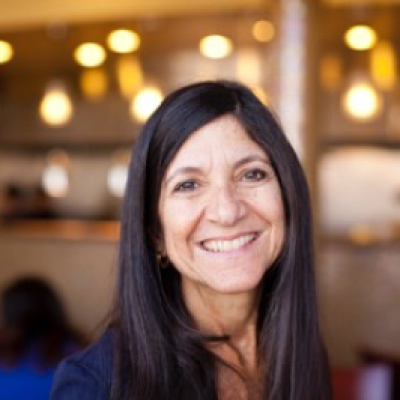
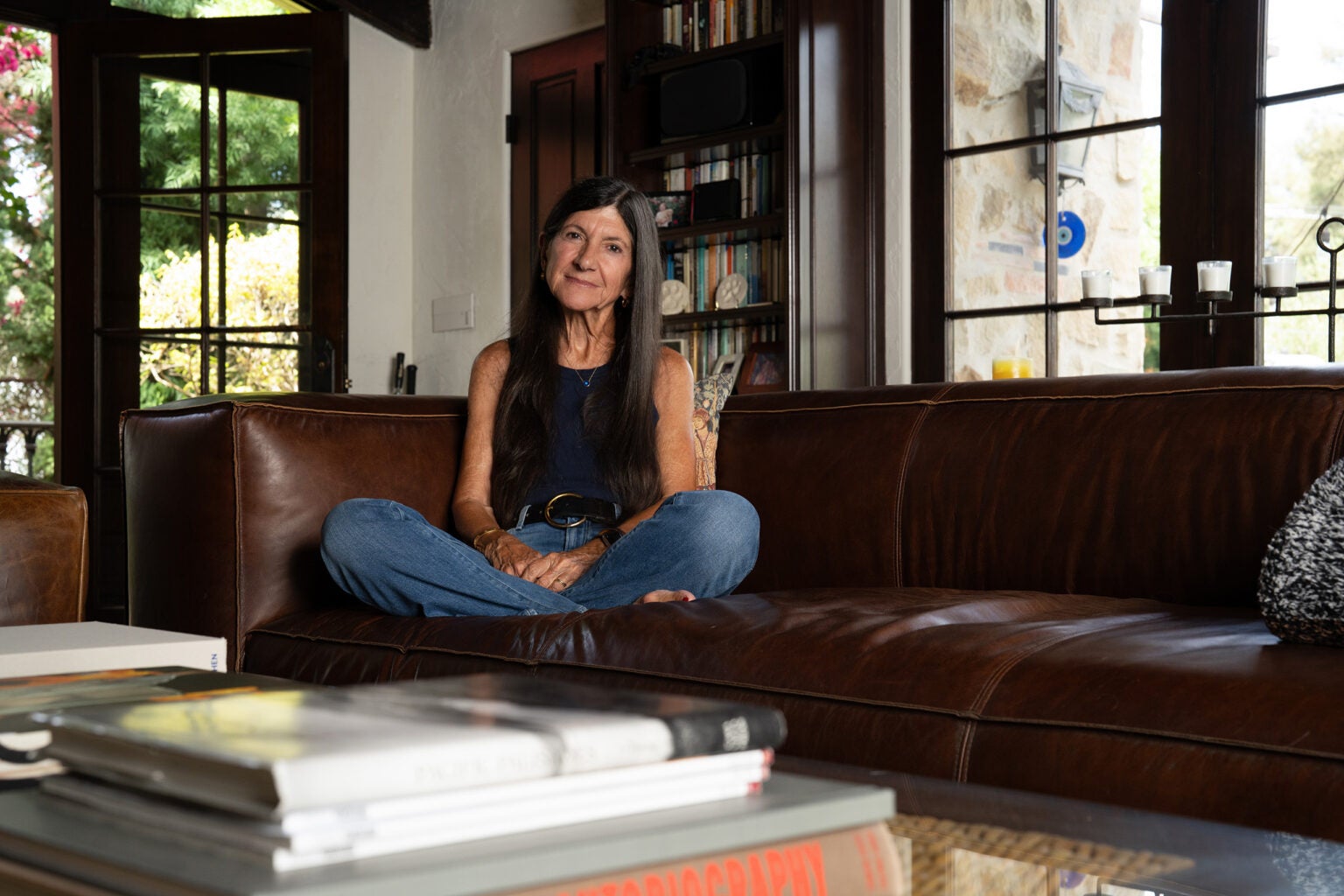
“We all love the epiphany, OK,” Jorja Leap ’78, M.S.W. ’80, Ph.D. ’88 is saying. “But what happens the day after?”
It’s not a rhetorical question — not for Leap, anyway. She quickly launches into a parable about a “stupid little white girl” (that would be her) working in Watts as a young social worker in the early 1980s. Or, as she’s fond of describing that earlier version of herself, “Me before the wrinkle cream.”
The epiphany in question is this one: One night after moonlighting as a waitress — social work and side hustles were like salt and pepper, even back then — Leap returned home to find a gang-involved young man on the doorstep of her apartment. She recognized him from her day job at Martin Luther King Jr. Community Hospital, where she’d once made him a simple promise: I’ll always be here when you’re ready to change your life. That night, instead of participating in a shooting against rivals, he decided to take her up on her offer.
It mattered little to Leap that he’d broken into the hospital’s records office to obtain her address; for one thing, a break-in was better than a shooting, she reasoned. Second, she learned a powerful lesson that night: When it comes to saving lives in violent environments, compassion is king. Instead of demonizing his actions, Leap chose to see the cunning and determination it had taken to get him to her doorstep. Over time, with her help, he left the gang completely behind and became a high school teacher.
Today, equipped with dramatic tales like this one, Leap is altering public perceptions of what careers in the social sciences can look like. “I can literally construct a soap opera based on some of my work,” she says. “The research that we do is hard. It’s dramatic and messy. But people often think it’s this antiseptic effort.”
As executive director of the UCLA Social Justice Research Partnership, Leap has recently been pushing colleagues, communications officers and university administrators to rethink how they discuss community-based research. Her argument, and it’s a strong one, is that practically all the elements that make UCLA sports so compelling to follow — unexpected heroes, high stakes, interpersonal dramas — also exist in university-affiliated projects. But we rarely hear about these stories beyond a press release.
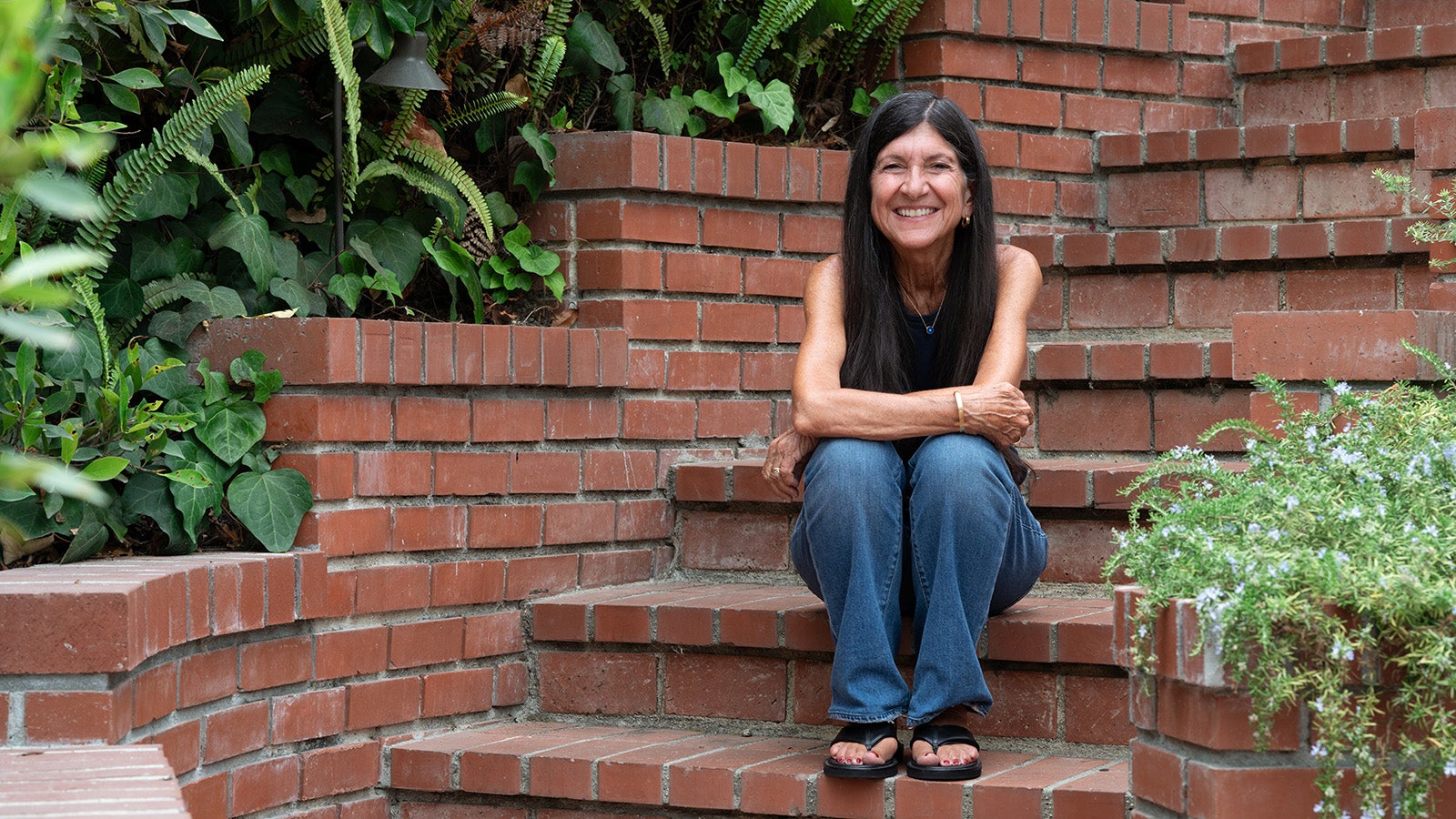
“UCLA is a powerhouse in media, but 90% of the coverage is about sports,” says Leap. “My call to action is to highlight the episodic drama of research.”
Her own career as a public intellectual speaks to this mission. Her 2012 memoir, Jumped In: What Gangs Taught Me About Violence, Love, Drugs, and Redemption, chronicles the ups and downs of working in crime intervention and research during the ’80s and ’90s, a world she entered shortly after that epiphany on her doorstep. By design, the book is short on policy and chock-full of entertainment, such as a chapter about the diminutive Leap coming to be known as “Little Mama” inside Watts. Writing the book deepened her belief in the value of social work storytelling.
In fact, throughout Leap’s career, she’s been far more focused on putting research into practice than on getting it published. She’s never been a boilerplate academic. She says, “To be engaged in the community, to go out in the community — I see it as an extension of the educational mission I believe in at UCLA.”
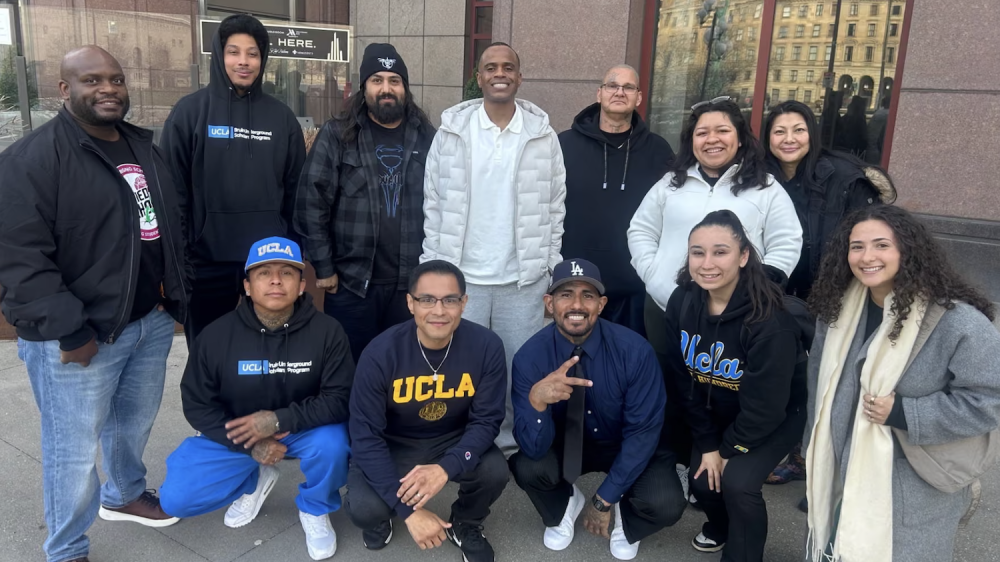
One such effort, co-founded by Leap in 2016, is the UCLA Watts Leadership Institute, an ongoing effort to strengthen the nonprofit sector in South L.A. More recently, with the UCLA Social Justice Research Partnership, Leap has overseen a major expansion of the multidisciplinary initiative seeking solutions to social issues by fostering collaboration between academics and the surrounding community — not only carrying ideas out, but also bringing people in. She’s invited ex-Crips to come speak to a class. “There are people out there who are not our typical student profile, who can come to UCLA and enhance what we already have,” she says.
A first-gen college student herself, Leap speaks from personal experience. In 1973, she was set to attend UC Irvine; but three days before classes began, she made a fateful trip to Bruin Walk. The campus was ablaze with activism around the Vietnam War, alive in a way that Leap found intoxicating. This is where I belong, she thought. Today, she’s helping others hear that call.
“I love to say that UCLA gave me three degrees, two husbands, and a meaning to my life,” says Leap. “I’m grateful, because this place has changed my life.”
A story as compelling as any scoreboard you’ll ever see.