Skip to content
  • Students & Alumni
    • Career Services
    • Alumni Relations
    • Student Support
    • Graduate Resource Library
    • For Employers
  • News
  • Events
    • Events Calendar
    • Luskin Summit
    • Luskin Lecture Series
    • California Policy Briefing
    • Commencement
  • Students & Alumni
    • Career Services
    • Alumni Relations
    • Student Support
    • Graduate Resource Library
    • For Employers
  • News
  • Events
    • Events Calendar
    • Luskin Summit
    • Luskin Lecture Series
    • California Policy Briefing
    • Commencement
Giving
UCLA Luskin School of Public Affairs Logo
  • Academics
    Departments & Programs
    • Global Public Affairs
    • Public Policy
    • Real Estate Development
    • Social Welfare
    • Urban Planning
    • Undergraduate Program
    • Global Public Affairs
    • Public Policy
    • Real Estate Development
    • Social Welfare
    • Urban Planning
    • Undergraduate Program
    Graduate Degrees
    • Master of Global Public Affairs (MGPA)
    • Master of Public Policy (MPP)
    • Master of Real Estate Development (MRED)
    • Master of Social Welfare (MSW)
    • Master of Urban and Regional Planning (MURP)
    • PhD in Social Welfare
    • PhD in Urban Planning
    • Master of Global Public Affairs (MGPA)
    • Master of Public Policy (MPP)
    • Master of Real Estate Development (MRED)
    • Master of Social Welfare (MSW)
    • Master of Urban and Regional Planning (MURP)
    • PhD in Social Welfare
    • PhD in Urban Planning
    Undergraduate Degrees
    • BA in Public Affairs
    • Minor in Urban and Regional Studies
    • Minor in Gerontology
    • Minor in Public Affairs
    • BA in Public Affairs
    • Minor in Urban and Regional Studies
    • Minor in Gerontology
    • Minor in Public Affairs
    Professional Certificates
    • AI in Public Affairs Certificate
    • AI in Public Affairs Certificate
  • Admissions
    Program Specific Admissions
    • Global Public Affairs
    • Public Policy
    • Real Estate Development
    • Social Welfare
    • Urban Planning
    • Undergraduate Program
    • Global Public Affairs
    • Public Policy
    • Real Estate Development
    • Social Welfare
    • Urban Planning
    • Undergraduate Program
  • Faculty
    Our Faculty
    • All Faculty
    • Public Policy
    • Real Estate Development
    • Social Welfare
    • Urban Planning
    • All Faculty
    • Public Policy
    • Real Estate Development
    • Social Welfare
    • Urban Planning
    Leadership
    • Our Dean
    • Board of Advisors
    • Faculty Executive Committee
    • Our Dean
    • Board of Advisors
    • Faculty Executive Committee
  • Research Centers
    • Agile Visual Analytics Lab (AVAL)

      Empowers stakeholders with data to make informed decisions for children, families, and communities.

    • Berggruen Governance Index

      Evaluates the quality of political governance and democracy worldwide.

    • Center for Neighborhood Knowledge (CNK)

      Specializes in spatial analysis of socioeconomic disparities in neighborhoods.

    • Center for Policy Research on Aging (CPRA)

      Explores the societal and policy implications of an aging population.

    • Institute of Transportation Studies (ITS)

      Advances research, education, and meaningful civic engagement on transportation issues.

    • Institute on Inequality and Democracy

      Advances scholarship that confronts threats to democracy in America and around the world.

    • Latin American Cities Initiative

      Connects urban planning and policy networks across the Americas.

    • Latino Policy & Politics Institute (LPPI)

      Addresses policy challenges facing Latinos and communities of color.

    • Lewis Center for Regional Policy Studies

      Studying housing affordability and transportation equity in the L.A. region.

    • Los Angeles Education Research Institute (LAERI)

      Collaborates with schools to improve educational outcomes for L.A. students.

    • Luskin Center for Innovation

      Informing effective and equitable environmental policy that improves lives.

    • UCLA Voting Rights Project

      The flagship project for voting rights litigation and policy research.

    All Research Centers
  • Outcomes
Home / News / Our Year of Anniversaries

Our Year of Anniversaries

The Luskin School marks its 25th year poised to expand, innovate and extend its reach into the community, nation and world
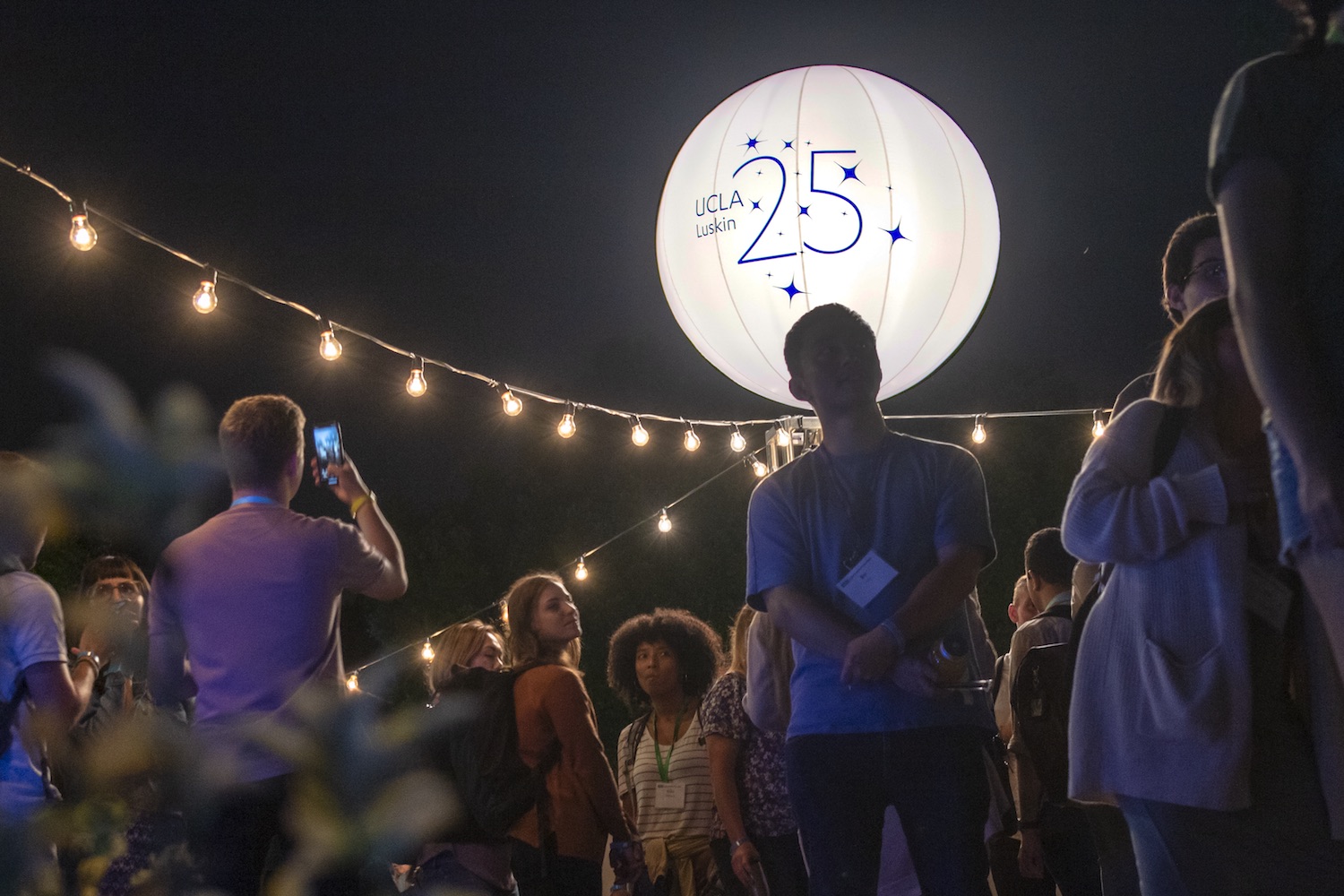
A record crowd gathered at UCLA Luskin's Block Party in September
A record crowd gathered at UCLA Luskin's Block Party in September. Photo by Les Dunseith

Posted in

  • School of Public Affairs

Published on

  • January 6, 2020
  • Public Policy, Social Welfare, undergraduate, Urban Planning

Share this Article

By Mary Braswell 

In a landmark year for UCLA, the celebration may be loudest in the northwest corner of campus, home to the Luskin School of Public Affairs.

This year marks both the university’s centennial and the Luskin School’s silver anniversary — a quarter-century dedicated to advancing the public good through teaching, research, advocacy and innovation.

It’s clearly a time to party, and a record 620 students, alumni, faculty, staff and friends answered the call in September, gathering at the annual Block Party to raise a toast to UCLA Luskin. But it’s also a time to reflect on lessons from an initially rocky union and, most importantly, to create a roadmap for the future.

As 2020 dawns, Dean Gary Segura is confident that a collaborative spirit among the three pillars of planning, policymaking and social welfare will invigorate UCLA Luskin and extend its reach into the community, nation and world.

“What ties us together as a School is our focus on human well-being, broadly conceived,” Segura said. “The Luskin faculty have received Ph.D.s from 14 different fields of study. Our disciplines may encourage us to focus on well-being at the individual, family, community, metropolitan, polity or even global levels of analysis. But what we share in common is the conviction that social fabrics and social institutions are best when they facilitate human security, dignity and opportunity.”

In the three years since Segura’s arrival, the School has seen remarkable growth. A signature achievement is the creation of an undergraduate major in public affairs, which melds critical thinking, experiential learning, research methodology and a public service ethos. More than 250 students have already come on board.

The undergraduate curriculum draws in faculty from every UCLA Luskin program, all with the common goal of providing a holistic, transdisciplinary public affairs education. As part of that effort, explorations are underway for an additional degree: the executive master’s in public affairs, designed to equip professionals and public servants to step into leadership positions.

Expanding knowledge is at the core, fueled by the scholarship of faculty and a wide range of research centers. In just over two years, UCLA Luskin has launched several new ventures:

• Latino Policy and Politics Initiative combines policy analysis with civic engagement, and recently received $2.5 million in support from the California Legislature.

• International Development and Policy Outreach focuses on research aimed at empowering women and children around the world.

• Latin American Cities Initiative, commonly known as Ciudades, builds ties among planners and policymakers across the Americas.

This year, they will be joined by the Hub for Health Innovation, Policy and Practice, which conducts research to improve community health, particularly among the LGBTQ population and other marginalized groups. In addition, the School expects to launch a global policy initiative to foster safe and welcoming schools and communities to demonstrate that good science can be used to better the lives of students around the world.

The schools initiative will be directed by Professor Ron Avi Astor, an internationally recognized expert on school safety and violence, who joined the faculty in Social Welfare this academic year. His appointment is part of an effort by Segura to broaden the faculty’s expertise and diversity. Of the 19 faculty appointments Segura has made, 14 are women and 12 are people of color.

“Our School is now one of the most diverse and interdisciplinary units in the University of California system,” Segura said. “We are growing in a way that reflects the state’s diverse and dynamic population, and this makes us profoundly well-positioned to engage, educate and contribute to the world around us.”

That commitment to reach beyond the campus was underscored in April 2019 at the first Luskin Summit, a cross-sector conference bringing public officials, civic leaders, philanthropists and other advocates together with UCLA Luskin’s faculty — all in pursuit of a “Livable L.A.”

The summit, which officially launched the School’s 25th anniversary celebration, will return to campus April 22 under the unifying theme “A Call to Action.” Participants will search for solutions to problems centering on housing, immigration, health, education and — fittingly, as the summit will take place on Earth Day — sustainability.

The legacy of doing good reaches far past the quarter-century mark, of course. Social Welfare’s graduate program dates to 1947. Urban planning at UCLA launched in 1969 in conjunction with architecture. A newly created public policy program was added in 1994, in what many viewed at the time as a shotgun marriage.

The new School of Public Policy and Social Research emerged in an era of reckoning triggered by post-recession budget cutbacks. Among other belt-tightening measures to contend with a loss of tens of millions of dollars in state support, UCLA decided to reconfigure all of its professional schools.

The early years were unsettled, as three disparate entities forged their identity under one roof. Many people believed the merger damaged the stature of respected programs and UCLA overall. Some questioned the motives of university leadership, and others were determined to preserve their departments as singular entities rather than seeking a cohesive whole.

“It wasn’t a happy transition,” said Allan Heskin, an urban planning professor at the time. “They didn’t take a vote and ask us.”

Longtime staff member Marsha Brown B.A. ’70 said that the late professor John Friedmann was the urban planning department chair at the time. He asked Brown to take a walk with him. “And he said, ‘They are going to be splitting urban planning and architecture and forming a new school.’ It was shocking.”

The move was very controversial. “People were really very upset about it and writing letters of protest,” she said.

“Quite frankly, a lot of us were really fairly strongly alienated by the decision,” alumnus Jeffry Carpenter recalled. “There was a superficial presumption on the part of university administration that there was some sort of linkage or relationship there that they imagined should exist. It is not so much of a relationship because the actual practice tends to be very, very different.”

Gerry Laviña, director of social welfare field education at UCLA Luskin, also had a front-row seat for the School’s difficult birth.

“There was a lot of anger among both faculty and students,” recalled Laviña, who earned his master’s in social welfare in 1988, then joined the field faculty in 1993. “What would this mean for our MSW? Would we be seen as lesser than?”

But he added, “What started out as a forced venture became a beautiful outcome.”

Over the years, resentments have faded, faculty from different disciplines have increasingly sought to learn from one another, and students have benefited from a wider array of cross-departmental resources.

“We know relationships, organizations, people need time to grow and come together as one,” Laviña said. “I don’t know if we’re fully there yet, but we’re so much better than we were even five years ago. I look forward to the next five years and beyond.”

Throughout the early years, there was one consensus: Very few cared for the new school’s name or awkward acronym, SPPSR. They lived with it until being rechristened in September 2004 as the UCLA School of Public Affairs. In 2011, the current name — the Meyer and Renee Luskin School of Public Affairs — came along with a transformative gift of $50 million that brought the resources and ambition to launch a period of expansion and innovation.

At the Block Party, benefactor Renee Luskin reflected on the journey.

“I want to express how much it means to Meyer and myself to be connected to such an outstanding school here at UCLA,” she said, thanking the faculty, staff, students and advisors for their unflagging passion and dedication. “As they say,” she concluded, “we’ve come a long way, baby.”
 

Faculty Mentioned in this Article
Gary-Segura-profile-e1515200047412

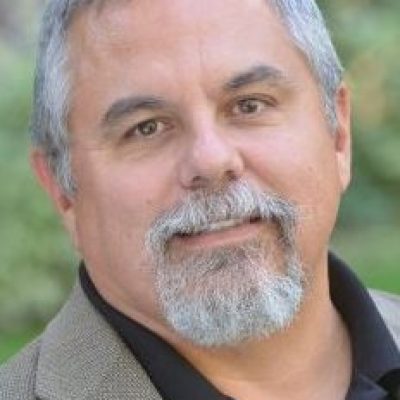
Gary M. Segura

Professor of Public Policy, Political Science, and Chicano and Chicana Studies

Gary Segura served as the Dean of the Luskin School of Public Affairs at UCLA from January 2017 to December...

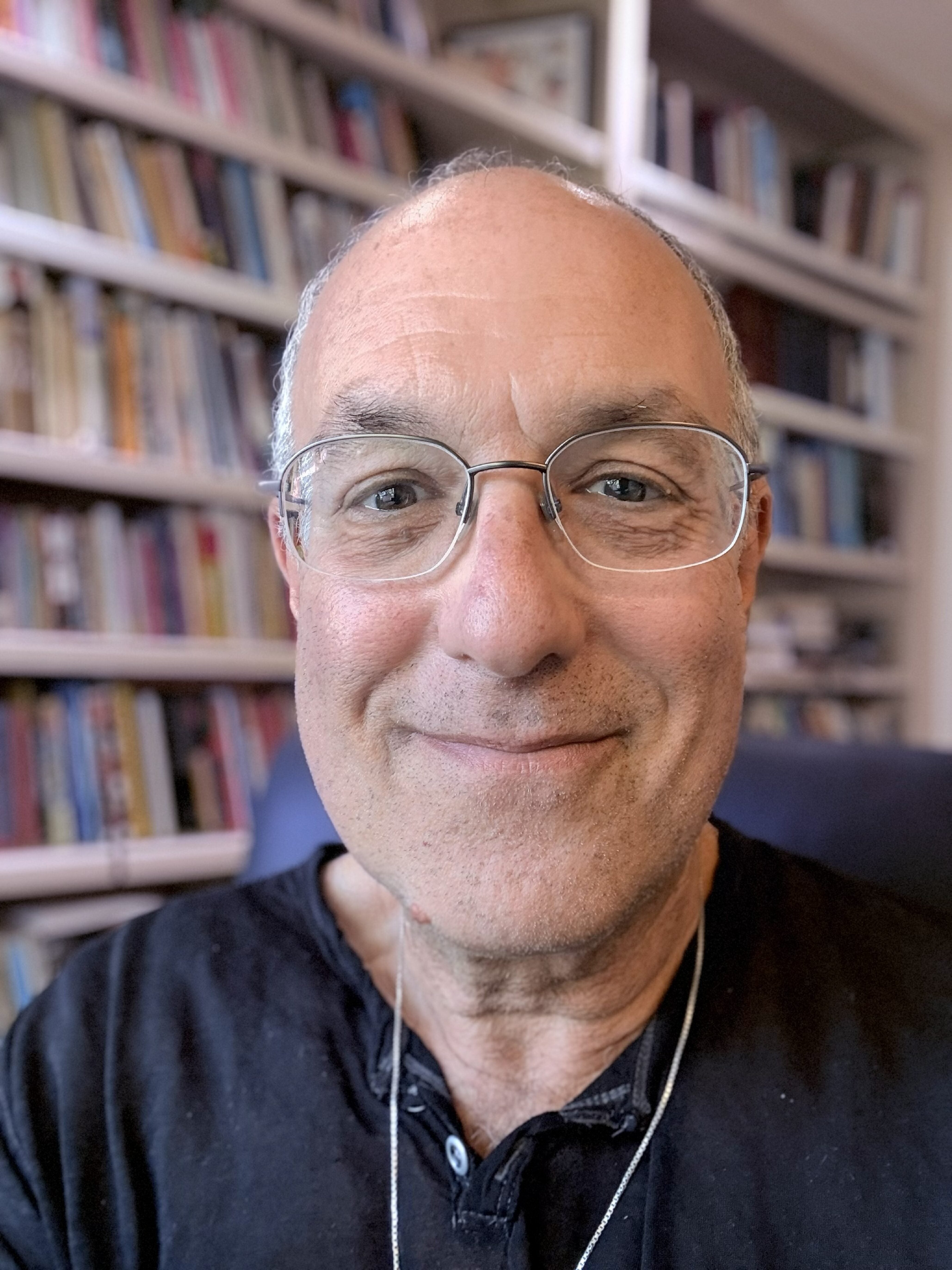
Ron Avi Astor

Professor of Social Welfare

Ron Avi Astor holds the Marjorie Crump Chair Professorship in Social Welfare at the UCLA Luskin School of Public Affairs...

Related Articles

Front entrance of Luskin School of Public Affairs

Luskin Faculty Recognized Among World’s Top 2% of Scientists

November 2, 2026
Luskin's Latest Blog

UCLA Luskin School of Public Affairs faculty members have been recognized in the 2026 Stanford-Elsevier Top...

Read More
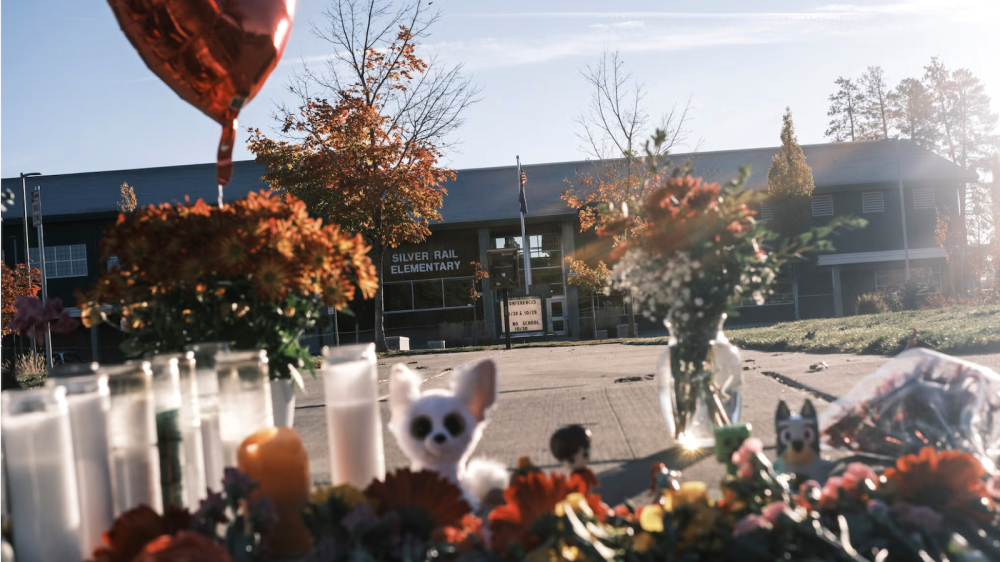
flowers, candles, stuffed animals with school building in background

School Shootings Are Down, But Perceptions Stoke Fear

October 19, 2026
Luskin in the News
Read More
A low angle view of a long line of people waitng to vote in the elections.

As Polls Show Latino Disenchantment, True Test Comes on Election Day

October 9, 2026
Luskin in the News
Read More
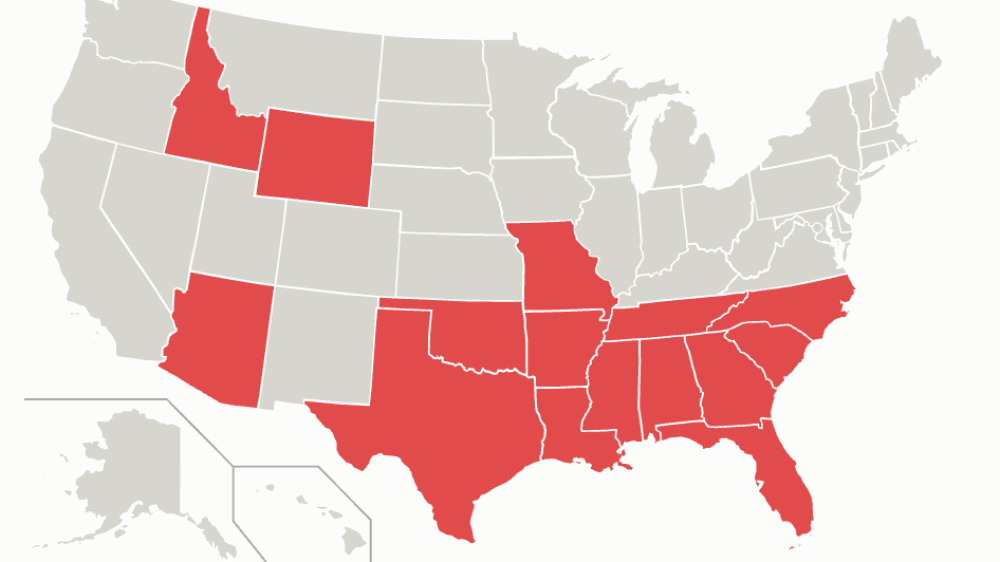
map of USA with red highlighted states.

Ron Astor Weighs In on the Persistence of School Paddling in the New York Sun

September 21, 2026
Luskin in the News
Read More
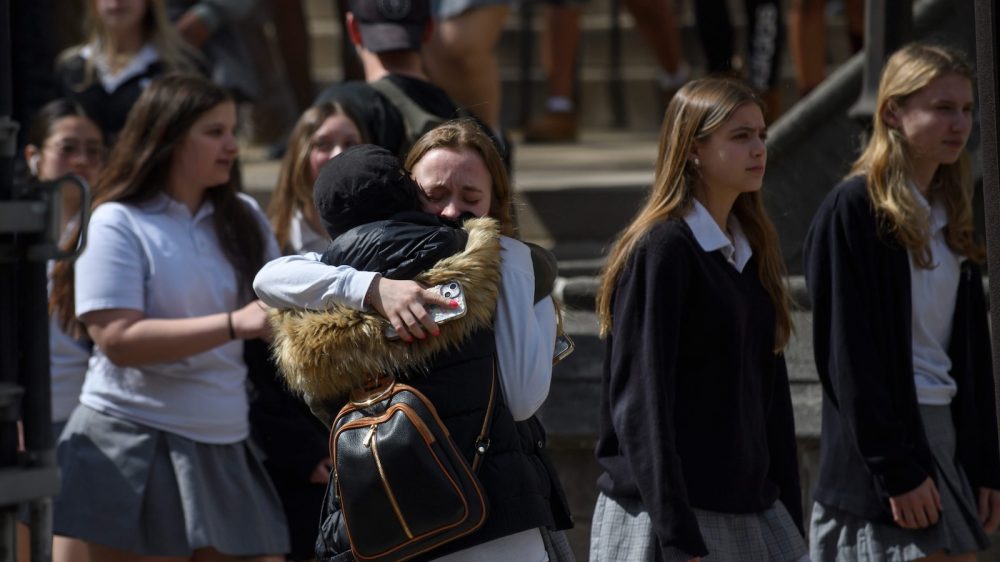
female students hug

A Painful Realization About What’s Behind School Shootings

July 31, 2026
Luskin in the News
UCLA Luskin's Ron Avi Astor says improving campus climate can only go so far in a...
Read More
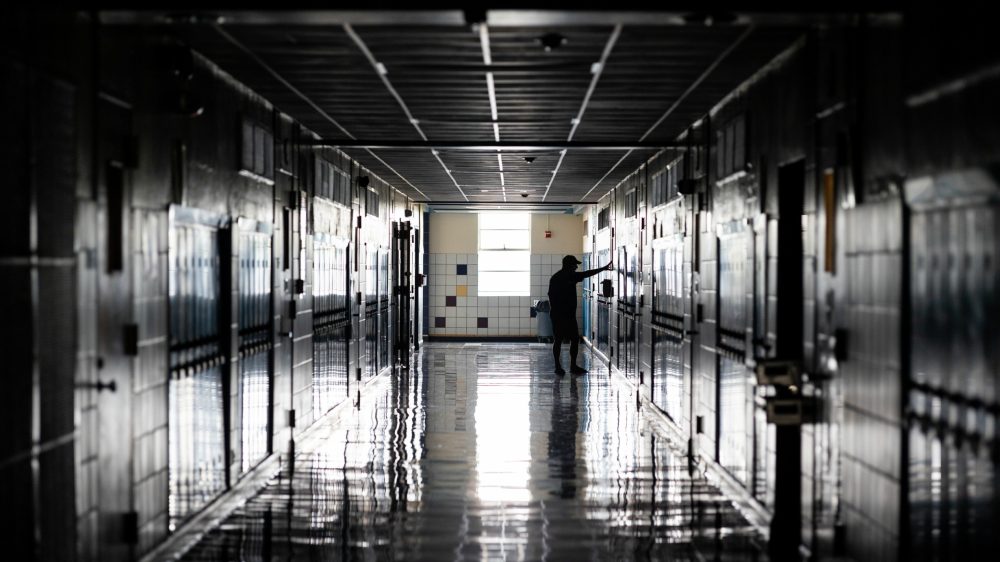
Dimly lit hallway of a high school, with lockers on either side, a man stands with his arms out touching a wall, conveying sadness.

Astor Weighs In on Investigation Following Fatal Graduation Shooting

June 22, 2026
Luskin in the News
Ron Avi Astor discusses the unusual lack of information released following a fatal shooting after a...
Read More
Learn more about UCLA Luskin

Find contact information and get answers to your questions.

Contact Us

Public Affairs Building
337 Charles E. Young Drive East
Los Angeles, California 90095

Linkedin Youtube Instagram Facebook X-twitter
Campus Resources
  • Map, Directions, Parking
  • Directory
  • Academic Calendar
  • Careers
  • Map, Directions, Parking
  • Directory
  • Academic Calendar
  • Careers
School Resources
  • About
  • Our Dean
  • Administration
  • Luskin School Intranet
  • Board of Advisors
  • Contact Us
  • Visit Us
  • About
  • Our Dean
  • Administration
  • Luskin School Intranet
  • Board of Advisors
  • Contact Us
  • Visit Us
UCLA logo
© 2026 Regents of the University of California
  • Emergency
  • Accessibility
  • Privacy & Terms of Use
  • Emergency
  • Accessibility
  • Privacy & Terms of Use
Facebook Instagram Linkedin X-twitter Youtube Threads
UCLA Luskin School of Public Affairs Logo
Academics
Departments
  • Global Public Affairs
  • Public Policy
  • Real Estate Development
  • Social Welfare
  • Urban Planning
  • Undergraduate Program
  • Global Public Affairs
  • Public Policy
  • Real Estate Development
  • Social Welfare
  • Urban Planning
  • Undergraduate Program
Graduate Programs
  • Master of Global Public Affairs (MGPA)
  • Master of Public Policy (MPP)
  • Master of Real Estate Development (MRED)
  • Master of Social Welfare (MSW)
  • Master of Urban and Regional Planning (MURP)
  • PhD in Social Welfare
  • PhD in Urban Planning
  • Master of Global Public Affairs (MGPA)
  • Master of Public Policy (MPP)
  • Master of Real Estate Development (MRED)
  • Master of Social Welfare (MSW)
  • Master of Urban and Regional Planning (MURP)
  • PhD in Social Welfare
  • PhD in Urban Planning
Undergraduate Programs
  • BA in Public Affairs
  • Minor in Urban and Regional Studies
  • Minor in Gerontology
  • Minor in Public Affairs
  • BA in Public Affairs
  • Minor in Urban and Regional Studies
  • Minor in Gerontology
  • Minor in Public Affairs
Professional Certificates
  • AI in Public Affairs Certificate
  • AI in Public Affairs Certificate
Admissions
Program Specific Admissions
  • Global Public Affairs
  • Public Policy
  • Real Estate Development
  • Social Welfare
  • Urban Planning
  • Undergraduate Program
  • Global Public Affairs
  • Public Policy
  • Real Estate Development
  • Social Welfare
  • Urban Planning
  • Undergraduate Program
Faculty
Our Faculty
  • All Faculty
  • Public Policy
  • Real Estate Development
  • Social Welfare
  • Urban Planning
  • All Faculty
  • Public Policy
  • Real Estate Development
  • Social Welfare
  • Urban Planning
Leadership
  • Our Dean
  • Board of Advisors
  • Faculty Executive Committee
  • Our Dean
  • Board of Advisors
  • Faculty Executive Committee
Research Centers
  • Agile Visual Analytics Lab (AVAL)

    Empowers stakeholders with data to make informed decisions for children, families, and communities.

  • Berggruen Governance Index

    Evaluates the quality of political governance and democracy worldwide.

  • Center for Neighborhood Knowledge (CNK)

    Specializes in spatial analysis of socioeconomic disparities in neighborhoods.

  • Center for Policy Research on Aging (CPRA)

    Explores the societal and policy implications of an aging population.

  • Institute of Transportation Studies (ITS)

    Advances research, education, and meaningful civic engagement on transportation issues.

  • Institute on Inequality and Democracy

    Advances scholarship that confronts threats to democracy in America and around the world.

  • Latin American Cities Initiative

    Connects urban planning and policy networks across the Americas.

  • Latino Policy & Politics Institute (LPPI)

    Addresses policy challenges facing Latinos and communities of color.

  • Lewis Center for Regional Policy Studies

    Studying housing affordability and transportation equity in the L.A. region.

  • Los Angeles Education Research Institute (LAERI)

    Collaborates with schools to improve educational outcomes for L.A. students.

  • Luskin Center for Innovation

    Informing effective and equitable environmental policy that improves lives.

  • UCLA Voting Rights Project

    The flagship project for voting rights litigation and policy research.

All Research Centers
Outcomes
Common Search Terms

Results will show as you type.