Skip to content
  • Students & Alumni
    • Career Services
    • Alumni Relations
    • Student Support
    • Graduate Resource Library
    • For Employers
  • News
  • Events
    • Events Calendar
    • Luskin Summit
    • Luskin Lecture Series
    • California Policy Briefing
    • Commencement
  • Students & Alumni
    • Career Services
    • Alumni Relations
    • Student Support
    • Graduate Resource Library
    • For Employers
  • News
  • Events
    • Events Calendar
    • Luskin Summit
    • Luskin Lecture Series
    • California Policy Briefing
    • Commencement
Giving
UCLA Luskin School of Public Affairs Logo
  • Academics
    Departments & Programs
    • Global Public Affairs
    • Public Policy
    • Real Estate Development
    • Social Welfare
    • Urban Planning
    • Undergraduate Program
    • Global Public Affairs
    • Public Policy
    • Real Estate Development
    • Social Welfare
    • Urban Planning
    • Undergraduate Program
    Graduate Degrees
    • Master of Global Public Affairs (MGPA)
    • Master of Public Policy (MPP)
    • Master of Real Estate Development (MRED)
    • Master of Social Welfare (MSW)
    • Master of Urban and Regional Planning (MURP)
    • PhD in Social Welfare
    • PhD in Urban Planning
    • Master of Global Public Affairs (MGPA)
    • Master of Public Policy (MPP)
    • Master of Real Estate Development (MRED)
    • Master of Social Welfare (MSW)
    • Master of Urban and Regional Planning (MURP)
    • PhD in Social Welfare
    • PhD in Urban Planning
    Undergraduate Degrees
    • BA in Public Affairs
    • Minor in Urban and Regional Studies
    • Minor in Gerontology
    • Minor in Public Affairs
    • BA in Public Affairs
    • Minor in Urban and Regional Studies
    • Minor in Gerontology
    • Minor in Public Affairs
    Professional Certificates
    • AI in Public Affairs Certificate
    • AI in Public Affairs Certificate
  • Admissions
    Program Specific Admissions
    • Global Public Affairs
    • Public Policy
    • Real Estate Development
    • Social Welfare
    • Urban Planning
    • Undergraduate Program
    • Global Public Affairs
    • Public Policy
    • Real Estate Development
    • Social Welfare
    • Urban Planning
    • Undergraduate Program
  • Faculty
    Our Faculty
    • All Faculty
    • Public Policy
    • Real Estate Development
    • Social Welfare
    • Urban Planning
    • All Faculty
    • Public Policy
    • Real Estate Development
    • Social Welfare
    • Urban Planning
    Leadership
    • Our Dean
    • Board of Advisors
    • Faculty Executive Committee
    • Our Dean
    • Board of Advisors
    • Faculty Executive Committee
  • Research Centers
    • Agile Visual Analytics Lab (AVAL)

      Empowers stakeholders with data to make informed decisions for children, families, and communities.

    • Berggruen Governance Index

      Evaluates the quality of political governance and democracy worldwide.

    • Center for Neighborhood Knowledge (CNK)

      Specializes in spatial analysis of socioeconomic disparities in neighborhoods.

    • Center for Policy Research on Aging (CPRA)

      Explores the societal and policy implications of an aging population.

    • Institute of Transportation Studies (ITS)

      Advances research, education, and meaningful civic engagement on transportation issues.

    • Institute on Inequality and Democracy

      Advances scholarship that confronts threats to democracy in America and around the world.

    • Latin American Cities Initiative

      Connects urban planning and policy networks across the Americas.

    • Latino Policy & Politics Institute (LPPI)

      Addresses policy challenges facing Latinos and communities of color.

    • Lewis Center for Regional Policy Studies

      Studying housing affordability and transportation equity in the L.A. region.

    • Los Angeles Education Research Institute (LAERI)

      Collaborates with schools to improve educational outcomes for L.A. students.

    • Luskin Center for Innovation

      Informing effective and equitable environmental policy that improves lives.

    • UCLA Voting Rights Project

      The flagship project for voting rights litigation and policy research.

    All Research Centers
  • Outcomes
Home / News / Perseverance Amid the Pandemic

Perseverance Amid the Pandemic

UCLA Luskin alumni social workers reveal some fear and frustration and a whole lot of dedication
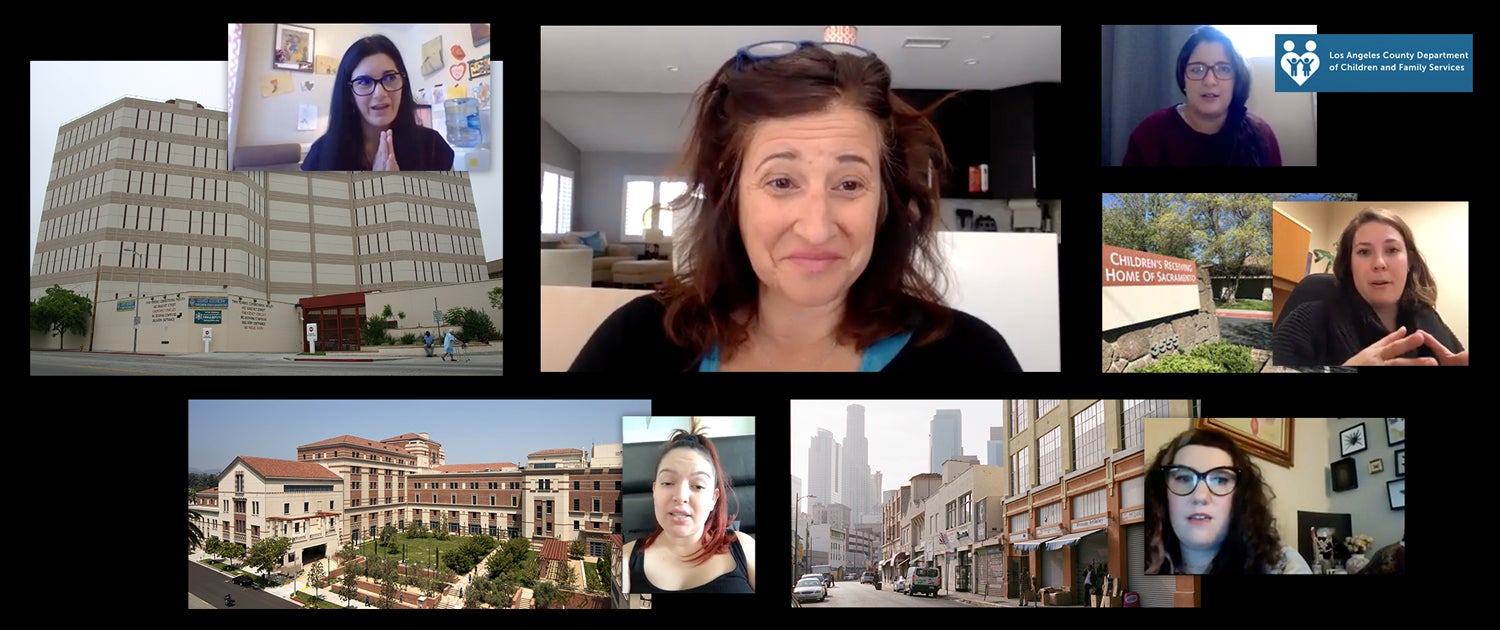
A mosaic of images shows Laura Abrams, center, and some of the UCLA Luskin alumni social workers whom she interviewed about their work during the COVID-19
A mosaic of images shows Laura Abrams, center, and some of the UCLA Luskin alumni social workers whom she interviewed about their work during the COVID-19 pandemic.

Posted in

  • Alumni, Education, Health Care, School of Public Affairs, Social Welfare, Undergraduates

Published on

  • April 15, 2020
  • COVID-19, education, government, health

Share this Article

By Les Dunseith

Social workers. They are still out there.

They still walk Skid Row despite the COVID-19 pandemic. They still go to homes where children are in need. They still report to work at hospitals where patients die alone and families need to be located and told. It’s their job — their essential job — and they’re still doing it despite extraordinary circumstances that are making already difficult roles even more challenging.

“On a personal level, these social workers are making sacrifices of their own health, and potentially the health of their families, in order to continue to serve,” said Laura Abrams, professor of social welfare. “They know that they’re taking that risk, but they feel like it’s important to them. It’s their responsibility.”

Founded in 1947, the UCLA program is widely known and highly respected, particularly in California, where most of the 90 to 100 graduates each year go to work for city, county or state social services agencies.

Abrams, who is chair of social welfare at the UCLA Luskin School of Public Affairs, knows this because she’s been talking to some of them, connecting with alumni of her program for Zoom calls to find out how they are doing.

What is it like for social workers right now?
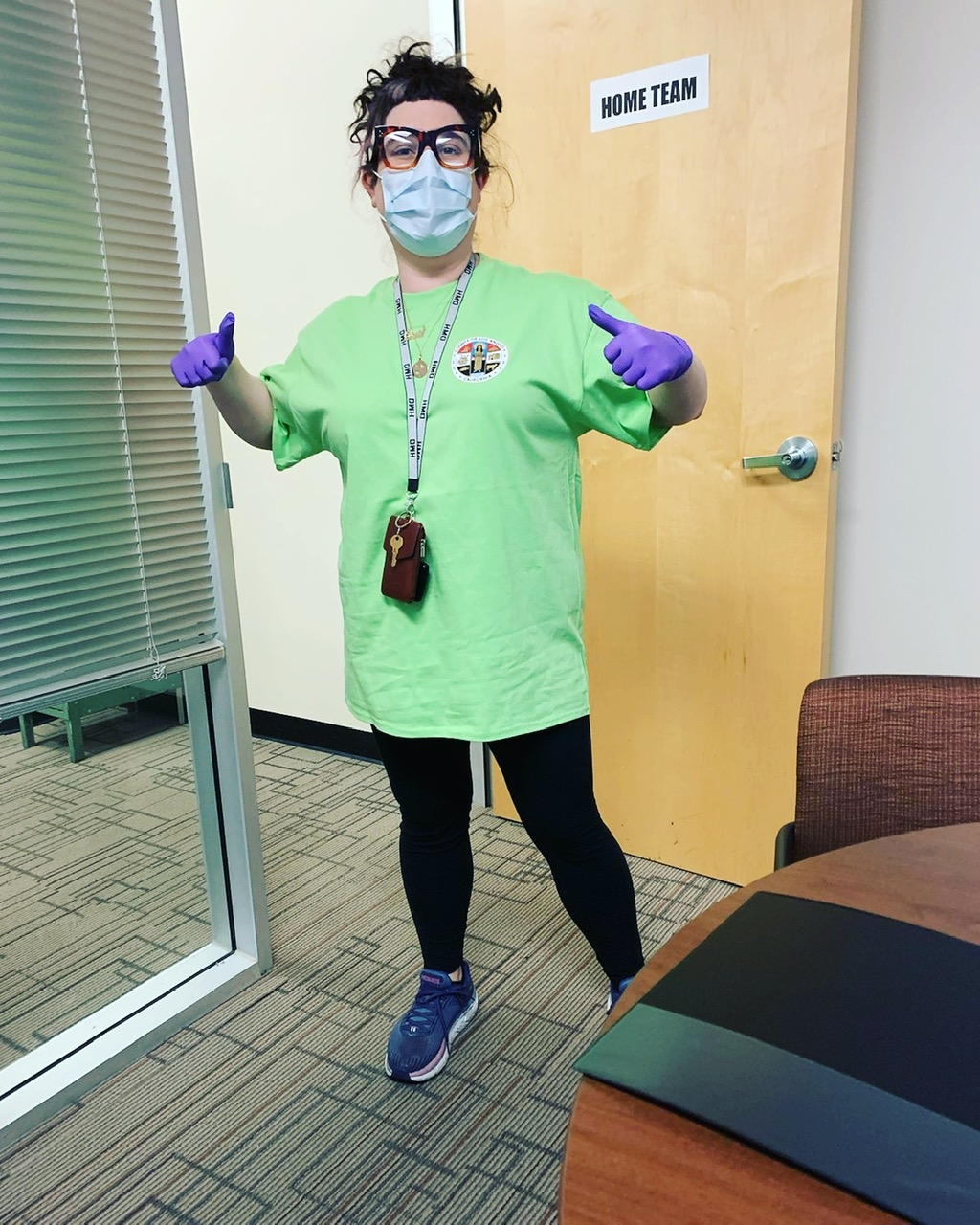
Lavit Maas in her personal protective gear.

Lavit Maas, who graduated in 2010 with her master’s in social welfare, works for the Los Angeles County Department of Mental Health’s Homeless Outreach and Mobility Engagement team, which provides care on Skid Row in downtown Los Angeles for homeless people with severe mental illness. Maas works with people who are among the most vulnerable to COVID-19.

“There’s a lot of elderly on Skid Row,” she told Abrams. “There’s a lot of people with medical conditions. It’s terrifying because we don’t know what to do [for them]. It makes me sad.”

Gabby Peraza, a 2019 master’s in social welfare graduate, works with foster youth as part of her job with the county department of children and family services. Soon after the safer at home order was issued, she encountered a young girl who needed to be transferred to a new placement but was frightened by Peraza’s protective gear. The child cowered in fear, hiding behind a foster parent.

“I had to make the decision. I’m either going to have a kid crying with me — and forcing that kid into a car with me,” Peraza recalled. “I said, ‘All right, I’m going to take this mask off, take these gloves off, and just engage with this kid.’ ”

Abrams has been recording her video interviews, and they are being edited for privacy and clarity before being posted for educational purposes on a showcase page maintained by the Luskin School. [Or scroll to the bottom to view.] So far, eight interviews have been completed and three have been posted publicly. In all, Abrams expects to do at least eight, with interviewees who reflect the broad swath of roles in which social workers are employed.

The idea came to Abrams soon after she and her family moved inside to comply with the social distancing order that was issued March 19 in Los Angeles County.

“I felt very disconnected from what was happening out in the real world,” Abrams said.

A conversation about the impact that the coronavirus pandemic was having on a close friend in a medical career led Abrams to realize that few people were thinking about her former and current students in UCLA’s social welfare program. She knew they were being affected too, but how? So she reached out on Facebook to see if anyone wanted to talk.

“Social workers, they’re playing a vital role in this pandemic,” said Abrams, noting that they interact with people at the margins of society who are often overlooked by the general public and in media reports. “What’s happening out in the community, especially with really vulnerable populations like homeless folks or people in the jails or children in foster care?”

Abrams said she has learned a lot from the Zoom calls. For one thing, the feeling of personal safety varies from person to person and job to job. A social worker in a hospital, for example, said she had access to personal protective equipment and felt safe. But those who work for government agencies, however, said they were fearful about their level of protection from the novel coronavirus.

Many social workers said they are facing unexpected dilemmas, and “working in spaces in which their clients are not getting what they need,” Abrams said. For example, an alumna who works in a correctional facility observed that people being imprisoned there were not given proper access to soap and water so they could comply with orders to frequently wash their hands.

A surprise from her interviews was discovering that some facilities and social services are actually being underutilized at the moment. The number of cases being handled is less than usual for Peraza and for Madison Hayes, another 2019 master’s in social welfare graduate, who works in Sacramento at a shelter for foster youth. For both, the decline in cases mirrors a steep drop-off in calls to crisis hotlines and a lack of referrals from the mandatory reporters at public schools.

“We know that things like abuse and other family problems are probably increasing, but calls … are decreasing so dramatically,” Abrams said. “Child protection is basically falling apart because there’s no window to the outside world.”

Gabby Peraza was a student commencement speaker in 2019.

Talking to social workers in the field has also reminded Abrams of the inequities that always exist in society.

“Access to health care: What does that mean?” Abrams asked. “Access to even having a home, to being sheltered? I am seeing the racial disparities and seeing the ways that the haves and the have-nots have different levels of access at this time.”

The interviews have also reminded Abrams of one other important — and more hopeful — aspect of society. People keep doing their jobs despite the risks involved.

“We all knew coming into this career that there’s always going to be a risk,” Peraza told Abrams about what it’s like to be a social worker during this crisis. “We just didn’t think it was going to be this type of risk.”

Peraza said it’s not about herself, it’s about the children and the families she serves.

Maas acknowledged the risks to her own health and the fear of getting infected and passing the virus along to a colleague or loved one. But there is work to be done.

“I love being a social worker and, to me, service is the only thing that matters,” Maas said. “Of course, you can’t be of service if you can’t protect yourself. I know that. But, especially in a time like this, I have to be of service.



Related Articles

Downtown LA just after sunset during blue hour, captured from a helicopter point of view with lighted City Hall building.

UCLA Grants Deepen Ties to the L.A. Community

March 17, 2025
Public Policy
Projects by Luskin faculty will build collaboration among scholars, students and local partners....
Read More
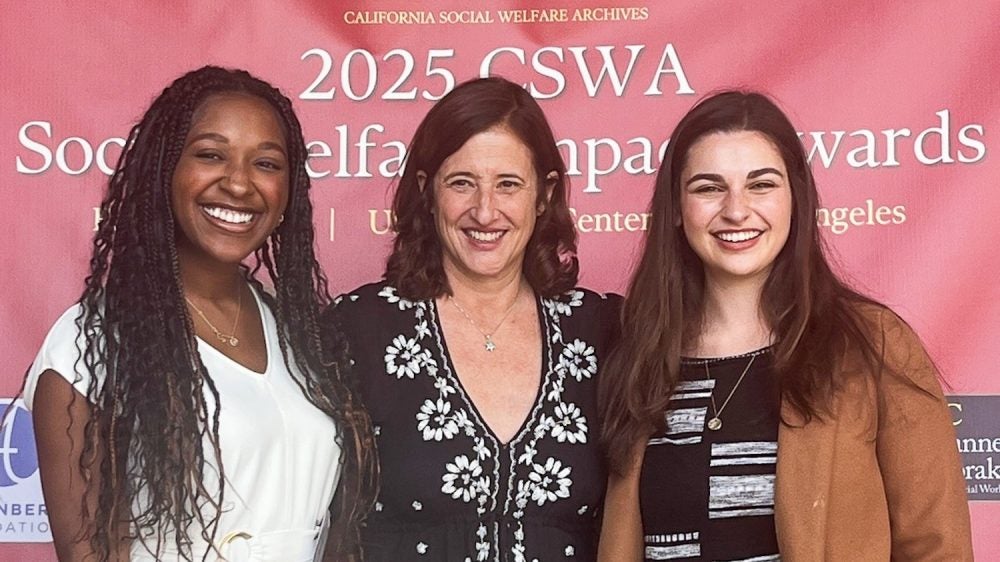
Professor Laura Abrams, center, at the CSWA ceremony with her doctoral students Taylor Reed, left, and Julia Lesnick

Honors for UCLA Luskin Social Welfare Professor and Alumna

March 4, 2025
Luskin's Latest Blog
Professor Laura Abrams and alumna Aurea Montes-Rodriguez are recognized by the California Social Welfare Archives....
Read More
LAbrmsIncarc1

Abrams on the Decline of Juvenile Incarceration in the United States

February 26, 2025
Luskin in the News
People who are incarcerated at young ages for longer periods of time are less likely to...
Read More
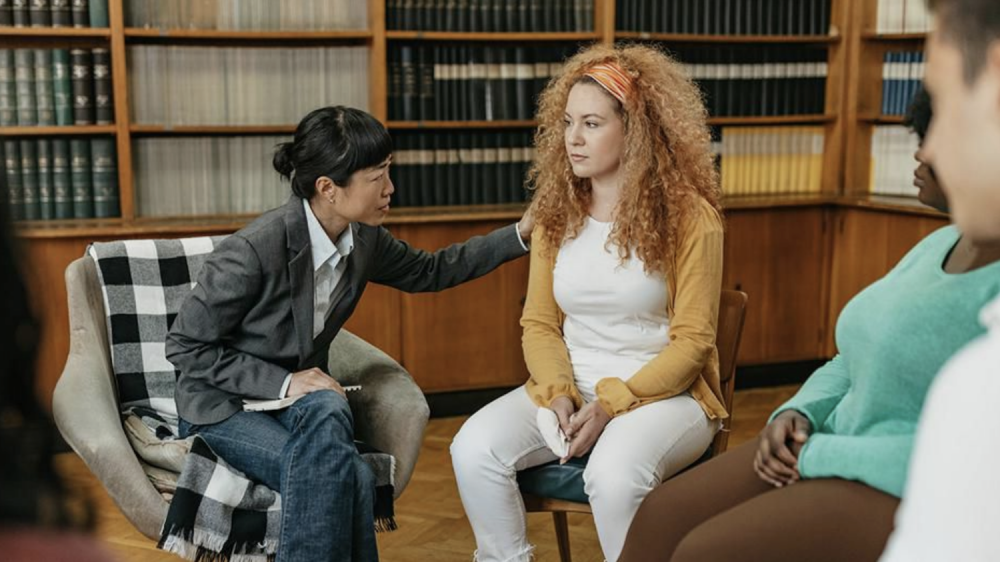
Two people seated in circle of people

Abrams on Promoting Justice for Troubled Youth

February 7, 2025
Luskin in the News
At universities around the country, social workers are being trained in more holistic strategies and practices...
Read More
Photo by fotojog/iStock

New Study Provides First Nationwide Window on Juvenile Lifer Population

June 13, 2024
School of Public Affairs
New study is the first to supply concrete numbers and a full demographic profile of the...
Read More
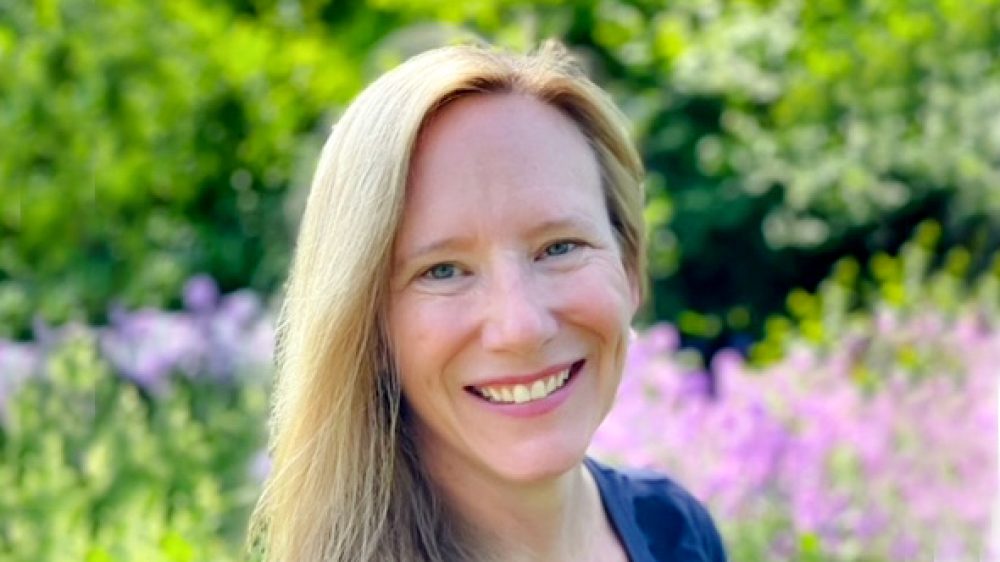
photo of woman with blond hair in front of flowering plants

Poco Kernsmith Appointed New Chair of Social Welfare

April 29, 2024
Alumni
UCLA Luskin alumna will return to her doctoral alma mater this summer as chair and professor....
Read More
Learn more about UCLA Luskin

Find contact information and get answers to your questions.

Contact Us

Public Affairs Building
337 Charles E. Young Drive East
Los Angeles, California 90095

Linkedin Youtube Instagram Facebook X-twitter
Campus Resources
  • Map, Directions, Parking
  • Directory
  • Academic Calendar
  • Careers
  • Map, Directions, Parking
  • Directory
  • Academic Calendar
  • Careers
School Resources
  • About
  • Our Dean
  • Administration
  • Luskin School Intranet
  • Board of Advisors
  • Contact Us
  • Visit Us
  • About
  • Our Dean
  • Administration
  • Luskin School Intranet
  • Board of Advisors
  • Contact Us
  • Visit Us
UCLA logo
© 2026 Regents of the University of California
  • Emergency
  • Accessibility
  • Privacy & Terms of Use
  • Emergency
  • Accessibility
  • Privacy & Terms of Use
Facebook Instagram Linkedin X-twitter Youtube Threads
UCLA Luskin School of Public Affairs Logo
Academics
Departments
  • Global Public Affairs
  • Public Policy
  • Real Estate Development
  • Social Welfare
  • Urban Planning
  • Undergraduate Program
  • Global Public Affairs
  • Public Policy
  • Real Estate Development
  • Social Welfare
  • Urban Planning
  • Undergraduate Program
Graduate Programs
  • Master of Global Public Affairs (MGPA)
  • Master of Public Policy (MPP)
  • Master of Real Estate Development (MRED)
  • Master of Social Welfare (MSW)
  • Master of Urban and Regional Planning (MURP)
  • PhD in Social Welfare
  • PhD in Urban Planning
  • Master of Global Public Affairs (MGPA)
  • Master of Public Policy (MPP)
  • Master of Real Estate Development (MRED)
  • Master of Social Welfare (MSW)
  • Master of Urban and Regional Planning (MURP)
  • PhD in Social Welfare
  • PhD in Urban Planning
Undergraduate Programs
  • BA in Public Affairs
  • Minor in Urban and Regional Studies
  • Minor in Gerontology
  • Minor in Public Affairs
  • BA in Public Affairs
  • Minor in Urban and Regional Studies
  • Minor in Gerontology
  • Minor in Public Affairs
Professional Certificates
  • AI in Public Affairs Certificate
  • AI in Public Affairs Certificate
Admissions
Program Specific Admissions
  • Global Public Affairs
  • Public Policy
  • Real Estate Development
  • Social Welfare
  • Urban Planning
  • Undergraduate Program
  • Global Public Affairs
  • Public Policy
  • Real Estate Development
  • Social Welfare
  • Urban Planning
  • Undergraduate Program
Faculty
Our Faculty
  • All Faculty
  • Public Policy
  • Real Estate Development
  • Social Welfare
  • Urban Planning
  • All Faculty
  • Public Policy
  • Real Estate Development
  • Social Welfare
  • Urban Planning
Leadership
  • Our Dean
  • Board of Advisors
  • Faculty Executive Committee
  • Our Dean
  • Board of Advisors
  • Faculty Executive Committee
Research Centers
  • Agile Visual Analytics Lab (AVAL)

    Empowers stakeholders with data to make informed decisions for children, families, and communities.

  • Berggruen Governance Index

    Evaluates the quality of political governance and democracy worldwide.

  • Center for Neighborhood Knowledge (CNK)

    Specializes in spatial analysis of socioeconomic disparities in neighborhoods.

  • Center for Policy Research on Aging (CPRA)

    Explores the societal and policy implications of an aging population.

  • Institute of Transportation Studies (ITS)

    Advances research, education, and meaningful civic engagement on transportation issues.

  • Institute on Inequality and Democracy

    Advances scholarship that confronts threats to democracy in America and around the world.

  • Latin American Cities Initiative

    Connects urban planning and policy networks across the Americas.

  • Latino Policy & Politics Institute (LPPI)

    Addresses policy challenges facing Latinos and communities of color.

  • Lewis Center for Regional Policy Studies

    Studying housing affordability and transportation equity in the L.A. region.

  • Los Angeles Education Research Institute (LAERI)

    Collaborates with schools to improve educational outcomes for L.A. students.

  • Luskin Center for Innovation

    Informing effective and equitable environmental policy that improves lives.

  • UCLA Voting Rights Project

    The flagship project for voting rights litigation and policy research.

All Research Centers
Outcomes
Common Search Terms

Results will show as you type.