Skip to content
  • Students & Alumni
    • Career Services
    • Alumni Relations
    • Student Support
    • Graduate Resource Library
    • For Employers
  • News
  • Events
    • Events Calendar
    • Luskin Summit
    • Luskin Lecture Series
    • California Policy Briefing
    • Commencement
  • Students & Alumni
    • Career Services
    • Alumni Relations
    • Student Support
    • Graduate Resource Library
    • For Employers
  • News
  • Events
    • Events Calendar
    • Luskin Summit
    • Luskin Lecture Series
    • California Policy Briefing
    • Commencement
Giving
UCLA Luskin School of Public Affairs Logo
  • Academics
    Departments & Programs
    • Global Public Affairs
    • Public Policy
    • Real Estate Development
    • Social Welfare
    • Urban Planning
    • Undergraduate Program
    • Global Public Affairs
    • Public Policy
    • Real Estate Development
    • Social Welfare
    • Urban Planning
    • Undergraduate Program
    Graduate Degrees
    • Master of Global Public Affairs (MGPA)
    • Master of Public Policy (MPP)
    • Master of Real Estate Development (MRED)
    • Master of Social Welfare (MSW)
    • Master of Urban and Regional Planning (MURP)
    • PhD in Social Welfare
    • PhD in Urban Planning
    • Master of Global Public Affairs (MGPA)
    • Master of Public Policy (MPP)
    • Master of Real Estate Development (MRED)
    • Master of Social Welfare (MSW)
    • Master of Urban and Regional Planning (MURP)
    • PhD in Social Welfare
    • PhD in Urban Planning
    Undergraduate Degrees
    • BA in Public Affairs
    • Minor in Urban and Regional Studies
    • Minor in Gerontology
    • Minor in Public Affairs
    • BA in Public Affairs
    • Minor in Urban and Regional Studies
    • Minor in Gerontology
    • Minor in Public Affairs
    Professional Certificates
    • AI in Public Affairs Certificate
    • AI in Public Affairs Certificate
  • Admissions
    Program Specific Admissions
    • Global Public Affairs
    • Public Policy
    • Real Estate Development
    • Social Welfare
    • Urban Planning
    • Undergraduate Program
    • Global Public Affairs
    • Public Policy
    • Real Estate Development
    • Social Welfare
    • Urban Planning
    • Undergraduate Program
  • Faculty
    Our Faculty
    • All Faculty
    • Public Policy
    • Real Estate Development
    • Social Welfare
    • Urban Planning
    • All Faculty
    • Public Policy
    • Real Estate Development
    • Social Welfare
    • Urban Planning
    Leadership
    • Our Dean
    • Board of Advisors
    • Faculty Executive Committee
    • Our Dean
    • Board of Advisors
    • Faculty Executive Committee
  • Research Centers
    • Agile Visual Analytics Lab (AVAL)

      Empowers stakeholders with data to make informed decisions for children, families, and communities.

    • Berggruen Governance Index

      Evaluates the quality of political governance and democracy worldwide.

    • Center for Neighborhood Knowledge (CNK)

      Specializes in spatial analysis of socioeconomic disparities in neighborhoods.

    • Center for Policy Research on Aging (CPRA)

      Explores the societal and policy implications of an aging population.

    • Institute of Transportation Studies (ITS)

      Advances research, education, and meaningful civic engagement on transportation issues.

    • Institute on Inequality and Democracy

      Advances scholarship that confronts threats to democracy in America and around the world.

    • Latin American Cities Initiative

      Connects urban planning and policy networks across the Americas.

    • Latino Policy & Politics Institute (LPPI)

      Addresses policy challenges facing Latinos and communities of color.

    • Lewis Center for Regional Policy Studies

      Studying housing affordability and transportation equity in the L.A. region.

    • Los Angeles Education Research Institute (LAERI)

      Collaborates with schools to improve educational outcomes for L.A. students.

    • Luskin Center for Innovation

      Informing effective and equitable environmental policy that improves lives.

    • UCLA Voting Rights Project

      The flagship project for voting rights litigation and policy research.

    All Research Centers
  • Outcomes
Home / News / The Facts on School Violence: Q&A with UCLA Luskin’s Ron Avi Astor

The Facts on School Violence: Q&A with UCLA Luskin’s Ron Avi Astor

The side of a school bus with cordon tape that reads "CRIME SCENE DO NOT CROSS".
Photo by RonBailey / iStock

Posted in

  • Luskin's Latest Blog, Social Welfare

Published on

  • December 16, 2025
  • bullying, school climate, school violence

Share this Article

By Elizabeth Kivowitz

Ron Avi Astor is a professor of social welfare at the UCLA Luskin School of Public Affairs with a joint appointment in the UCLA School of Education and Information Studies. His work examines how physical, social-organizational, and cultural contexts in schools relate to different kinds of bullying and school violence. Astor and Rami Benbenishty, professor emeritus at Hebrew University of Jerusalem, have taken input from millions of students, teachers, parents, and administrators, and developed mapping and monitoring procedures that have been used to generate grassroots solutions to safety problems in schools worldwide. Over the past 20 years, findings from these studies have been published in more than 200 scholarly manuscripts.

Astor’s work has been funded by the Department of Defense, the National Institutes of Mental Health, and other public and private foundations.

We caught up with Astor to gain a better understanding of school violence — and how to create safe schools.

Is school violence getting worse — and why does it happen more in the U.S.?

Overall, day-to-day school victimization, including physical, verbal and social exclusion — has declined significantly in recent decades across the United States. In contrast, behaviors involving cyberbullying through phones and the internet are on the rise. When it comes to shootings and deaths, however, the situation has worsened. The increasing frequency of shootings, intense media coverage, and widespread use of hardening measures in schools contribute to the perception that all forms of violence are escalating.

This is why it is essential to distinguish different types of victimization. School shootings are a separate phenomenon, more akin to terrorism, and should be considered independently from everyday violence. Cyberbullying is another category that requires its own focus, as it is increasing.

For day-to-day school violence, the United States is not among the most violent countries; many nations have had far higher rates for decades. But when it comes to school shootings and deaths from shootings, the U.S. is by far the highest globally and accounts for a large proportion of such fatalities worldwide.

Are there any recent lessons we are not talking about that we should be?

Yes. One major lesson is the dramatic reduction in day-to-day victimization in schools over the past two decades, a fact overshadowed by the trauma and visibility of school shootings. While shootings must be addressed urgently, these reductions mean that millions of students are no longer experiencing the same levels of victimization reported 20 years ago. This progress is often overlooked, as are the tremendous investments in programs, hiring of social workers, psychologists and counselors, and the expanded district and state safety infrastructure now in place.

Teachers, principals, and communities have made bullying and school safety a priority, and their combined efforts appear to have worked. The United States has invested billions of dollars in social-emotional learning, positive school-climate initiatives, anti-bullying programs, trained staff, and new safety policies — all likely contributors to the decline. The belief that “nothing works” to reduce school violence is incorrect, particularly for day-to-day victimization. Educators, parents, communities, and students deserve recognition. This is also why separating school shootings from less lethal forms of school violence is so important.

What is the most important thing a school can do to create a positive school climate?

After studying thousands of schools around the world, I have found that the most influential factor, across cultures, is the principal’s vision, skill, and mission. An effective principal who emphasizes both academic excellence and the social role of schools is the key to reducing violence. These exceptional leaders unify staff, students, and communities around a shared vision of safety and foster environments that are welcoming, caring, and supportive.

They integrate ideas from students, staff, and families, while also selecting evidence-based programs adapted to their school’s specific needs. One important implication is the need to include school safety content in principal and teacher training programs, as most universities currently offer little or no preparation in this area. Studying talented principals and educators who successfully create caring, safe schools is another area requiring more research. While evidence-based programs matter, there is much to learn from the people who implement them effectively.

What are schools doing to improve safety?

Recent studies show that schools are using a wide range of strategies to improve safety. These include evidence-based programs such as social-emotional learning, restorative justice, school-climate initiatives, anti-bullying programs, and systemic efforts like PBIS (positive behavioral interventions and supports) and MTSS (multi-tiered system of supports). Schools are also increasing capacity by hiring more social workers, psychologists, and counselors to support these programs and address mental health needs.

At the same time, many schools rely on law-enforcement approaches related to school shootings: shooter drills, lockdown practices, and employing school resource officers or police. Schools are also “hardening” their campuses with metal detectors, cameras, high-tech shooter-detection systems, and strict safety policies. In some states and districts, school staff are now permitted to carry firearms. These developments largely stem from the ongoing failure to reduce school shootings.

Please explain the difference between voices and data in your work and why it matters for keeping students and schools safe.

The core of creating a successful school action plan is closely listening to the voices of students, teachers, parents, and the community. Without this, most programs and strategies fail. In many schools, only a small number of people openly express concerns, even though school communities hold diverse views about safety. In the intervention programs I developed with my colleague Rami Benbenishty, we begin with students’ voices. Students create qualitative maps of the school and describe times and spaces where they feel safe or unsafe, explain why, and offer recommendations for making unsafe areas more welcoming. We do the same with teachers and parents. We also conduct short surveys with quantitative and qualitative questions. These anonymous results are presented back to the school and become the basis for discussion and action planning.

People often disengage when they hear the word “data,” seeing it as distant. I challenge educators to imagine each response as a child’s voice about safety, drug use, suicidal ideation, or ideas for improving school. When seen as collective voices, the information becomes personal and encourages engagement. We frequently observe teachers shifting their practices when they realize many students — through surveys and maps — are struggling with mental health issues, substance use, or victimization. At that point, it is no longer data but a message from students, teachers, and parents. These voices and recommendations become the foundation for meaningful grassroots change.

Faculty Mentioned in this Article

Ron Avi Astor

Professor of Social Welfare

Ron Avi Astor holds the Marjorie Crump Chair Professorship in Social Welfare at the UCLA Luskin School of Public Affairs...

Related Articles

Front entrance of Luskin School of Public Affairs

Luskin Faculty Recognized Among World’s Top 2% of Scientists

November 2, 2026
Luskin's Latest Blog

UCLA Luskin School of Public Affairs faculty members have been recognized in the 2026 Stanford-Elsevier Top...

Read More
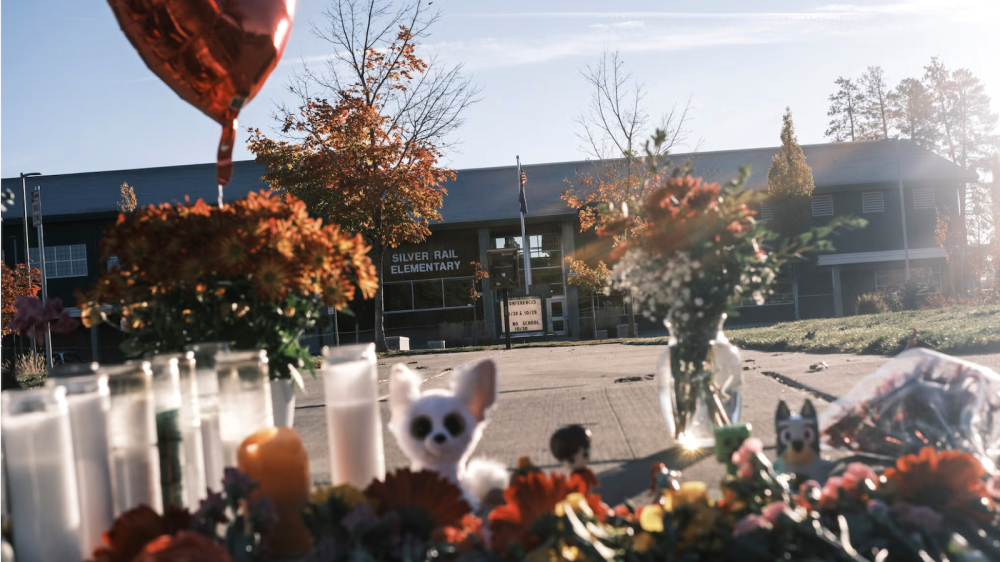
flowers, candles, stuffed animals with school building in background

School Shootings Are Down, But Perceptions Stoke Fear

October 19, 2026
Luskin in the News
Read More
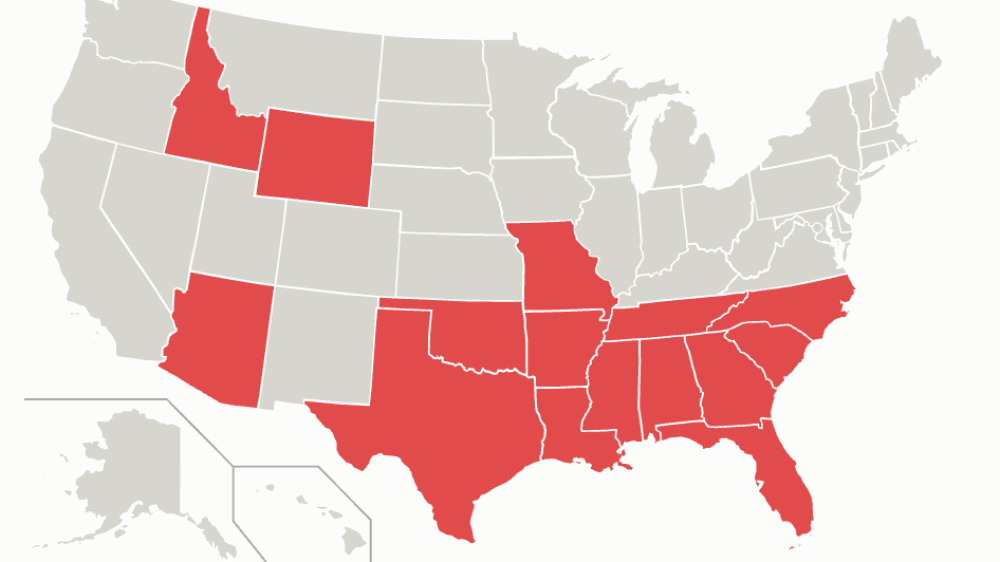
map of USA with red highlighted states.

Ron Astor Weighs In on the Persistence of School Paddling in the New York Sun

September 21, 2026
Luskin in the News
Read More
female students hug

A Painful Realization About What’s Behind School Shootings

July 31, 2026
Luskin in the News
UCLA Luskin's Ron Avi Astor says improving campus climate can only go so far in a...
Read More
Dimly lit hallway of a high school, with lockers on either side, a man stands with his arms out touching a wall, conveying sadness.

Astor Weighs In on Investigation Following Fatal Graduation Shooting

June 22, 2026
Luskin in the News
Ron Avi Astor discusses the unusual lack of information released following a fatal shooting after a...
Read More
Visiting educators share childhood experiences that led them to their line of work, along with their takeaways from the weeklong exchange hosted by UCLA

At UCLA, a Week of ‘Building Peace Through Education’

June 16, 2026
School of Public Affairs
Research exchange brings together Jewish, Muslim and Druze educators from across Israeli society....
Read More
Learn more about UCLA Luskin

Find contact information and get answers to your questions.

Contact Us
UCLA Luskin School of Public Affairs

Public Affairs Building
337 Charles E. Young Drive East
Los Angeles, California 90095

Linkedin Youtube Instagram Facebook X-twitter
Campus Resources
  • Map, Directions, Parking
  • Directory
  • Academic Calendar
  • Careers
  • Map, Directions, Parking
  • Directory
  • Academic Calendar
  • Careers
School Resources
  • About
  • Our Dean
  • Administration
  • Luskin School Intranet
  • Board of Advisors
  • Contact Us
  • Visit Us
  • About
  • Our Dean
  • Administration
  • Luskin School Intranet
  • Board of Advisors
  • Contact Us
  • Visit Us
UCLA logo
© 2026 Regents of the University of California
  • Emergency
  • Accessibility
  • Privacy & Terms of Use
  • Emergency
  • Accessibility
  • Privacy & Terms of Use
Facebook Instagram Linkedin X-twitter Youtube Threads
UCLA Luskin School of Public Affairs Logo
Academics
Departments
  • Global Public Affairs
  • Public Policy
  • Real Estate Development
  • Social Welfare
  • Urban Planning
  • Undergraduate Program
  • Global Public Affairs
  • Public Policy
  • Real Estate Development
  • Social Welfare
  • Urban Planning
  • Undergraduate Program
Graduate Programs
  • Master of Global Public Affairs (MGPA)
  • Master of Public Policy (MPP)
  • Master of Real Estate Development (MRED)
  • Master of Social Welfare (MSW)
  • Master of Urban and Regional Planning (MURP)
  • PhD in Social Welfare
  • PhD in Urban Planning
  • Master of Global Public Affairs (MGPA)
  • Master of Public Policy (MPP)
  • Master of Real Estate Development (MRED)
  • Master of Social Welfare (MSW)
  • Master of Urban and Regional Planning (MURP)
  • PhD in Social Welfare
  • PhD in Urban Planning
Undergraduate Programs
  • BA in Public Affairs
  • Minor in Urban and Regional Studies
  • Minor in Gerontology
  • Minor in Public Affairs
  • BA in Public Affairs
  • Minor in Urban and Regional Studies
  • Minor in Gerontology
  • Minor in Public Affairs
Professional Certificates
  • AI in Public Affairs Certificate
  • AI in Public Affairs Certificate
Admissions
Program Specific Admissions
  • Global Public Affairs
  • Public Policy
  • Real Estate Development
  • Social Welfare
  • Urban Planning
  • Undergraduate Program
  • Global Public Affairs
  • Public Policy
  • Real Estate Development
  • Social Welfare
  • Urban Planning
  • Undergraduate Program
Faculty
Our Faculty
  • All Faculty
  • Public Policy
  • Real Estate Development
  • Social Welfare
  • Urban Planning
  • All Faculty
  • Public Policy
  • Real Estate Development
  • Social Welfare
  • Urban Planning
Leadership
  • Our Dean
  • Board of Advisors
  • Faculty Executive Committee
  • Our Dean
  • Board of Advisors
  • Faculty Executive Committee
Research Centers
  • Agile Visual Analytics Lab (AVAL)

    Empowers stakeholders with data to make informed decisions for children, families, and communities.

  • Berggruen Governance Index

    Evaluates the quality of political governance and democracy worldwide.

  • Center for Neighborhood Knowledge (CNK)

    Specializes in spatial analysis of socioeconomic disparities in neighborhoods.

  • Center for Policy Research on Aging (CPRA)

    Explores the societal and policy implications of an aging population.

  • Institute of Transportation Studies (ITS)

    Advances research, education, and meaningful civic engagement on transportation issues.

  • Institute on Inequality and Democracy

    Advances scholarship that confronts threats to democracy in America and around the world.

  • Latin American Cities Initiative

    Connects urban planning and policy networks across the Americas.

  • Latino Policy & Politics Institute (LPPI)

    Addresses policy challenges facing Latinos and communities of color.

  • Lewis Center for Regional Policy Studies

    Studying housing affordability and transportation equity in the L.A. region.

  • Los Angeles Education Research Institute (LAERI)

    Collaborates with schools to improve educational outcomes for L.A. students.

  • Luskin Center for Innovation

    Informing effective and equitable environmental policy that improves lives.

  • UCLA Voting Rights Project

    The flagship project for voting rights litigation and policy research.

All Research Centers
Outcomes
Common Search Terms

Results will show as you type.