Skip to content
  • Students & Alumni
    • Overview
    • Career Services
    • Alumni Relations
    • Student Support
    • Graduate Resource Library
  • News
  • Events
    • Events Calendar
    • Luskin Summit
    • Luskin Lecture Series
    • California Policy Briefing
    • Commencement
  • Students & Alumni
    • Overview
    • Career Services
    • Alumni Relations
    • Student Support
    • Graduate Resource Library
  • News
  • Events
    • Events Calendar
    • Luskin Summit
    • Luskin Lecture Series
    • California Policy Briefing
    • Commencement
Giving
  • Academics
    Departments
    • Public Policy
    • Real Estate Development
    • Social Welfare
    • Undergraduate Program
    • Urban Planning
    • Public Policy
    • Real Estate Development
    • Social Welfare
    • Undergraduate Program
    • Urban Planning
    Graduate Programs
    • Master of Public Policy (MPP)
    • Master of Real Estate Development (MRED)
    • Master of Social Welfare (MSW)
    • Master of Urban and Regional Planning (MURP)
    • PhD in Social Welfare
    • PhD in Urban Planning
    • Master of Public Policy (MPP)
    • Master of Real Estate Development (MRED)
    • Master of Social Welfare (MSW)
    • Master of Urban and Regional Planning (MURP)
    • PhD in Social Welfare
    • PhD in Urban Planning
    Undergraduate Programs
    • BA in Public Affairs
    • Minor in Urban and Regional Studies
    • Minor in Gerontology
    • Minor in Public Affairs
    • BA in Public Affairs
    • Minor in Urban and Regional Studies
    • Minor in Gerontology
    • Minor in Public Affairs
    Professional Certificates
    • Data Analytics Certificate
    • Data Analytics Certificate
  • Admissions
    Program Specific Admissions
    • Public Policy
    • Real Estate Development
    • Social Welfare
    • Urban Planning
    • Undergraduate Program
    • Public Policy
    • Real Estate Development
    • Social Welfare
    • Urban Planning
    • Undergraduate Program
  • Faculty
    Our Faculty
    • All Faculty
    • Public Policy
    • Real Estate Development
    • Social Welfare
    • Urban Planning
    • All Faculty
    • Public Policy
    • Real Estate Development
    • Social Welfare
    • Urban Planning
    Leadership
    • Our Dean
    • Board of Advisors
    • Faculty Executive Committee
    • Our Dean
    • Board of Advisors
    • Faculty Executive Committee
  • Research Centers
    • Agile Visual Analytics Lab (AVAL):

      Uses data visualization to improve decision-making for family and child services.

    • Berggruen Governance Index

      Evaluates the quality of political governance and democracy worldwide.

    • Center for Neighborhood Knowledge (CNK)

      Specializes in spatial analysis of socioeconomic disparities in neighborhoods.

    • Center for Policy Research on Aging (CPRA)

      Explores the societal and policy implications of an aging population.

    • Agile Visual Analytics Lab (AVAL):

      Uses data visualization to improve decision-making for family and child services.

    • Berggruen Governance Index

      Evaluates the quality of political governance and democracy worldwide.

    • Center for Neighborhood Knowledge (CNK)

      Specializes in spatial analysis of socioeconomic disparities in neighborhoods.

    • Center for Policy Research on Aging (CPRA)

      Explores the societal and policy implications of an aging population.

    • Institute of Transportation Studies (ITS)

      A national leader in transportation policy and mobility research.

    • Institute on Inequality and Democracy

      Advances scholarship addressing displacement and dispossession in Los Angeles and beyond.

    • Latin American Cities Initiative

      Connects urban planning and policy networks across the Americas.

    • Latino Policy & Politics Institute (LPPI)

      Addresses policy challenges facing Latinos and communities of color.

    • Institute of Transportation Studies (ITS)

      A national leader in transportation policy and mobility research.

    • Institute on Inequality and Democracy

      Advances scholarship addressing displacement and dispossession in Los Angeles and beyond.

    • Latin American Cities Initiative

      Connects urban planning and policy networks across the Americas.

    • Latino Policy & Politics Institute (LPPI)

      Addresses policy challenges facing Latinos and communities of color.

    • Lewis Center for Regional Policy Studies

      Researches housing, transportation, and economic development in Southern California.

    • Los Angeles Education Research Institute (LAERI)

      Collaborates with schools to improve educational outcomes for L.A. students.

    • Luskin Center for Innovation (LCI)

      Focuses on environmental policy, clean energy, and climate justice.

    • UCLA Voting Rights Project

      The flagship project for voting rights litigation and policy research.

    • Lewis Center for Regional Policy Studies

      Researches housing, transportation, and economic development in Southern California.

    • Los Angeles Education Research Institute (LAERI)

      Collaborates with schools to improve educational outcomes for L.A. students.

    • Luskin Center for Innovation (LCI)

      Focuses on environmental policy, clean energy, and climate justice.

    • UCLA Voting Rights Project

      The flagship project for voting rights litigation and policy research.

    All Research Centers
  • Outcomes
Home / Zev: Legendary L.A. Politico Retires From UCLA Luskin Faculty

Zev: Legendary L.A. Politico Retires From UCLA Luskin Faculty

Yaroslavsky used his real-world experience grappling with the region's knottiest problems to teach and mentor UCLA Luskin students

Posted in

  • Education, For Faculty, For Policymakers, For Students, For Undergraduates, Politics, Public Policy, Public Policy News, School of Public Affairs

Published on

  • August 28, 2024
  • government, homelessness, Los Angeles, Public Policy, public service, UCLA, UCLA Luskin

Share this Article

UCLA’s Blueprint magazine interviewed Zev Yaroslavsky, who joined the UCLA Luskin faculty after decades serving in elected office in Los Angeles. Yaroslavsky is retiring from teaching this summer but will continue to direct one of the Luskin School’s signature projects, the annual Quality of Life Index measuring Angelenos’ contentment with life in L.A. This article is reprinted with the permission of Blueprint.

By Jean Merl

On the eve of a Jewish holiday last fall, Zev Yaroslavsky was standing in the front yard of his Los Angeles home when a neighbor he hadnโ€™t seen for a while walked by on his way to the synagogue. The man stopped to greet Yaroslavsky and posed a question that gladdened the former longtime elected official.

โ€œโ€˜Is it my imagination, or has the homeless situation gotten better around here?โ€™โ€ Yaroslavsky recalled the man asking.โ€œItโ€™s not your imagination,โ€ Yaroslavsky responded, adding details about at least two area homeless encampments that were cleared when their inhabitants had been housed and offered services under Mayor Karen Bassโ€™ Inside Safe program.โ€œIt took time, but they housed them,โ€ Yaroslavsky, 75, said in a far-ranging interview as he prepared to retire this spring from his second career, teaching at UCLAโ€™s Luskin School of Public Affairs. โ€œThey didnโ€™t just sweep them to another street. They housed them. Itโ€™s not easy, but you can do it.โ€Yaroslavsky knows his subject. He served nearly four decades as an elected official: on the Los Angeles City Council from 1975 to 1994, when he was elected to the county Board of Supervisors. Term limits required him to retire from that post in 2014. Until then, he had wrestled with โ€” and helped shape responses to โ€” nearly every major issue in the region: health care, land development, open space preservation, police reform, public transportation, cultural development. And homelessness.Soon after leaving the Board of Supervisors, Yaroslavsky was invited to return to UCLA, where he had earned bachelorโ€™s and masterโ€™s degrees before leaving a doctoral program to pursue a calling to social activism and politics. He eschewed a common path for retiring politicians โ€” a corporate position or a lobbying or consulting gig โ€” in favor of joining his alma mater, a public university where he could continue his life of service.โ€œI wanted to bring a real-world perspective to students,โ€ he said. โ€œAnd I wanted to learn from them.โ€

From elected office to academia

Yaroslavskyโ€™s decade at the Luskin Schoolย has placed him squarely at the intersection of public policy and academia. He has taught classes on public policy and directed the Los Angeles Initiative, which conducts the Quality of Life Index, an annual survey of county residentsโ€™ satisfaction levels in several categories, including housing costs and homelessness.He has helped steer bright young students into careers in public service, including Assemblyman Isaac Bryan (D-Los Angeles). In the spring of 2020, at the height of the COVID-19 lockdowns, he turned his class into a crash course in crisis management by inviting various public officials to talk โ€” via Zoom โ€” about how they were responding to the pandemic.Although academics and politicians often donโ€™t speak the same language, Yaroslavsky said it is important that they listen to and learn from one another.
โ€œI do think there is a functional role between academia and government,โ€ he said, noting that think tanks and researchers provide data and reports for policymakers to use in their attempts to find solutions to pressing problems. โ€œItโ€™s important,โ€ he adds, โ€œfor academics to understand the pressure politicians are under from constituents and for politicians to know what the facts are.โ€
Paying attention to the research helps policymakers find solutions and avoid mistakes. โ€œWe canโ€™t live without it,โ€ he said.

A history of homelessness

In his role as an academic, Yaroslavsky was one of the authors of a comprehensive study of homelessness in the region, published in 2021 by the Luskin Center for History and Policy. “The Making of a Crisis: A History of Homelessness in Los Angeles”ย detailed some 120 years of ebbs and flows in the problem, including causes and recommendations.Earlier, during his time as a county supervisor, Yaroslavsky led an effort to take a comprehensive approach to homelessness, a problem he compares to a Rubikโ€™s Cube โ€” a complicated puzzle that canโ€™t be solved quickly or easily.In 2007, he spearheaded Project 50, a two-year county pilot project that focused on Skid Row people who were deemed the most vulnerable. The project got them into housing and offered them services to help with the issues that had caused them to be homeless, including addiction and mental health problems. It was based on a successful program in New York City, and it pioneered what is now the standard thinking about ways to combat homelessness โ€” first, provide a home, then address underlying problems to keep people from falling back into life on the streets. The process can be costly and time-consuming, and its success depends in part on removing such stumbling blocks as housing costs, racial discrimination and poor education. But advocates of this approach say the social and financial costs of not solving what has become a crisis are much higher.
For years, Yaroslavsky said, he had behaved like most other politicians. Stay away from homelessness, was the standard political advice, because itโ€™s intractable and costly and you will be branded a failure if your efforts fall short. And it was easier back then to ignore homelessness because it was largely confined to Skid Row and not the crisis that has spread throughout many communities and spilled into pricy, middle-class neighborhoods today.He said this began to change in 2002, when his daughter, then in graduate school and living in the Bay Area, urged him to pay attention to the issue. He hired a deputy to work on homelessness in 2005. She told him about a pioneering โ€œhousing firstโ€ program in New York City. On a visit there to attend his sonโ€™s law school graduation in 2007, Yaroslavsky toured the program, Common Ground, based in the converted Times Square Hotel, and met with its founder. He pushed for something similar in Los Angeles.Project 50 worked well for a time. Clients stayed housed and accepted support services, and budget officials found the costs were more than made up by the savings in emergency room visits, arrests and other consequences of life on the streets. A county analysis showed the program cost $2.2 million but saved $2.4 million. As the pilot program was nearing its end in 2009, Yaroslavsky proposed extending and expanding it to 500, then to 5,000, taking it countywide. But he couldnโ€™t get a second from any of the other four supervisors. Yaroslavsky put smaller projects based on the Project 50 model into his own district, but the countywide version died.Since then, homelessness has exploded into a region-wide crisis that no longer can be ignored, Yaroslavsky said, lamenting that the failure to expand Project 50 in 2009 โ€œbasically cost us almost a decadeโ€ in solving the problem.In 2016, voters in the city of Los Angeles approved Proposition HHH, a $1.2 billion bond measure for permanent supportive housing, and the following year, county voters approved Measure H, which enacted a 1โ„4-cent increase on the sales tax for 10 years to alleviate homelessness. Bass won the mayorโ€™s office in November 2022 after a campaign that centered around combating homelessness. Her first official act was to declare a state of emergency because of homelessness. County supervisors followed suit a month later.

Reflections on service and politics

Yaroslavsky, in his 2023 memoir, “Zevโ€™s Los Angeles: From Boyle Heights to the Halls of Power,” called homelessness โ€œthe moral challenge of our timeโ€ and outlined ways to meet it. His experiences naturally have informed his views on Bassโ€™ attempts. He gives her high marks while acknowledging there is still a long way to go. Other circumstances, ranging from income disparity to the lack of an elected executive in the power-diffused county, also pose considerable obstacles, he added.A Los Angeles Times analysis of Bassโ€™ program late last year found significant progress in her goal to find shelter for those living on the streets and clear the encampments that had sprung up along public rights of way. But the campaign to find or build permanent affordable housing remained a tough challenge. Bass called improving the system of support services, including substance addiction treatment, a โ€œtop, top issueโ€ as the program headed into its second year.Yaroslavsky praised Bass for her comprehensive approach and willingness to put herself in charge of the program and accept responsibility for it.โ€œIโ€™m a cheerleader for her,โ€ Yaroslavsky said. โ€œI think sheโ€™s doing the right thing.โ€But heโ€™s realistic, too. โ€œIโ€™ve said from the start that [homelessness] was not created overnight and itโ€™s not going to be solved overnight. But sheโ€™s making progress, and she has created a sense of possibility and is publicly committed to solving the problem.โ€
Bass also is well suited to the task because of her collaborative manner and her background as a physicianโ€™s assistant and community activist before being elected to the state Assembly and then Congress, Yaroslavsky said. He also touted her commitment to Los Angeles.โ€œShe has made it clear she is not interestedโ€ in running for another office and probably has eight years to work on the issue, said Yaroslavsky, who expects Bass will serve a second term.But one of the toughest obstacles to overcoming the problem is an acute shortage of affordable housing.Increasingly, people are at risk of falling into homelessness, not because they are drug or alcohol abusers or mentally ill, but because they can no longer afford their rent on the wages they earn, Yaroslavsky said. Remedying that will take government intervention, including but not limited to housing subsidies, so that โ€œthe people who provide the backbone of the labor market here can afford to live here and not be forced out onto the streetโ€ where they eventually develop other problems.โ€œThereโ€™s a structural inequity in our housing economy that creates this homelessness problem,โ€ Yaroslavsky said, โ€œand weโ€™ve got to deal with it.โ€
Faculty Mentioned in this Article
|

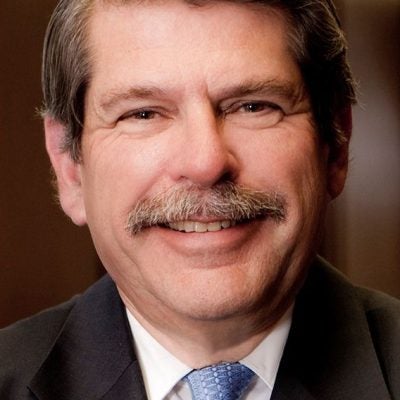
Zev Yaroslavsky

Director, Los Angeles Initiative

During a career in public life spanning nearly four decades, Zev Yaroslavsky has been at the forefront of Los Angeles...

Related Articles

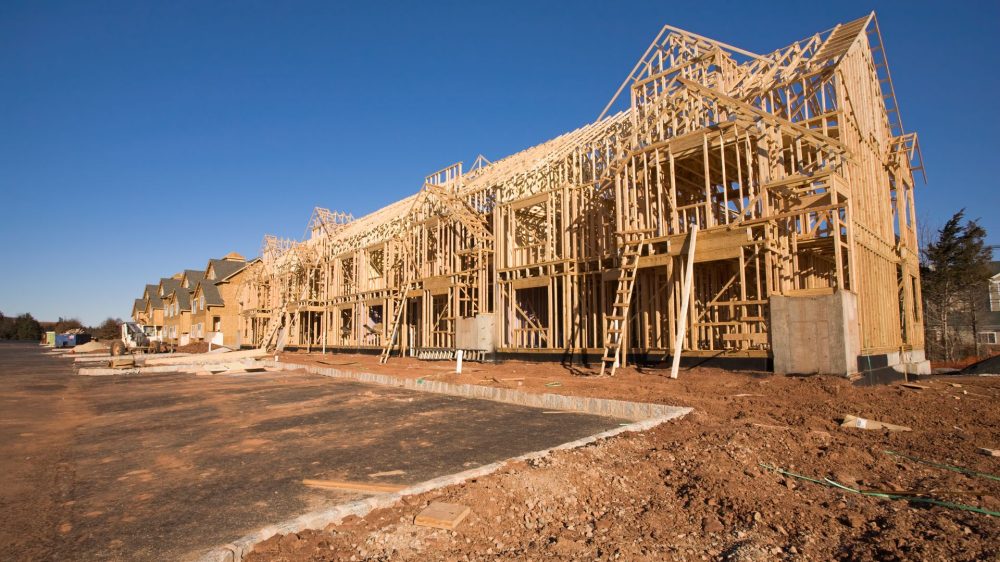
a complex of buildines in process of getting built, framing is done and some sheathing sitting on a muddy construction site.

Zev Yaroslavsky Discusses L.A. Countyโ€™s Growth and Housing Challenges

July 10, 2026
Luskin in the News
Zev Yaroslavsky analyzed L.A. Countyโ€™s booming communities, explaining housing growth opportunities and affordability challenges in the...
Read More
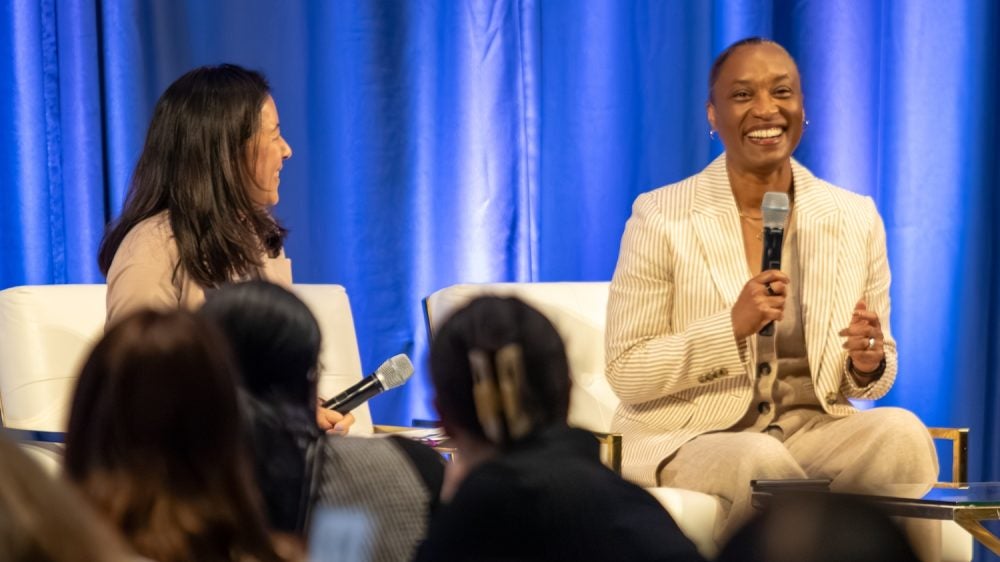
Two women on stage|three men in suits sitting on stage

Hope Is Hard Work: Laphonza Butler Delivered Call to Action on Building Power From the Ground Up

April 20, 2026
Alumni
At the annual Luskin Summit, the former U.S. senator joined 400 scholars, students, and leaders in...
Read More
Los Angeles Times

Zev Yaroslavsky Reflects on Declining Quality of Life in Los Angeles Times Report

April 17, 2026
Luskin in the News
The index score dropped to 52, driven by widespread declines in satisfaction across nearly all major...
Read More
collage of three women and one man

A Toss-Up in the LA Mayor’s Race

April 16, 2026
Luskin in the News
UCLA Luskin poll finding 40% undecided draws local, national and international coverage....
Read More
A northbound view of the 405 freeway during Friday afternoon traffic with Getty Museum, Westwood and Santa Monica mountains in the background.

Los Angeles County residentsโ€™ satisfaction with quality of life at all-time low in year 11 of UCLA survey

April 15, 2026
School of Public Affairs
L.A. County residents are less satisfied with their quality of life than at any time in...
Read More
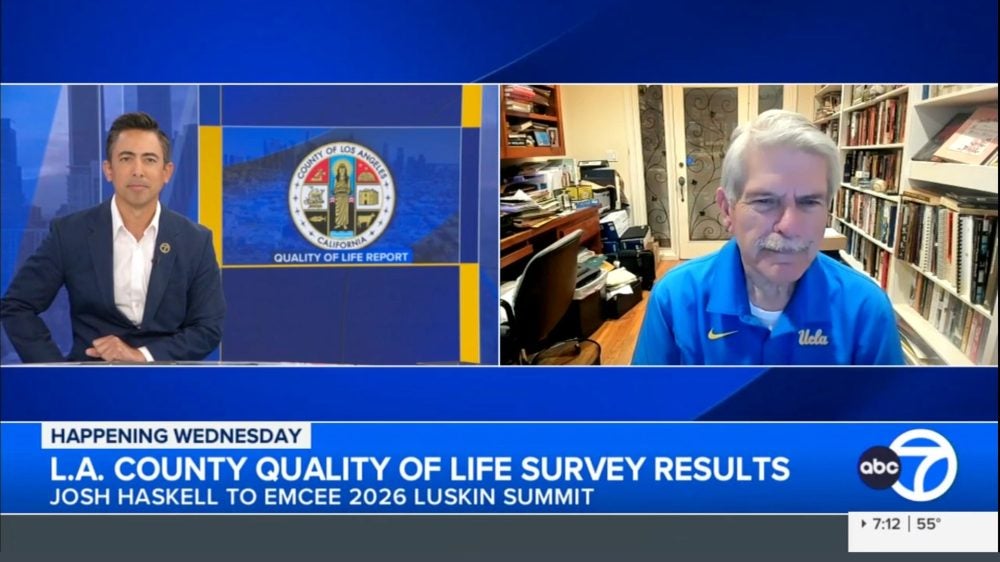
Zev QLI ABC News

Zev Yaroslavsky Discusses Los Angeles Quality of Life Survey Ahead of Luskin Summit

April 13, 2026
Luskin in the News
Luskinโ€™s Quality of Life Index is an annual survey conducted since 2016....
Read More
Zev Yaroslavsky apearing on โ€œInside the Issuesโ€œ news segment with Amrit Singh on Spectrum News 1. They sit across from each other on the tv news set.

Zev Yaroslavsky Reflects on 1984 Olympics and Weighs in on LA28

April 9, 2026
Luskin in the News
Zev Yaroslavsky discusses lessons from the 1984 Olympics and calls for transparency as Los Angeles prepares...
Read More
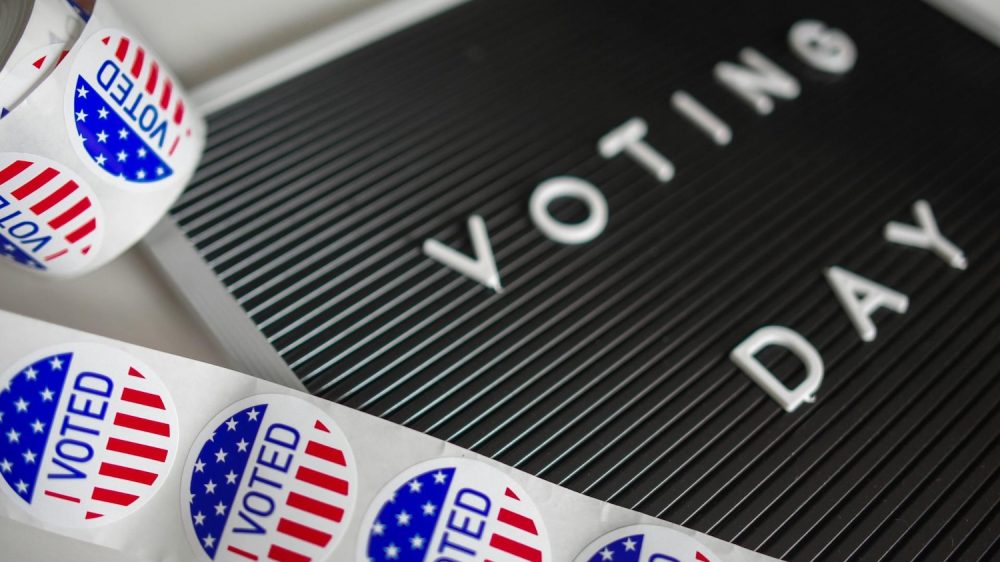
I Voted stickers||

Volatility Ahead in LA Mayorโ€™s Race; UCLA Luskin Poll Finds 40% of Voters Undecided

April 3, 2026
For Policymakers

With just two months to go before a primary election for Los Angelesโ€™ next mayor, 40%...

Read More
Yaroslavsky In the News

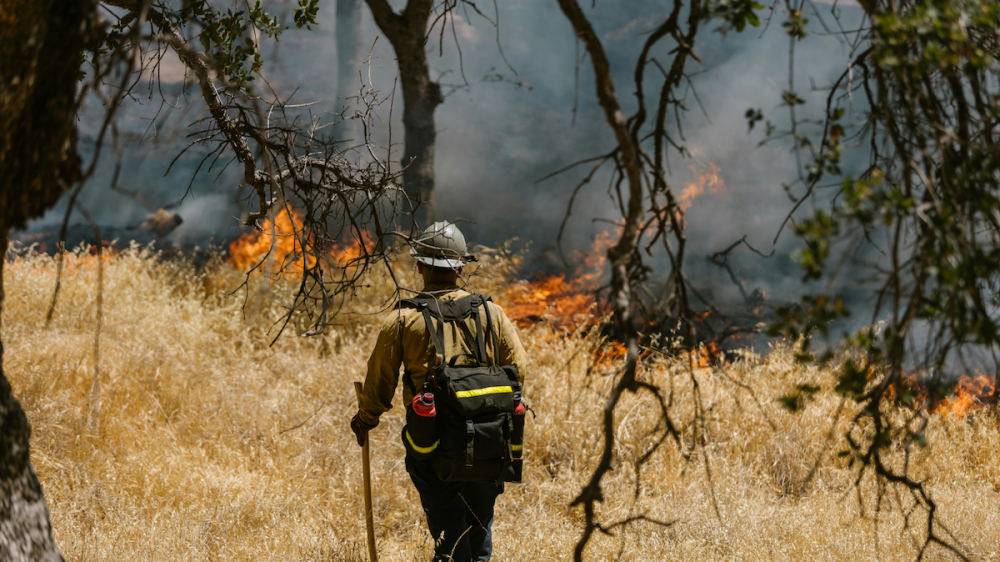
Yaroslavsky on the Response to the Lachman Fire

November 21, 2025
Luskin in the News
Zev Yaroslavsky spoke with the Guardian about the response to the Lachman fire, which resulted in...
Read More
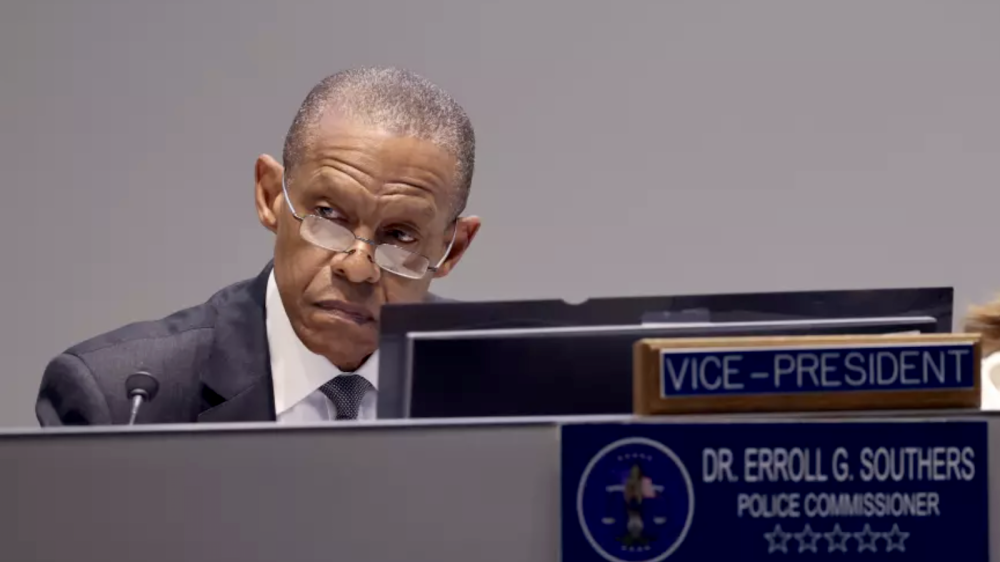
Man in suit and glasses seated at meeting

Failure to Vote on a Key Los Angeles Appointment

October 3, 2025
Luskin in the News
"It's almost unheard of," Zev Yaroslavsky says after City Council fails to act to confirm or...
Read More
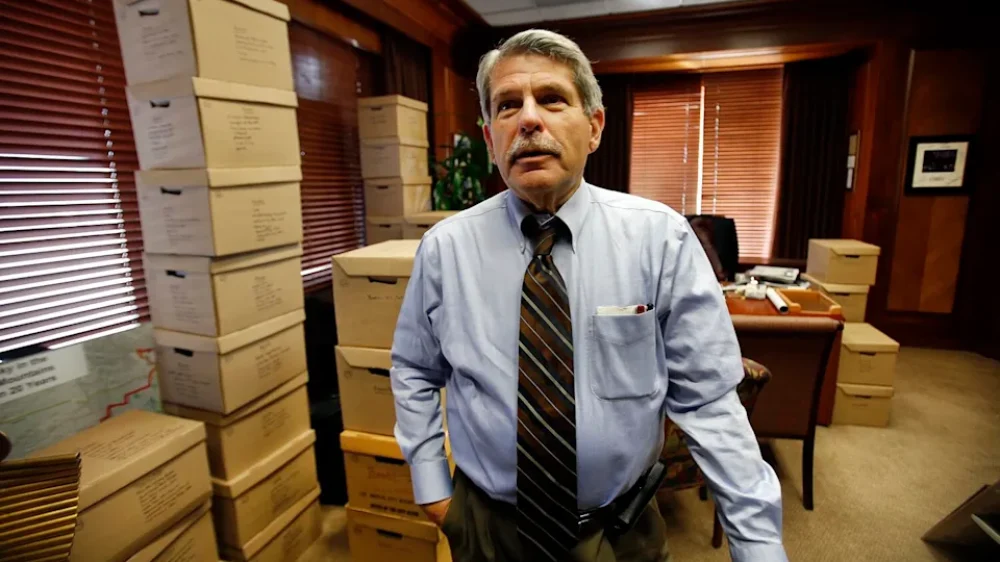
Zev Yaroslavsky, a former member of the Los Angeles County Board of Supervisors, in his then-office in 2014. (Los Angeles Times)

Zev Yaroslavsky, UCLAโ€™s Jewish community unite against Trumpโ€™s $1B demand

August 19, 2025
Luskin in the News
Jewish faculty at UCLA, joined by former L.A. County supervisor Zev Yaroslavsky, rally against the Trump...
Read More
Photo of speakers on a stage|||||||||||||

UCLA Luskin Summit Focused on Rebuilding and Recovery from the Wildfires

May 16, 2025
School of Public Affairs
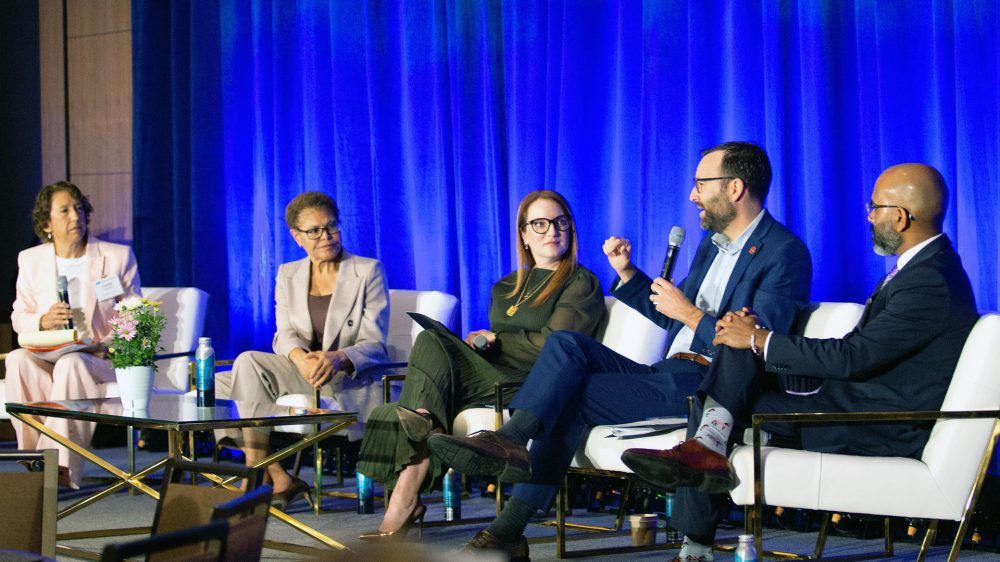
L.A. Mayor Karen Bass and other community leaders joined nearly 400 attendees for the 2025 Luskin...
Read More
Learn more about UCLA Luskin

Find contact information and get answers to your questions.

Contact Us

Public Affairs Building
337 Charles E. Young Drive East
Los Angeles, California 90095

Linkedin Youtube Instagram Facebook X-twitter
Campus Resources
  • Map, Directions, Parking
  • Directory
  • Academic Calendar
  • Careers
  • Map, Directions, Parking
  • Directory
  • Academic Calendar
  • Careers
School Resources
  • About
  • Our Dean
  • Administration
  • Board of Advisors
  • Contact Us
  • Visit Us
  • About
  • Our Dean
  • Administration
  • Board of Advisors
  • Contact Us
  • Visit Us
© 2026 Regents of the University of California
  • Emergency
  • Accessibilty
  • Privacy & Terms of Use
  • Emergency
  • Accessibilty
  • Privacy & Terms of Use
Facebook Instagram Linkedin X-twitter Youtube Threads
Academics
Departments
  • Public Policy
  • Real Estate Development
  • Social Welfare
  • Undergraduate Program
  • Urban Planning
  • Public Policy
  • Real Estate Development
  • Social Welfare
  • Undergraduate Program
  • Urban Planning
Graduate Programs
  • Master of Public Policy (MPP)
  • Master of Real Estate Development (MRED)
  • Master of Social Welfare (MSW)
  • Master of Urban and Regional Planning (MURP)
  • PhD in Social Welfare
  • PhD in Urban Planning
  • Master of Public Policy (MPP)
  • Master of Real Estate Development (MRED)
  • Master of Social Welfare (MSW)
  • Master of Urban and Regional Planning (MURP)
  • PhD in Social Welfare
  • PhD in Urban Planning
Undergraduate Programs
  • BA in Public Affairs
  • Minor in Urban and Regional Studies
  • Minor in Gerontology
  • Minor in Public Affairs
  • BA in Public Affairs
  • Minor in Urban and Regional Studies
  • Minor in Gerontology
  • Minor in Public Affairs
Professional Certificates
  • Data Analytics Certificate
  • Data Analytics Certificate
Admissions
Program Specific Admissions
  • Public Policy
  • Real Estate Development
  • Social Welfare
  • Urban Planning
  • Undergraduate Program
  • Public Policy
  • Real Estate Development
  • Social Welfare
  • Urban Planning
  • Undergraduate Program
Faculty
Our Faculty
  • All Faculty
  • Public Policy
  • Real Estate Development
  • Social Welfare
  • Urban Planning
  • All Faculty
  • Public Policy
  • Real Estate Development
  • Social Welfare
  • Urban Planning
Leadership
  • Our Dean
  • Board of Advisors
  • Faculty Executive Committee
  • Our Dean
  • Board of Advisors
  • Faculty Executive Committee
Research Centers
  • Agile Visual Analytics Lab (AVAL):

    Uses data visualization to improve decision-making for family and child services.

  • Berggruen Governance Index

    Evaluates the quality of political governance and democracy worldwide.

  • Center for Neighborhood Knowledge (CNK)

    Specializes in spatial analysis of socioeconomic disparities in neighborhoods.

  • Center for Policy Research on Aging (CPRA)

    Explores the societal and policy implications of an aging population.

  • Agile Visual Analytics Lab (AVAL):

    Uses data visualization to improve decision-making for family and child services.

  • Berggruen Governance Index

    Evaluates the quality of political governance and democracy worldwide.

  • Center for Neighborhood Knowledge (CNK)

    Specializes in spatial analysis of socioeconomic disparities in neighborhoods.

  • Center for Policy Research on Aging (CPRA)

    Explores the societal and policy implications of an aging population.

  • Institute of Transportation Studies (ITS)

    A national leader in transportation policy and mobility research.

  • Institute on Inequality and Democracy

    Advances scholarship addressing displacement and dispossession in Los Angeles and beyond.

  • Latin American Cities Initiative

    Connects urban planning and policy networks across the Americas.

  • Latino Policy & Politics Institute (LPPI)

    Addresses policy challenges facing Latinos and communities of color.

  • Institute of Transportation Studies (ITS)

    A national leader in transportation policy and mobility research.

  • Institute on Inequality and Democracy

    Advances scholarship addressing displacement and dispossession in Los Angeles and beyond.

  • Latin American Cities Initiative

    Connects urban planning and policy networks across the Americas.

  • Latino Policy & Politics Institute (LPPI)

    Addresses policy challenges facing Latinos and communities of color.

  • Lewis Center for Regional Policy Studies

    Researches housing, transportation, and economic development in Southern California.

  • Los Angeles Education Research Institute (LAERI)

    Collaborates with schools to improve educational outcomes for L.A. students.

  • Luskin Center for Innovation (LCI)

    Focuses on environmental policy, clean energy, and climate justice.

  • UCLA Voting Rights Project

    The flagship project for voting rights litigation and policy research.

  • Lewis Center for Regional Policy Studies

    Researches housing, transportation, and economic development in Southern California.

  • Los Angeles Education Research Institute (LAERI)

    Collaborates with schools to improve educational outcomes for L.A. students.

  • Luskin Center for Innovation (LCI)

    Focuses on environmental policy, clean energy, and climate justice.

  • UCLA Voting Rights Project

    The flagship project for voting rights litigation and policy research.

All Research Centers
Outcomes
Common Search Terms

Results will show as you type.