Skip to content
  • Students & Alumni
    • Overview
    • Career Services
    • Alumni Relations
    • Student Support
    • Graduate Resource Library
  • News
  • Events
    • Events Calendar
    • Luskin Summit
    • Luskin Lecture Series
    • California Policy Briefing
    • Commencement
  • Students & Alumni
    • Overview
    • Career Services
    • Alumni Relations
    • Student Support
    • Graduate Resource Library
  • News
  • Events
    • Events Calendar
    • Luskin Summit
    • Luskin Lecture Series
    • California Policy Briefing
    • Commencement
Giving
  • Academics
    Departments
    • Public Policy
    • Real Estate Development
    • Social Welfare
    • Undergraduate Program
    • Urban Planning
    • Public Policy
    • Real Estate Development
    • Social Welfare
    • Undergraduate Program
    • Urban Planning
    Graduate Programs
    • Master of Public Policy (MPP)
    • Master of Real Estate Development (MRED)
    • Master of Social Welfare (MSW)
    • Master of Urban and Regional Planning (MURP)
    • PhD in Social Welfare
    • PhD in Urban Planning
    • Master of Public Policy (MPP)
    • Master of Real Estate Development (MRED)
    • Master of Social Welfare (MSW)
    • Master of Urban and Regional Planning (MURP)
    • PhD in Social Welfare
    • PhD in Urban Planning
    Undergraduate Programs
    • BA in Public Affairs
    • Minor in Urban and Regional Studies
    • Minor in Gerontology
    • Minor in Public Affairs
    • BA in Public Affairs
    • Minor in Urban and Regional Studies
    • Minor in Gerontology
    • Minor in Public Affairs
    Professional Certificates
    • Data Analytics Certificate
    • Data Analytics Certificate
  • Admissions
    Program Specific Admissions
    • Public Policy
    • Real Estate Development
    • Social Welfare
    • Urban Planning
    • Undergraduate Program
    • Public Policy
    • Real Estate Development
    • Social Welfare
    • Urban Planning
    • Undergraduate Program
  • Faculty
    Our Faculty
    • All Faculty
    • Public Policy
    • Real Estate Development
    • Social Welfare
    • Urban Planning
    • All Faculty
    • Public Policy
    • Real Estate Development
    • Social Welfare
    • Urban Planning
    Leadership
    • Our Dean
    • Board of Advisors
    • Faculty Executive Committee
    • Our Dean
    • Board of Advisors
    • Faculty Executive Committee
  • Research Centers
    • Agile Visual Analytics Lab (AVAL):

      Uses data visualization to improve decision-making for family and child services.

    • Berggruen Governance Index

      Evaluates the quality of political governance and democracy worldwide.

    • Center for Neighborhood Knowledge (CNK)

      Specializes in spatial analysis of socioeconomic disparities in neighborhoods.

    • Center for Policy Research on Aging (CPRA)

      Explores the societal and policy implications of an aging population.

    • Agile Visual Analytics Lab (AVAL):

      Uses data visualization to improve decision-making for family and child services.

    • Berggruen Governance Index

      Evaluates the quality of political governance and democracy worldwide.

    • Center for Neighborhood Knowledge (CNK)

      Specializes in spatial analysis of socioeconomic disparities in neighborhoods.

    • Center for Policy Research on Aging (CPRA)

      Explores the societal and policy implications of an aging population.

    • Institute of Transportation Studies (ITS)

      A national leader in transportation policy and mobility research.

    • Institute on Inequality and Democracy

      Advances scholarship addressing displacement and dispossession in Los Angeles and beyond.

    • Latin American Cities Initiative

      Connects urban planning and policy networks across the Americas.

    • Latino Policy & Politics Institute (LPPI)

      Addresses policy challenges facing Latinos and communities of color.

    • Institute of Transportation Studies (ITS)

      A national leader in transportation policy and mobility research.

    • Institute on Inequality and Democracy

      Advances scholarship addressing displacement and dispossession in Los Angeles and beyond.

    • Latin American Cities Initiative

      Connects urban planning and policy networks across the Americas.

    • Latino Policy & Politics Institute (LPPI)

      Addresses policy challenges facing Latinos and communities of color.

    • Lewis Center for Regional Policy Studies

      Researches housing, transportation, and economic development in Southern California.

    • Los Angeles Education Research Institute (LAERI)

      Collaborates with schools to improve educational outcomes for L.A. students.

    • Luskin Center for Innovation (LCI)

      Focuses on environmental policy, clean energy, and climate justice.

    • UCLA Voting Rights Project

      The flagship project for voting rights litigation and policy research.

    • Lewis Center for Regional Policy Studies

      Researches housing, transportation, and economic development in Southern California.

    • Los Angeles Education Research Institute (LAERI)

      Collaborates with schools to improve educational outcomes for L.A. students.

    • Luskin Center for Innovation (LCI)

      Focuses on environmental policy, clean energy, and climate justice.

    • UCLA Voting Rights Project

      The flagship project for voting rights litigation and policy research.

    All Research Centers
  • Outcomes
Home / The Enduring Scars of Bullying Born of Prejudice

The Enduring Scars of Bullying Born of Prejudice

A supportive school environment can actually deepen targeted students’ feelings of isolation, according to new research that offers insights on how to help
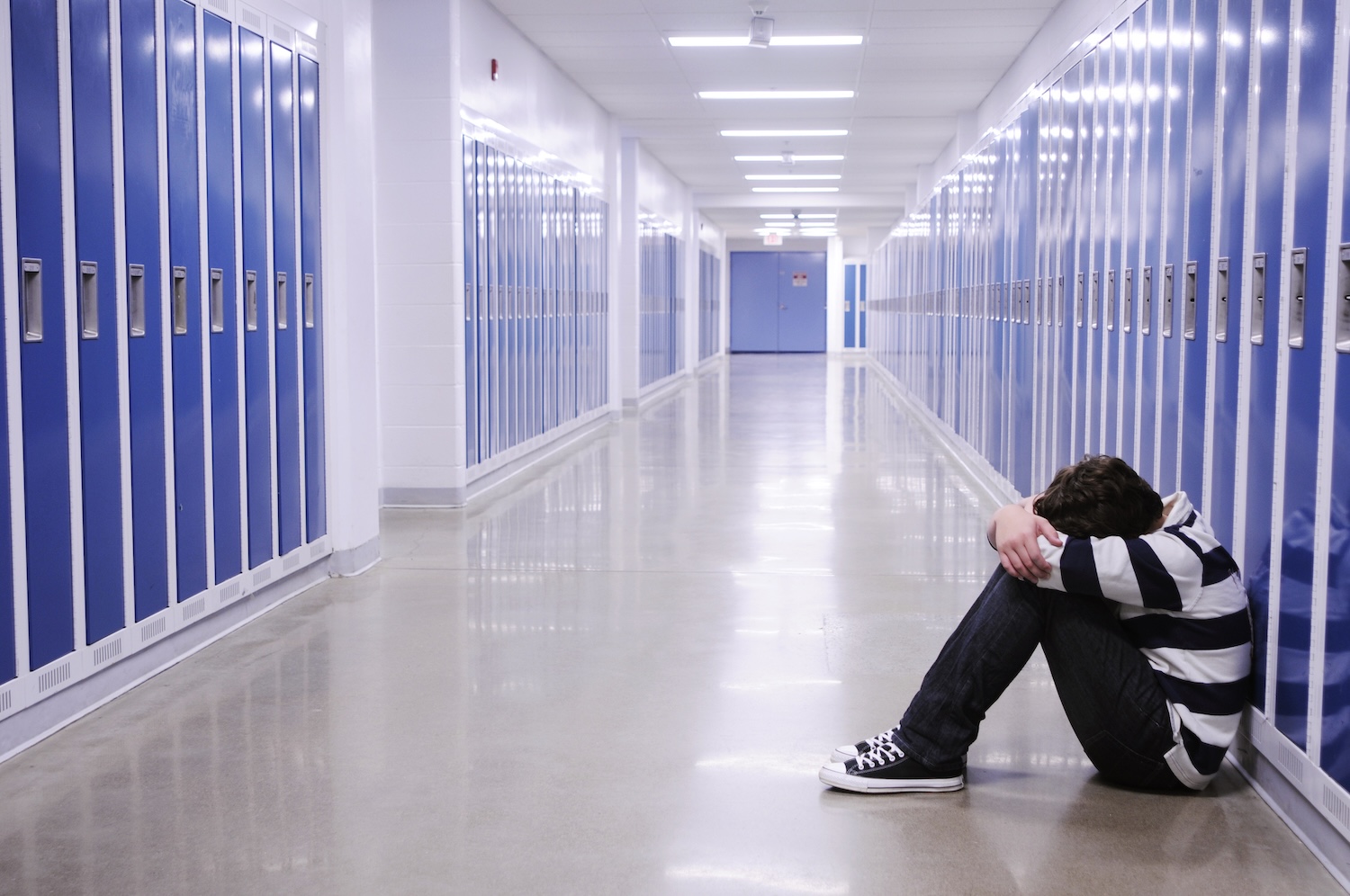
boy sitting with head in hands in school corridor amid blue lockers

Posted in

  • School of Public Affairs, Social Welfare

Published on

  • December 15, 2025
  • adolescents, bias, bullying, education, mental health, school violence, schools, UCLA, UCLA Luskin

Share this Article

As concerns rise about the mental health of American adolescents, schools have worked to create an atmosphere where students feel safe, connected, and respected.

But a positive campus climate does not provide the same benefits for all students — and in some cases may even deepen feelings of isolation and despair, according to new research co-authored by UCLA Professor of Social Welfare Ron Avi Astor.

This counterintuitive finding, just published in the American Educational Research Association’s flagship journal Educational Researcher, arose from an exhaustive review of survey data from more than 1 million students in 2,500 California secondary schools.

The research team compared the experiences of three groups of students: those who had been bullied or victimized due to a bias against their race, ethnicity, sexual or gender identity, religion, disability, immigration statu,s or other personal characteristic; those who were targeted but not because of this kind of bias; and those who had never been targeted.

The study’s authors were surprised to find that a supportive school climate produced fewer positive effects overall for students in the first group, a phenomenon known as the “healthy context paradox,” said Astor, a professor of social welfare and education at the UCLA Luskin School of Public Affairs and UCLA School of Education and Information Studies.

When students in distress are in a relatively positive setting, they may compare themselves with their peers and blame themselves for feelings of sadness, hopelessness, and thoughts of suicide. “Why are things getting better for everyone but me?” they may wonder. And being targeted for personal traits that they cannot change is particularly hurtful, deepening their sense of inadequacy.

“We realized that the negative impact of student victimization on certain students’ mental health is exacerbated in schools with positive climates and lower overall violence levels,” said Ruth Berkowitz of the University of Haifa, who led the research team including Astor, Netta Achdut of Ben Gurion University and Rami Benbenishty of Hebrew University of Jerusalem.

“You would have expected that victimized students would gain much more from a positive school climate,” she said, noting that the findings were so unexpected that the team repeatedly rechecked the data.

Similar findings had been reported in some Scandinavian countries, but not in such a large-scale U.S. study. The new research also broadens understanding of the distinct experience of students victimized because of their identity, and the need for tailored mental health support.

“You want a positive school climate, obviously, and you want to reduce victimization,” said Astor, an authority on bullying and school violence. “But you also need another layer of very specific interventions toward groups that are being systematically targeted due to prejudice because of their identity in schools.”

RESEARCH TO ACTION

How can these findings be used to help schools and the students they serve? Astor says that giving leaders access to precise information about the kinds of bias detected on their campuses is an important first step.

“It is possible for kids and teachers and others to have prejudices that are extremely specific,” he says. A campus may exhibit broad tolerance for people of different faiths but show hostility to its immigrant families, for example. A school with a thriving gay-straight alliance may not be as welcoming to students with disabilities.

“If we drill down and really see what’s happening at each school, they can tailor how they educate their population about different groups, and that can help the level of bias go down,” he says.

Astor is also putting this anti-bias scholarship into action through a new partnership with Holocaust Museum LA, which commemorates those who perished and teaches future generations important lessons about kindness, dignity, and humanity.

The museum worked with Astor to develop questionnaires for teachers and students from across the country who are participating in its many educational programs. Launched at the start of this school year, the tool provides a snapshot of a school’s climate, potential pockets of bias, and the needs of teachers seeking to build an inclusive environment.

“We’re really excited about this partnership,” said Jordanna Gessler, the museum’s chief impact officer. “It’s taking work that Ron was already doing, work that we were already doing, and merging them together to really amplify the understanding of what is happening in our schools and how we can best course correct when there are incidents of hatred and identity-based violence.”

The surveys include basic biographical information as well as open-ended questions that allow participants to share what they’ve seen on their campuses, Astor says. Students can report whether they have witnessed or experienced insults or exclusion, for example, and assess the likelihood that someone on campus would intervene.

Using well-established research methods, Astor analyzes the data and provides feedback to the museum so that it can assess the impact of its programs and swiftly adapt to the changing needs of the community.

“One of the most important things we can be doing in these spaces is being flexible in our understanding of what is taking place and how we can respond to it with compassion,” Gessler says.

PRIORITIZING MENTAL HEALTH

Researchers were motivated to launch the latest study by rising reports of mental illness among young people and a desire to understand the role of school-based victimization.

They analyzed data from seventh-, ninth- and eleventh-graders who responded to the California Healthy Kids Survey between 2017 and 2019. Conducted biannually across the state, the voluntary and anonymous survey includes questions about a broad array of topics, including school safety and student well-being.

Students who reported being the target of bias-based victimization made up 23.6% of the respondents. Since a positive school climate can actually exacerbate their feelings of despair, the researchers urge schools to implement a multi-tiered approach including outreach to vulnerable youth and a commitment to combat discrimination.

“Focusing solely on overall school climate to improve mental health, without explicitly addressing specific types of victimization, particularly bias-based incidents, could potentially exacerbate the difficulties faced by affected students,” Berkowitz says.

“Schools are constantly being held accountable for academic growth,” she says. “But how about the growth of a positive school climate? This could improve the overall outcomes, not just in academics but also in the mental health of students.”

Further Reading

“The Facts on School Violence: Q&A with UCLA Luskin’s Ron Avi Astor” 

 

Faculty Mentioned in this Article
4/15/10

Ron Avi Astor

Professor of Social Welfare

Ron Avi Astor holds the Marjorie Crump Chair Professorship in Social Welfare at the UCLA Luskin School of Public Affairs...

Related Articles

female students hug

A Painful Realization About What’s Behind School Shootings

July 31, 2026
Luskin in the News
UCLA Luskin's Ron Avi Astor says improving campus climate can only go so far in a...
Read More
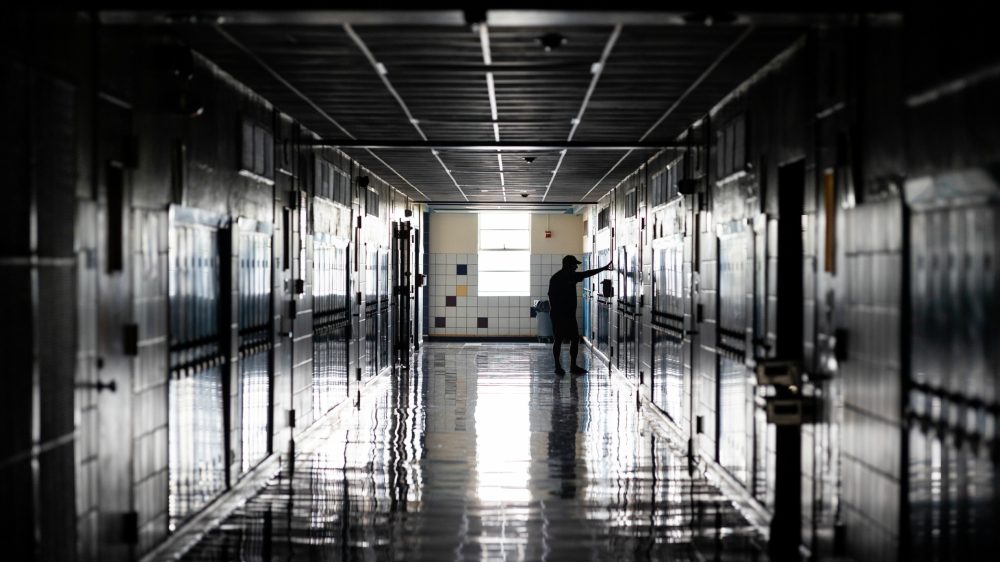
Dimly lit hallway of a high school, with lockers on either side, a man stands with his arms out touching a wall, conveying sadness.

Astor Weighs In on Investigation Following Fatal Graduation Shooting

June 22, 2026
Luskin in the News
Ron Avi Astor discusses the unusual lack of information released following a fatal shooting after a...
Read More
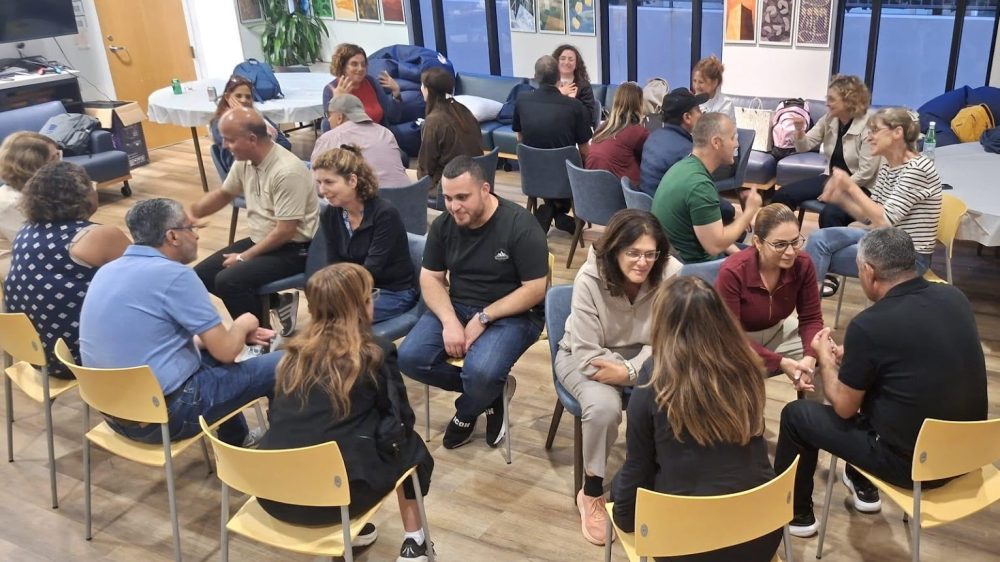
Visiting educators sit in concentric circles for one-on-one conversations|Woman holds small art collage with lyric "there is a crack in everything, that's how the light gets in."|Large group of people pose outdoors|Group works on art project on outdoor patio|Man in glasses delivers lecture

At UCLA, a Week of ‘Building Peace Through Education’

June 16, 2026
School of Public Affairs
Research exchange brings together Jewish, Muslim and Druze educators from across Israeli society....
Read More
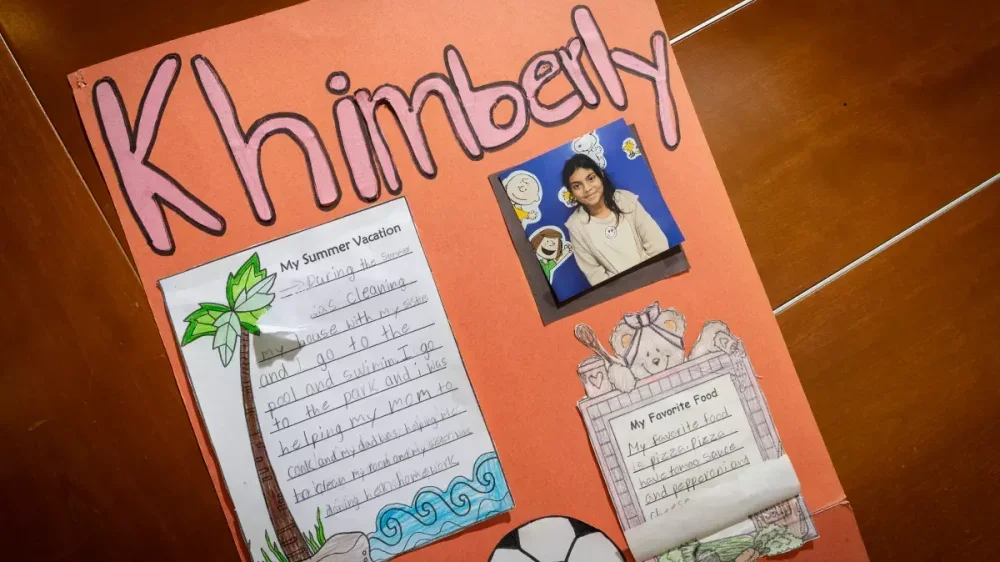
Twelve-year-old Khimberly Zavaleta Chuquipa died after an alleged bullying incident at her school. (Jason Armond / Los Angeles Times)|Person hugging their knees.|

12-Year-Old’s Death After Bullying Incident Reveals School’s Inaction

May 4, 2026
Luskin in the News
A lawsuit has been filed against an LAUSD school for mishandling of bullying reports after a...
Read More
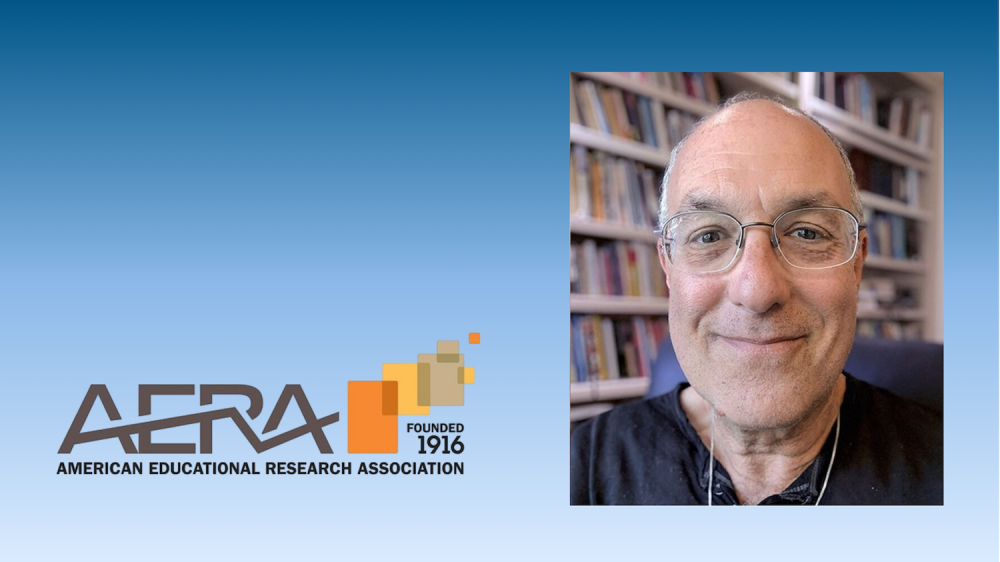
Head shot of man with glasses

Ron Avi Astor Receives AERA Research Award in Human Development

April 8, 2026
Luskin's Latest Blog
UCLA Luskin Social Welfare professor is honored by the American Educational Research Association....
Read More
upporting Democracy, Coexistence, and Cultural Identity in Jewish, Arab, and Druze Schools|

Supporting Democracy, Coexistence and Cultural Identity in Israeli Education

March 18, 2026
Luskin's Latest Blog
UCLA lecture highlights how Jewish and Arab schools can foster empathy, reduce violence, and build coexistence...
Read More
Empty classroom.

Astor on Addressing Antisemitism in Schools

February 25, 2026
Luskin in the News
Professor of social welfare Ron Avi Astor shares his perspectives on the efforts to address antisemitism...
Read More
The side of a school bus with cordon tape that reads "CRIME SCENE DO NOT CROSS".

The Facts on School Violence: Q&A with UCLA Luskin’s Ron Avi Astor

December 16, 2025
Luskin's Latest Blog
The professor of social welfare and education weighs in on the state of school safety and...
Read More
illustration of distressed student

Astor on Wave of False Threats of Violence in Schools

October 10, 2024
Luskin in the News
False threats undermine school safety and can lead to copycat threats, school safety expert says....
Read More
Colorful classroom

A Decline in Student Victimization, Even in Areas of Conflict

September 23, 2024
Luskin's Latest Blog
A study of Jewish and Arab elementary schools in Israel from 2008 to 2019 showed a...
Read More
adults and students at vigil

Astor on Common Traits of School Shooters

September 10, 2024
Luskin in the News
Many seek to sow terror not just on one campus but across the country, he says....
Read More
desks and chairs in empty classroom

A Tipster’s Alert May Have Averted School Attack

August 29, 2024
Luskin in the News
Texas case demonstrates the importance of notifying authorities when troubling posts surface, UCLA Luskin's Ron Avi...
Read More
Learn more about UCLA Luskin

Find contact information and get answers to your questions.

Contact Us

Public Affairs Building
337 Charles E. Young Drive East
Los Angeles, California 90095

Linkedin Youtube Instagram Facebook X-twitter
Campus Resources
  • Map, Directions, Parking
  • Directory
  • Academic Calendar
  • Careers
  • Map, Directions, Parking
  • Directory
  • Academic Calendar
  • Careers
School Resources
  • About
  • Our Dean
  • Administration
  • Board of Advisors
  • Contact Us
  • Visit Us
  • About
  • Our Dean
  • Administration
  • Board of Advisors
  • Contact Us
  • Visit Us
© 2026 Regents of the University of California
  • Emergency
  • Accessibilty
  • Privacy & Terms of Use
  • Emergency
  • Accessibilty
  • Privacy & Terms of Use
Facebook Instagram Linkedin X-twitter Youtube Threads
Academics
Departments
  • Public Policy
  • Real Estate Development
  • Social Welfare
  • Undergraduate Program
  • Urban Planning
  • Public Policy
  • Real Estate Development
  • Social Welfare
  • Undergraduate Program
  • Urban Planning
Graduate Programs
  • Master of Public Policy (MPP)
  • Master of Real Estate Development (MRED)
  • Master of Social Welfare (MSW)
  • Master of Urban and Regional Planning (MURP)
  • PhD in Social Welfare
  • PhD in Urban Planning
  • Master of Public Policy (MPP)
  • Master of Real Estate Development (MRED)
  • Master of Social Welfare (MSW)
  • Master of Urban and Regional Planning (MURP)
  • PhD in Social Welfare
  • PhD in Urban Planning
Undergraduate Programs
  • BA in Public Affairs
  • Minor in Urban and Regional Studies
  • Minor in Gerontology
  • Minor in Public Affairs
  • BA in Public Affairs
  • Minor in Urban and Regional Studies
  • Minor in Gerontology
  • Minor in Public Affairs
Professional Certificates
  • Data Analytics Certificate
  • Data Analytics Certificate
Admissions
Program Specific Admissions
  • Public Policy
  • Real Estate Development
  • Social Welfare
  • Urban Planning
  • Undergraduate Program
  • Public Policy
  • Real Estate Development
  • Social Welfare
  • Urban Planning
  • Undergraduate Program
Faculty
Our Faculty
  • All Faculty
  • Public Policy
  • Real Estate Development
  • Social Welfare
  • Urban Planning
  • All Faculty
  • Public Policy
  • Real Estate Development
  • Social Welfare
  • Urban Planning
Leadership
  • Our Dean
  • Board of Advisors
  • Faculty Executive Committee
  • Our Dean
  • Board of Advisors
  • Faculty Executive Committee
Research Centers
  • Agile Visual Analytics Lab (AVAL):

    Uses data visualization to improve decision-making for family and child services.

  • Berggruen Governance Index

    Evaluates the quality of political governance and democracy worldwide.

  • Center for Neighborhood Knowledge (CNK)

    Specializes in spatial analysis of socioeconomic disparities in neighborhoods.

  • Center for Policy Research on Aging (CPRA)

    Explores the societal and policy implications of an aging population.

  • Agile Visual Analytics Lab (AVAL):

    Uses data visualization to improve decision-making for family and child services.

  • Berggruen Governance Index

    Evaluates the quality of political governance and democracy worldwide.

  • Center for Neighborhood Knowledge (CNK)

    Specializes in spatial analysis of socioeconomic disparities in neighborhoods.

  • Center for Policy Research on Aging (CPRA)

    Explores the societal and policy implications of an aging population.

  • Institute of Transportation Studies (ITS)

    A national leader in transportation policy and mobility research.

  • Institute on Inequality and Democracy

    Advances scholarship addressing displacement and dispossession in Los Angeles and beyond.

  • Latin American Cities Initiative

    Connects urban planning and policy networks across the Americas.

  • Latino Policy & Politics Institute (LPPI)

    Addresses policy challenges facing Latinos and communities of color.

  • Institute of Transportation Studies (ITS)

    A national leader in transportation policy and mobility research.

  • Institute on Inequality and Democracy

    Advances scholarship addressing displacement and dispossession in Los Angeles and beyond.

  • Latin American Cities Initiative

    Connects urban planning and policy networks across the Americas.

  • Latino Policy & Politics Institute (LPPI)

    Addresses policy challenges facing Latinos and communities of color.

  • Lewis Center for Regional Policy Studies

    Researches housing, transportation, and economic development in Southern California.

  • Los Angeles Education Research Institute (LAERI)

    Collaborates with schools to improve educational outcomes for L.A. students.

  • Luskin Center for Innovation (LCI)

    Focuses on environmental policy, clean energy, and climate justice.

  • UCLA Voting Rights Project

    The flagship project for voting rights litigation and policy research.

  • Lewis Center for Regional Policy Studies

    Researches housing, transportation, and economic development in Southern California.

  • Los Angeles Education Research Institute (LAERI)

    Collaborates with schools to improve educational outcomes for L.A. students.

  • Luskin Center for Innovation (LCI)

    Focuses on environmental policy, clean energy, and climate justice.

  • UCLA Voting Rights Project

    The flagship project for voting rights litigation and policy research.

All Research Centers
Outcomes
Common Search Terms

Results will show as you type.