Shaping Hollywood’s Future: UCLA Luskin Student Mehra Marzbani Champions California’s Creative Workforce
As an actress and student, what does it mean to you to advocate for reforms that help keep California’s entertainment/creative workforce thriving?
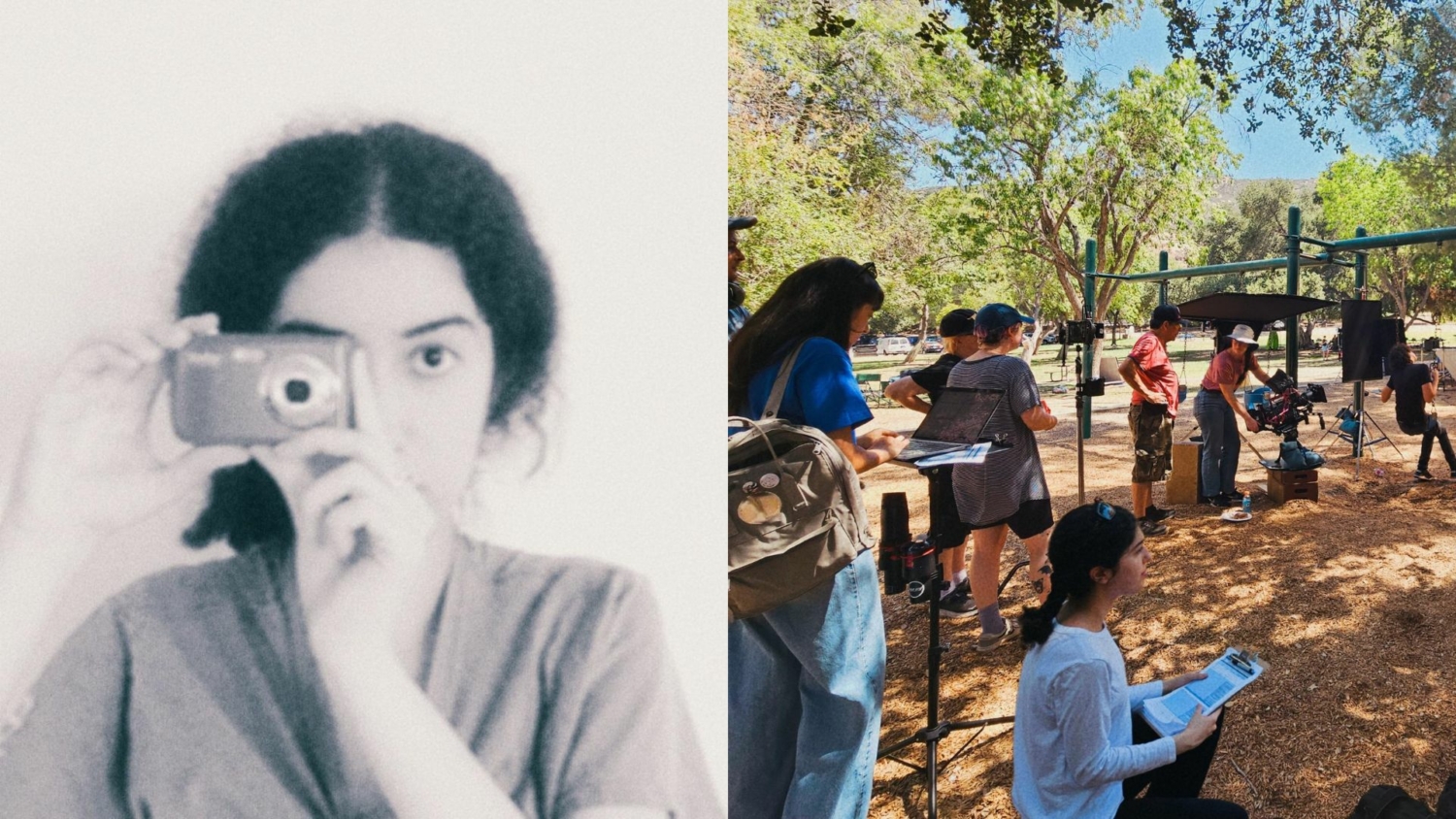
As a California native and a once-little girl who was perpetually glued to the screen, I always knew I wanted to play a role in Hollywood–after all, it is a quintessential part of our state’s identity and legacy. It felt surreal to see the huge Hollywood sign on my way to a TV set for the first time, because it struck me that this truly is where dreams are born and come true. As a student, I want to leverage public policy to keep that magical feeling alive for other emerging creatives and ensure equitable access to innovation and opportunity. And that’s what advocating for reforms that sustain and uplift our creative workforce means to me–it’s cheering on that little TV-obsessed girl who doubted whether or not she had a place in the industry and ensuring future generations that the Hollywood dream will stay here, in California.
What inspired you to focus your policy work on California’s Film and Television Tax Credit Program, and why is this issue important for the state’s creative economy?
In the conversations I’ve had with filmmakers and others, I’ve been overwhelmed by comments about red tape and permitting costs. It’s impacting not only the scope of productions, but causing more filming out of state and overseas. Now that I’m dabbling in independent production work, I completely understand the struggle; finding a location that’s within our small budget and seamlessly obtaining a permit–all without sacrificing the creative integrity of the project–is a major curveball. California’s Film and Television Tax Credit Program does offer strong incentives to reclaim in-state production, but these tax credits should be paired with structural changes to be most effective–and that includes simplifying the permitting process and expanding eligibility to include student and low-budget productions.
Making the investment in California’s entertainment industry and the success of the next generation of creatives here is an investment in California’s economic strength and security. It supports thousands of jobs and livelihoods, attracts tourism, the list goes on. Especially in light of all the recent unprecedented challenges we’ve endured as a state, protecting our creative labor force now is essential.
As you look ahead, how do you hope to use your platform as both an artist and a policymaker to create systemic change or drive social change on a larger scale?
I truly believe in the power of storytelling and would like to continue doing that. Both art and policy tell a story, and the narratives we read and hear can challenge perceptions and spark tangible social change. The tricky part is to understand what makes a story effective for a given audience. Through acting, I’ve learned empathy, and through policymaking, precision. My education has given me the language and tools to translate the creative community’s needs into buzzwords legislative officials can act on, and I see my platform as a bridge–connecting arts workers, young innovators, policymakers, and local leaders to pursue mutually beneficial goals. We’ve all heard the phrase “Lights, Camera, Action,” but the call now is for the entire community to take action together, collectively shaping our dreams for the future.





Leave a Reply
Want to join the discussion?Feel free to contribute!