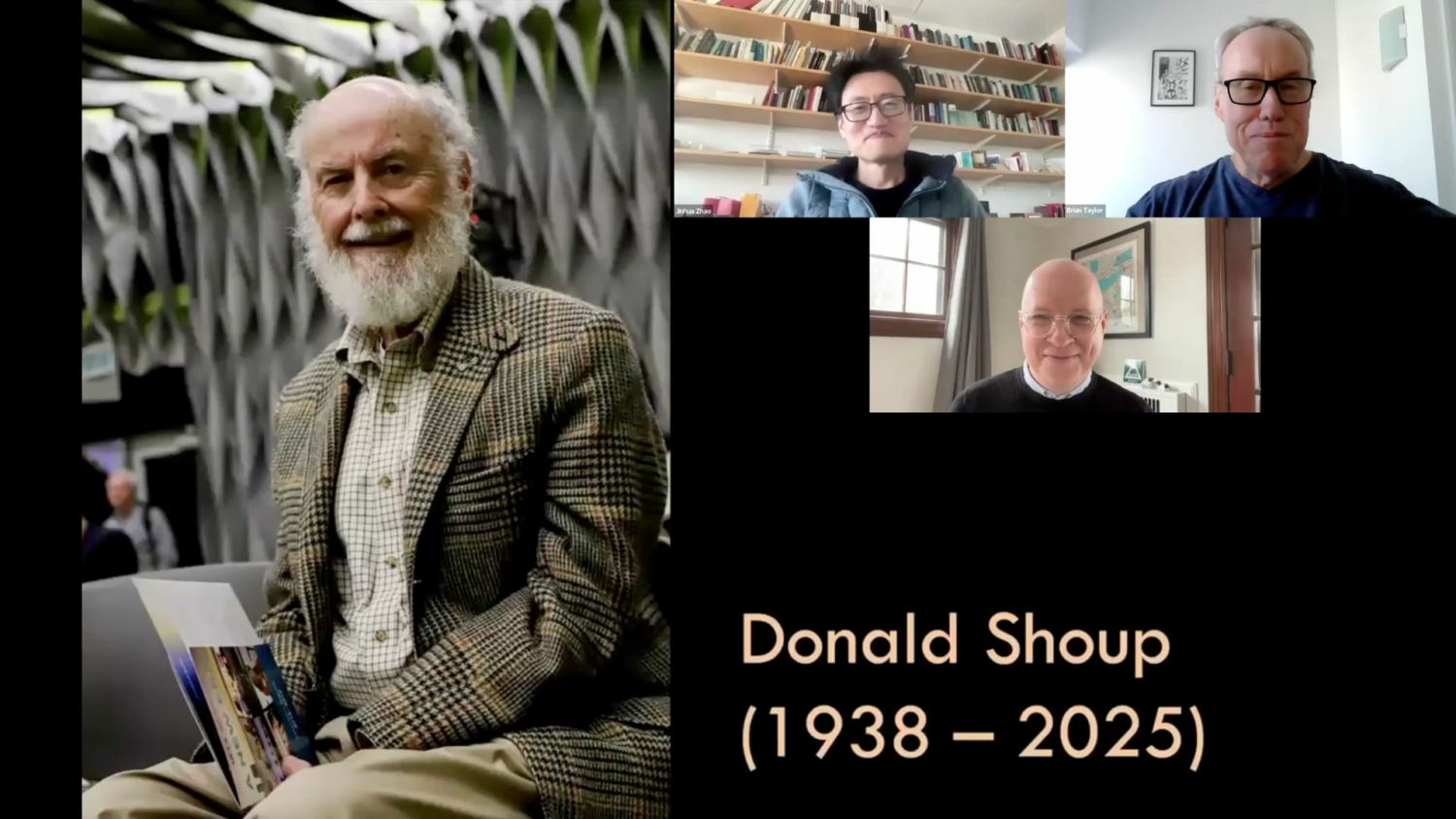
MIT Mobility Forum Reflects on Donald Shoup’s Influence on Parking Policy
A recent episode of the MIT Mobility Forum examined the legacy of pioneering parking scholar Donald Shoup and the lasting influence of his ideas on urban planning and transportation policy. The discussion coincided with the release of “The Shoup Doctrine,” a collection of essays edited by Daniel Baldwin Hess, a former student of Shoup. The volume features contributions from dozens of planners, economists, and practitioners reflecting on how Shoup’s work reshaped thinking about parking and its broader impacts on cities.
For decades, many cities required large amounts of parking and treated curb space as a public good that should remain free. Shoup’s research challenged that assumption, arguing that parking is a scarce and valuable resource that should be priced and managed more thoughtfully. His work sparked a global movement among self-proclaimed “Shoupistas” who promoted reforms such as eliminating minimum parking requirements and better pricing curb space.
During the panel, Brian D. Taylor, professor of urban planning and public policy at the UCLA, recalled Shoup’s deep commitment to the issue. Taylor recounted Shoup telling him he would not move on from studying parking “until people got it right.” As Taylor summarized Shoup’s central insight: “Who pays for expensive free parking? Everyone but the drivers.”
To learn more about Donald Shoup’s legacy or support the parking reform initiatives he was passionate about, visit the new UCLA Center for Parking Policy, which carries forward his work by advancing research, education, and policy discussions on parking and urban mobility.





Leave a Reply
Want to join the discussion?Feel free to contribute!