Summer Spotlight: Muram Ibrahim Explores Urban Planning in Post-Conflict Port Sudan
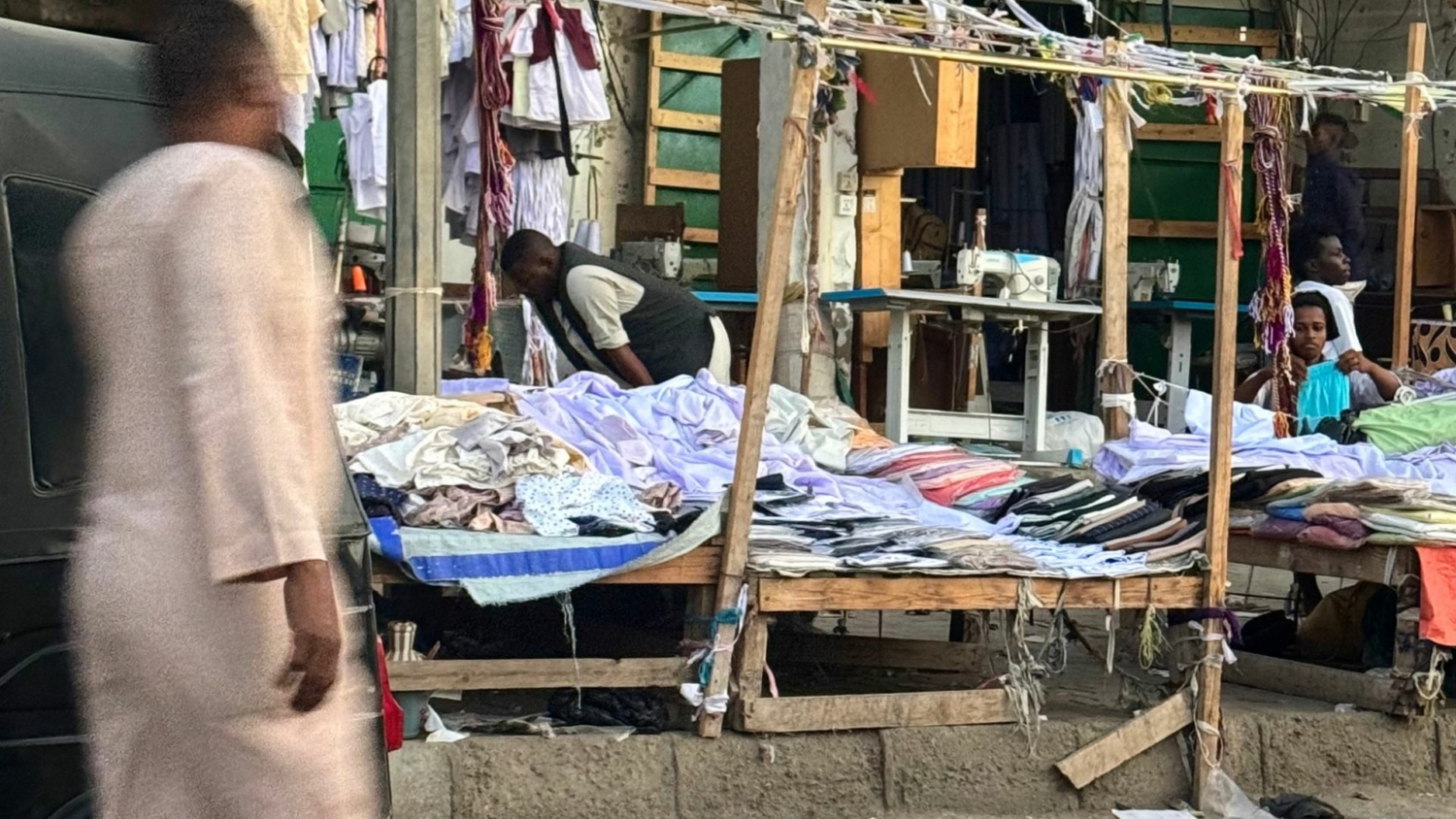
This summer, Muram Ibrahim MURP ’27 worked with the Municipal Office of Planning in Port Sudan, Sudan, contributing to neighborhood analysis, GIS mapping and land-use planning efforts amid the city’s transformation as a center for displaced communities, businesses and government operations. In this Q&A, Muram reflects on the challenges and possibilities of planning in a post-conflict context and the lessons he gained from working directly with local planners.
 What drew you to this internship with the Municipal Office of Planning in Port Sudan, and what interested you most about contributing to post-conflict reconstruction efforts?
My studies, my work has always been guided by the knowledge that ultimately, I would like to practice for most of my career in Sudan. This desire really honed itself after the breakout of the civil-proxy war in 2023. I really value sense of home, and since I know where I want that home to be and I know I want to share it with others, it is only a matter of dedicating the time and the work no matter how dire it may seem.
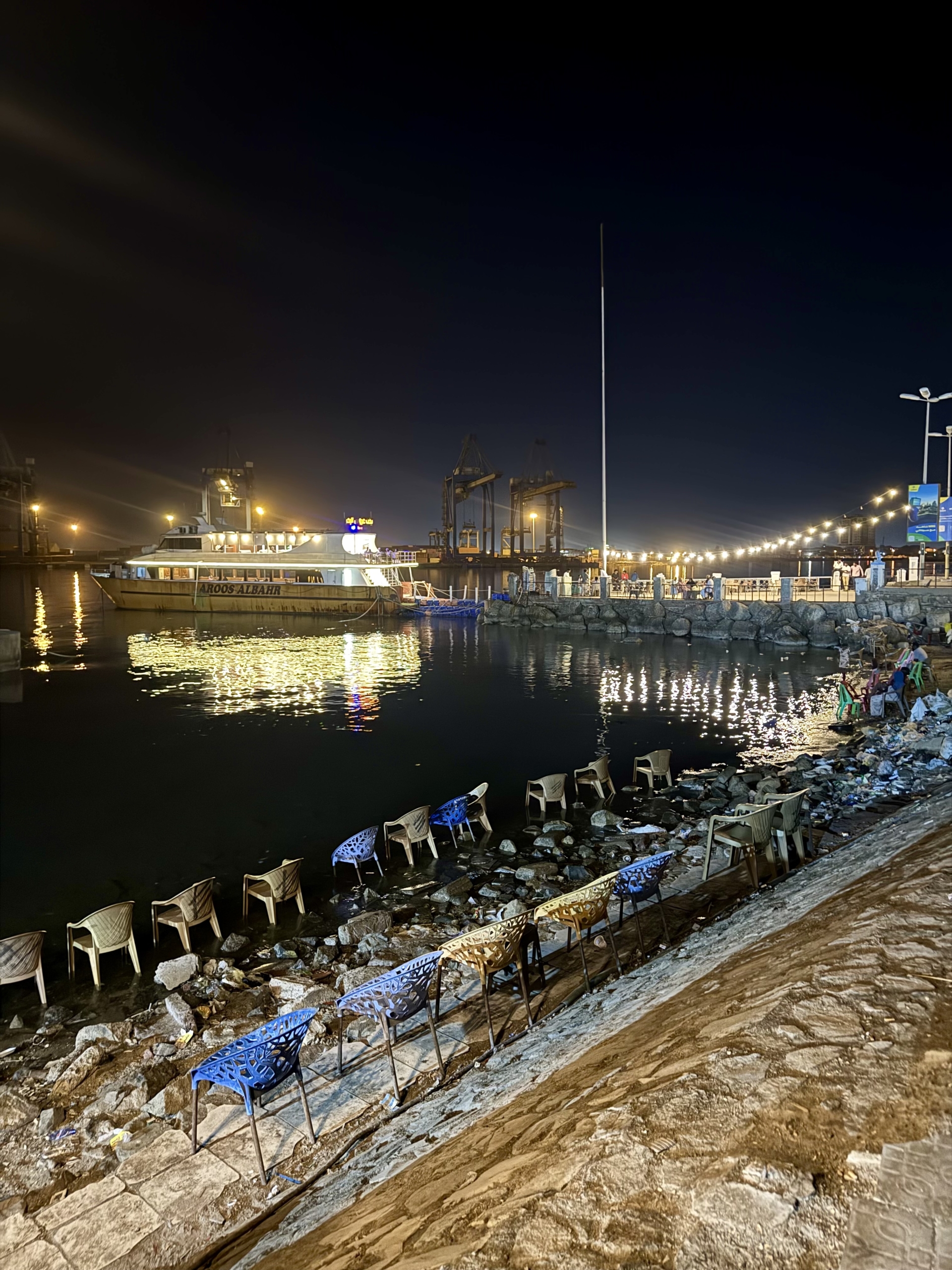
I don’t have many ties to the city of Port Sudan, only that my mother was born there, spending just her pre-school years there with her father who was stationed as a police officer. Yet because many parts of Khartoum are still considered to be unsafe and uninhabitable, Port Sudan was the best option for me, becoming in the last few years a de-facto capital for many people, businesses, and organizations.
Can you tell us about the work you’ve been doing this summer? What kinds of projects or planning initiatives have you been involved with?
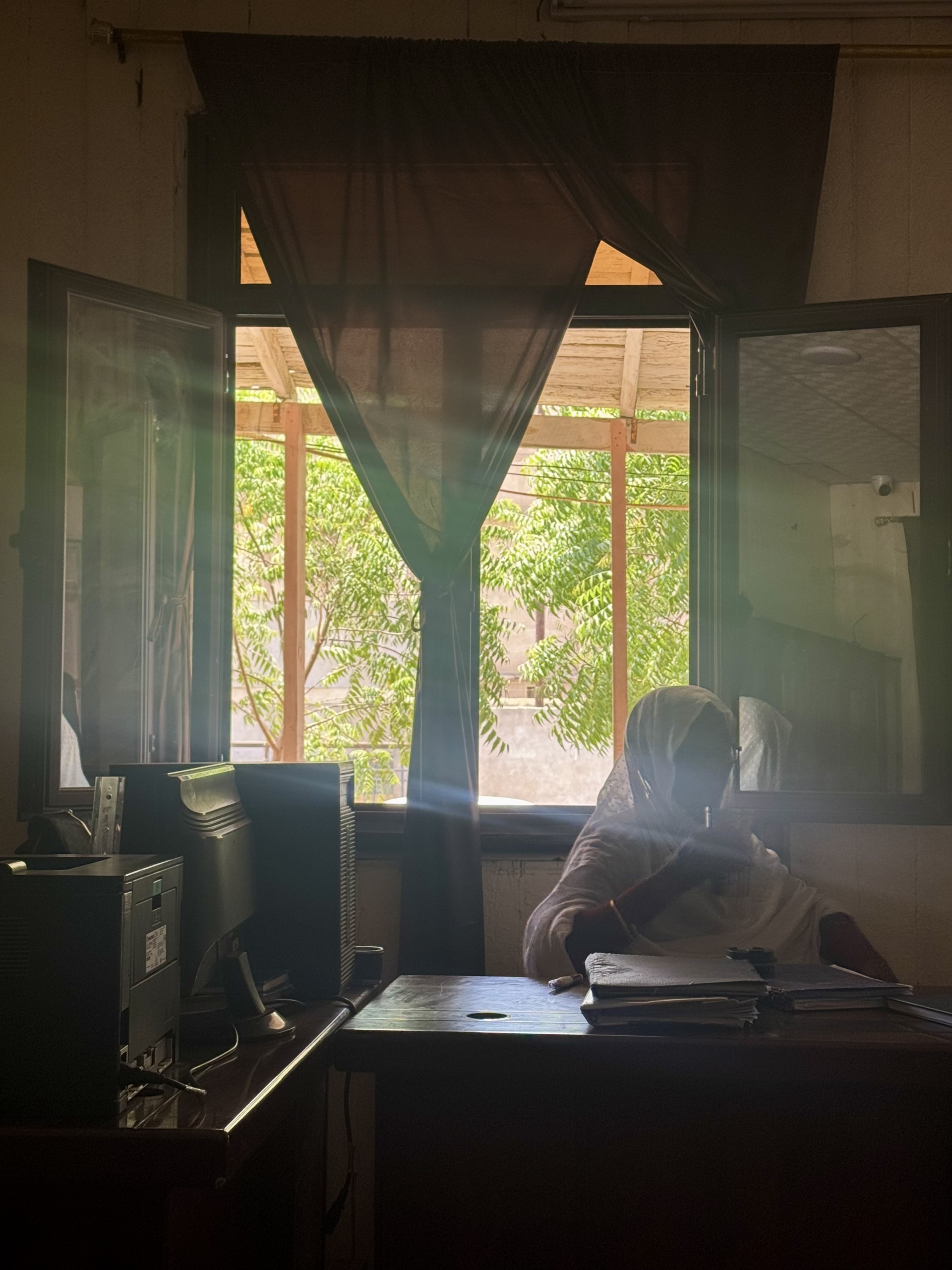
I am working on two main projects this summer. One is a neighborhood analysis using GIS mapping. It is my job to go neighborhood by neighborhood identifying which plots have been designated for housing, commercial, schools, etc. I will then use these maps to determine which neighborhoods blocks have constrained services. Secondly, I am working on designing a land-use plan for a development company interested in developing a residential/tourist compound in the north of Port Sudan.
Port Sudan is undergoing significant transformation as it responds to the needs of displaced communities, new industries, and evolving government priorities. What has this experience taught you about the role of urban planning in helping cities adapt, rebuild, and create more resilient futures?
I think there is no doubt about planning’s role in creating a better, resilient city. Yet in cities like Port Sudan urban planners must work within the confines of many different pressures, stemming from so many directions. They then must balance this with the practices they know are best at keeping the city safe and healthy. It’s a very hard job, one that demands full attention, and for many of the planners I was working with, the day-to-day issues left no time to build out master plans, or visions for the future. This did not mean they didn’t have ideas, or initiatives they wanted to implement. Fundamentally there is a lack of capacity and political power that these planners have. These planners know so much about this city, they have many creative and innovative ideas, I hope that in the future they are awarded the capacity and power to see them through.
Has this experience changed or deepened your perspective on regional or international development? If so, how?
It has definitely deepened and complicated my perspective. Sometimes a classroom setting limits your perspective of international development to an aerial, theoretical view. It also, by nature, paints in broad strokes. I felt very much out of my depths in Port Sudan, which is understandable because I had never been there, never practiced there. This internship really made me appreciate the nuance of planning, the complexity and variety of the practice and how that changes from place to place.



Leave a Reply
Want to join the discussion?Feel free to contribute!