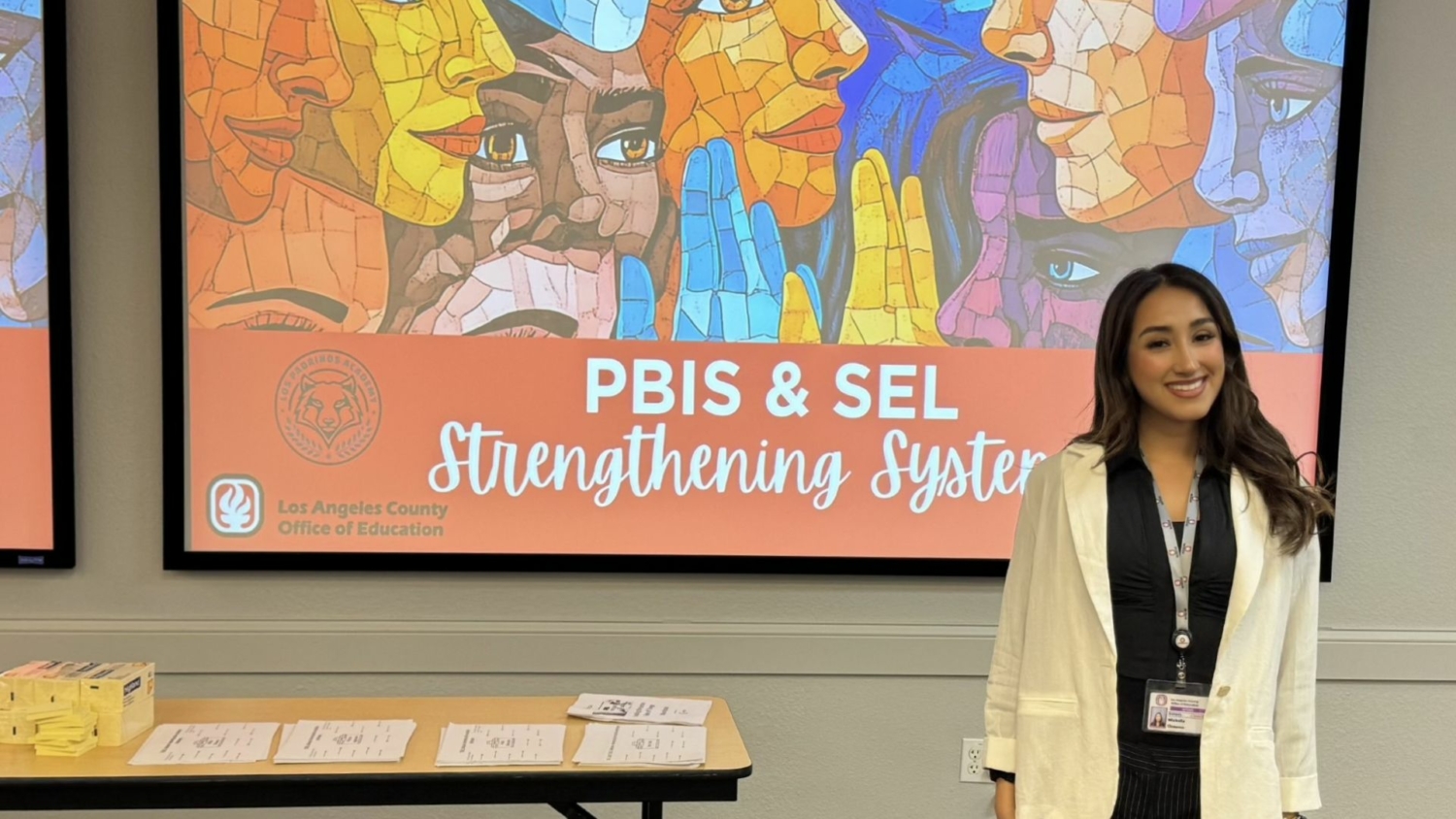
Supporting Justice-Involved Youth: MSW Michelle Cisneros on Trauma-Informed Care

Michelle Cisneros
You’ve worked with justice-involved youth at Los Padrinos Juvenile Detention Center. What has been the most rewarding or eye-opening part of supporting these youth, and how has it shaped your approach to social work?
One of the most eye-opening parts of working with justice-involved youth at Los Padrinos Juvenile Hall has been realizing how many of their behaviors are rooted in unmet needs, trauma, and lack of support rather than simply “bad choices”. Building trust in such a structured environment has been especially rewarding, as seeing a student open up or try new coping and communication skills shows how impactful consistency and genuine care can be. At the same time, I have learned that supporting youth is not just about the one-on-one relationship, but also about building strong connections with the other adults in their lives, including probation staff, teachers, and administration. Establishing that rapport helps create bridges across systems, streamline communication, and makes it easier to provide consistent and effective support when everyone is aligned. This experience has shaped my approach by reinforcing the importance of being trauma-informed, strengths-based, collaborative, and intentional in both direct practice and system-level work.
Looking ahead, how do you hope to apply your Luskin education and field experiences to make an impact on at-risk youth or survivors of violence after graduation?
Looking ahead, I hope to apply what I have learned at UCLA Luskin School of Public Affairs by working with system-impacted individuals in a way that feels both culturally grounded and genuinely supportive. As a Latina in this field, I carry a strong awareness of how culture, family, and community shape the way people experience and talk about mental health, and I want to use that perspective to create spaces where individuals feel seen without having to explain or justify their identities. My goal is not only to provide individual support through skills like emotional regulation and communication, but also to challenge systems that often 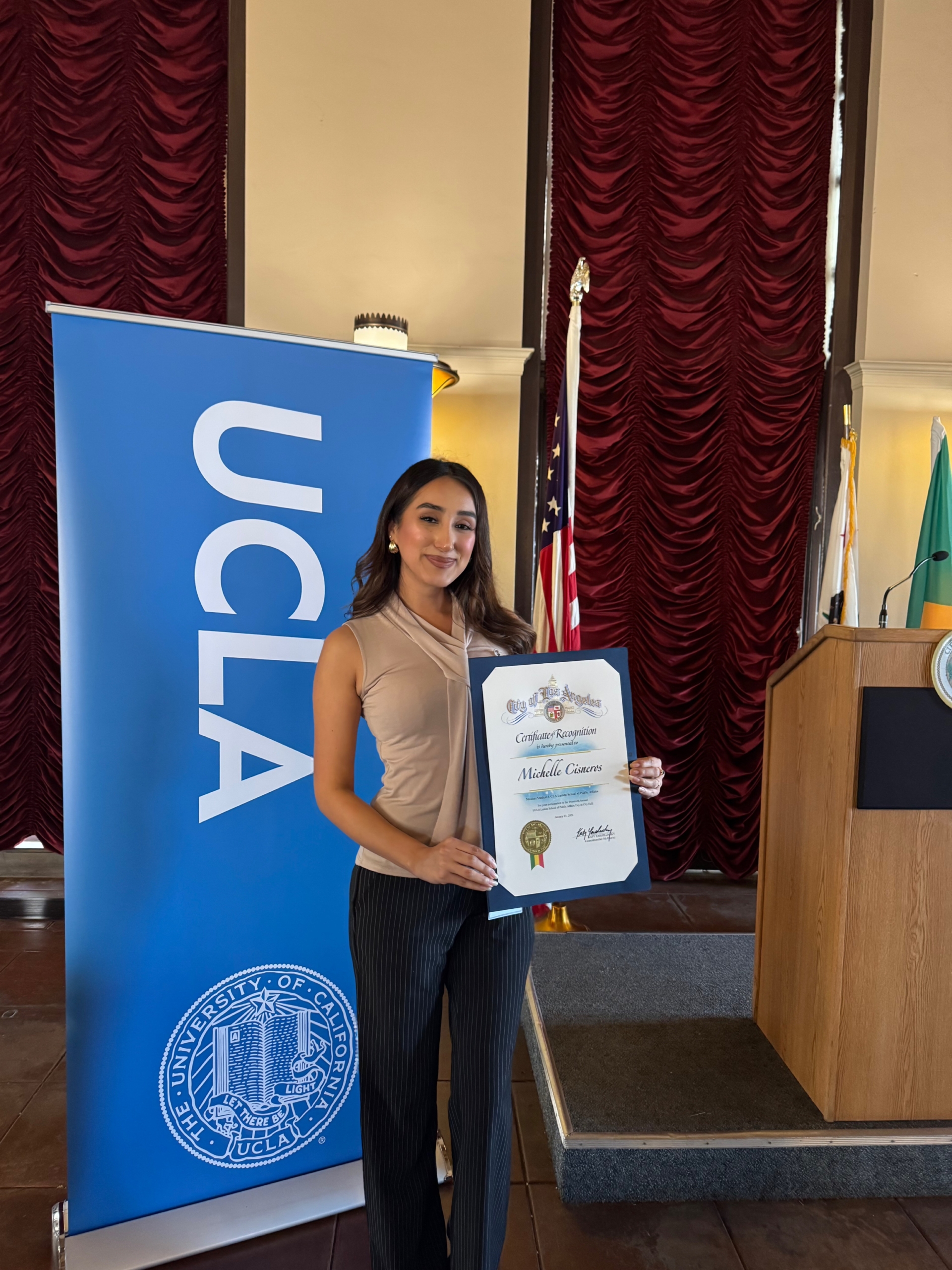 overlook or misunderstand communities like the ones I come from. I hope to bridge direct practice with advocacy by pushing for more accessible, culturally responsive mental health resources and by showing up in this field as someone who reflects the lived experiences of the individuals I serve.
What advice would you give to students or early-career professionals interested in pursuing a career that bridges social work, community engagement, and system-involved populations?
My biggest advice would be to stay open, patient, and grounded in why you chose this work, because working with system-involved populations can be challenging but deeply meaningful. Focus on building strong foundational skills like active listening, rapport building, and trauma-informed care, as these matter more than having all the “right” answers. Seek out hands-on experiences early, even if it feels uncomfortable at first, because that is where the most growth happens. It is also important to understand the systems your clients are navigating while still seeing each person as more than their involvement in those systems. Most importantly, find your why and hold onto it. This work can be heavy, but when you find purpose and happiness in it, along with strong supervision and support, it will help you stay grounded and continue showing up in a genuine way.








Leave a Reply
Want to join the discussion?Feel free to contribute!