Ritterbusch Part of International Team of Scholars Studying Child Rights and Well-Being
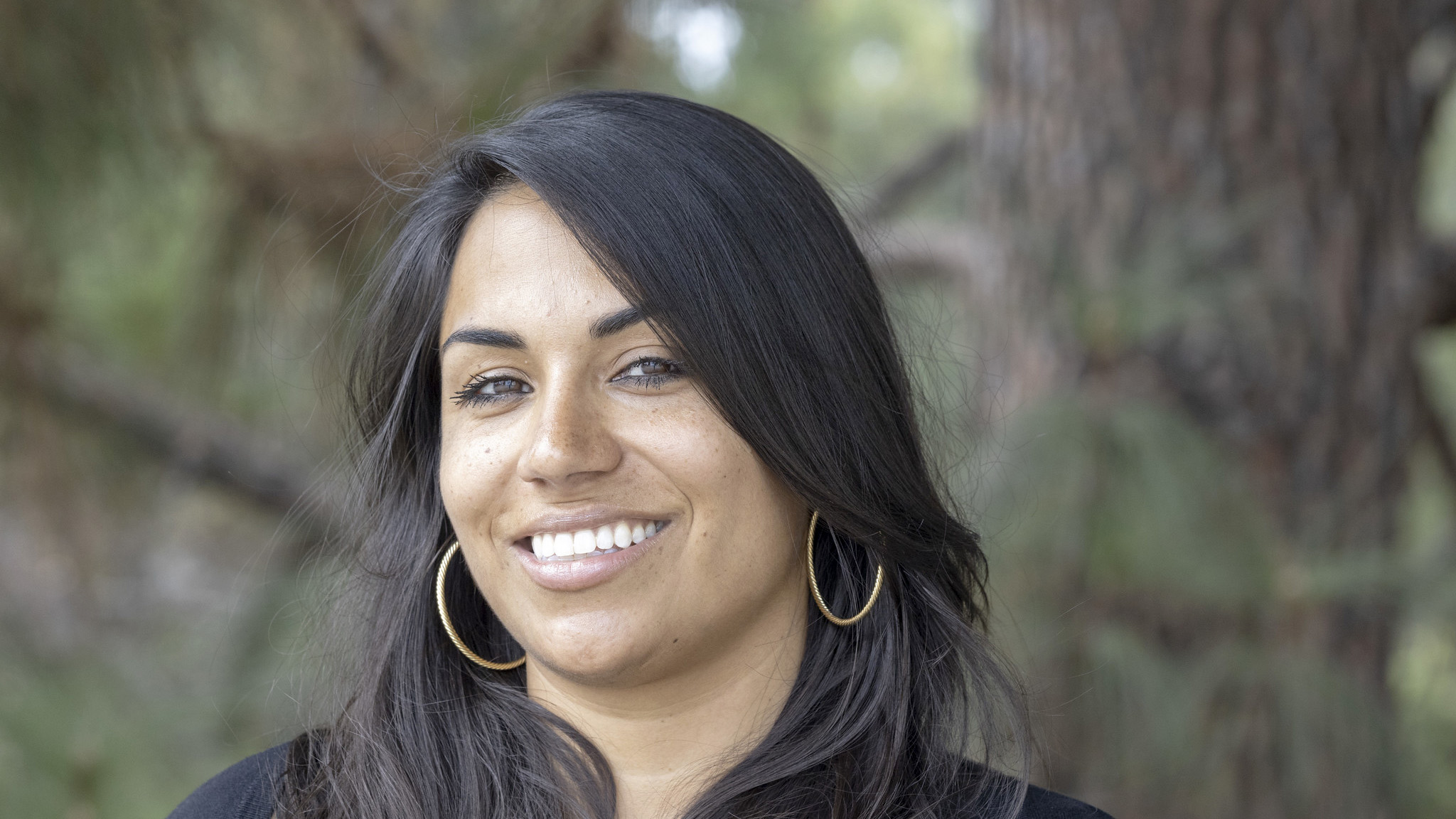
Assistant Professor of Social Welfare Amy Ritterbusch is part of an international team of researchers working on child rights and well-being under a grant awarded to the London School of Hygiene and Tropical Medicine (LSHTM). The multi-country study also includes scholars and activists from Sri Lanka, New Zealand, South Africa and Uganda. “This study will advance current scholarship on two topics related to honor – honor as a factor in sustaining violence against children, and honor as a factor contributing to child well-being through children’s social relationships with family, peers and community,” LSHTM researchers said. Drawing from Ritterbusch’s methodological area of expertise, the research will use child-led participatory approaches that will place children’s voices and experiences at the center of the initiative and that will lead adult researchers toward community-driven solutions to violence in their daily lives. Ritterbusch serves as principal investigator of the Uganda country component of the project. “It continues my work on mobilizing street-level solutions to violence against children in the urban margins of Uganda, including a continuation of child-led advocacy against the multiple forms of police brutality that street-connected children and adolescents experience,” she said. Ritterbusch, a human and urban geographer, has led social-justice-oriented participatory action research initiatives with street-connected communities in Colombia and Uganda. “As part of the team of principal investigators, I will collectively lead the Uganda site of this multi-country study with the street-connected youth researchers I have been working with since 2015 in Kampala,” Ritterbusch said.
Urban Planning Program Wins APA California Chapter Excellence Award
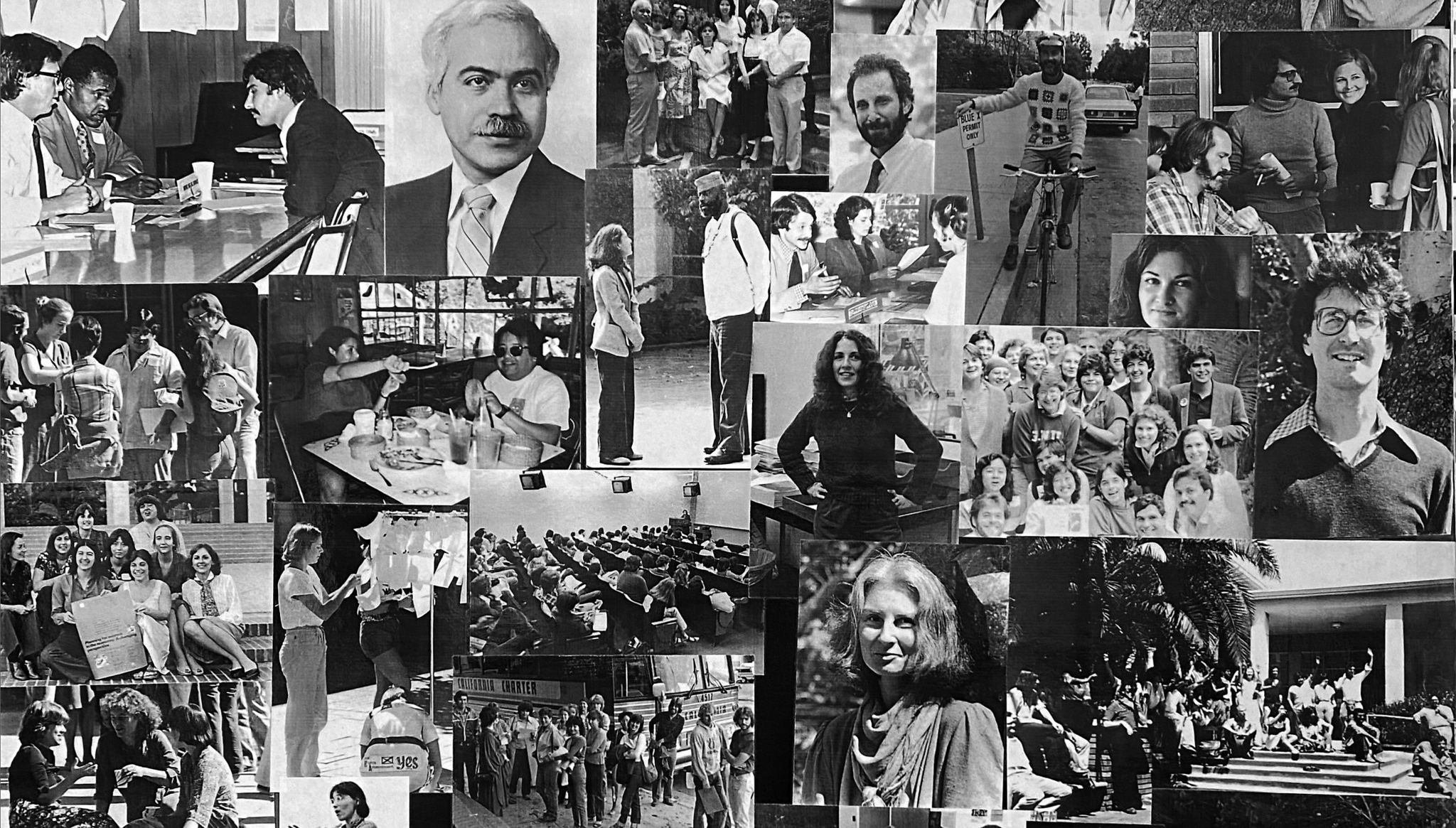
The California Chapter of the American Planning Association honored the UCLA Luskin Urban Planning program with this year’s Landmark Excellence Award, a high accolade in the field of urban planning. Marking its 50th year, UCLA Urban Planning was recognized at the organization’s 2020 annual conference, held online Sept. 14-16. The awards jury acknowledged “the remarkable contributions to planning theory and practice that have emerged from UCLA’s top-tier students and faculty.” Over the past half-century, it said, the program has been “a hub of thought-provoking and ground-breaking scholarship in the field of community development, environmental planning, housing, land development, regional and international development, transportation and urban design.” Also winning an APA California Award was Katelyn Stangl MURP ’19, who received an award of merit under the academic category. As part of her master’s capstone, Stangl prepared a study on parking oversupply. With the help of Los Angeles City Planning, L.A. Department of Transportation and the UCLA Institute of Transportation Studies, she evaluated entitlements, permits and building plans of over 300 developments in Los Angeles. The findings of her research can contribute to making Los Angeles and other cities more walkable, less polluted and better designed by removing the incentives to produce unneeded parking oversupply. APA California is a network of practicing planners, citizens and elected officials committed to urban, suburban, regional and rural planning in the California.

Kaplan on Pandemic Stress, Increased Firearm and Alcohol Sales, and Suicide Risk
“The convergence of stress from the pandemic with increased firearm and alcohol sales creates a hazardous situation for those at risk of suicide,” cautioned Professor of Social Welfare Mark S. Kaplan, co-author of a correspondence in the latest volume of The Journal of Studies on Alcohol and Drugs. Kaplan and a team of researchers from around the United States responded to recent research suggesting an increase in alcohol-related suicides due to the economic decline related to the COVID-19 pandemic. Noting previous co-authored research, Kaplan and his colleagues wrote that “alcohol ingestion itself (and especially acute alcohol intoxication) might be a key risk factor for suicide during and shortly after economic contractions.” The unemployment rate during the current pandemic could exceed that of the Great Depression of the 1930s, especially among socially disadvantaged groups, they point out in the journal published by the Rutgers Center of Alcohol Studies. “Particularly relevant to the economic contraction related to COVID-19, we found that suicide rates were most closely associated with rising poverty. These findings suggest that more than individual-level economic factors are at play in influencing suicide risk; place-level economic shocks also matter,” they noted. Kaplan and his team cite the increase of alcohol sales during a time of physical distancing when people may be becoming intoxicated in isolation. They also noted that the current situation could provide opportunities for suicide prevention. Experts in the field suggest increasing alcohol taxes, limiting times for alcohol sales, reducing the density of alcohol outlets and increasing access to treatment for people with substance use disorders.
Zepeda-Millán Publishes ‘Walls, Cages, and Family Separation’
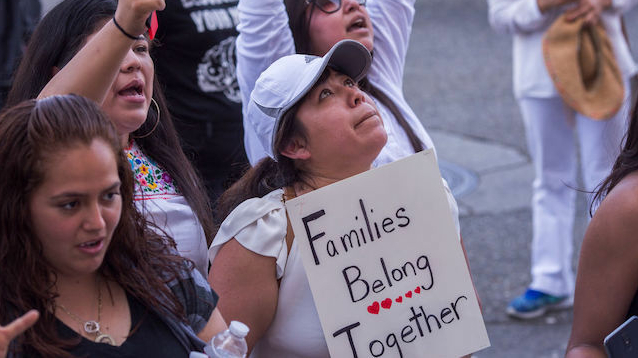
“Walls, Cages, and Family Separation: Race and Immigration Policy in the Trump Era,” a new book co-authored by Associate Professor of Public Policy Chris Zepeda-Millán and University of Washington Associate Professor Sophia Jordan Wallace, takes a closer look at the evolution of U.S. immigration policy leading up to and during the presidency of Donald Trump. Published by Cambridge University Press, “Walls, Cages, and Family Separation” examines the “deeply racist roots” of U.S. immigration policy, which have been exacerbated by the Trump administration’s racially charged rhetoric and policies, including the border wall, migrant family separation and child detention measures. Zepeda-Millán and Wallace point to Trump as the “most blatantly anti-Latino and anti-immigrant president in modern American history” and examine the factors motivating his support base. Their research shows that resentment and fear among whites who feel culturally threatened by Latinos motivates them to support Trump’s immigration policies. They examine how support for immigrant detention and the wall has shifted over the duration of Trump’s presidency, as well as the stereotypes and misinformation that play a role in public perception of immigrants and immigration policy. While Trump’s immigration policies have been widely criticized and are unpopular with many Americans, Zepeda-Millán and Wallace argue that Trump is relying on his ability to “politically mobilize the most racially conservative segment of whites who back his draconian immigration enforcement measures” in his bid for reelection. “Walls, Cages, and Family Separation” is Zepeda-Millán’s second book, following his first release, “Latino Mass Mobilization: Immigration, Racialization, and Activism.”
UCLA Voting Rights Project Scores Court Victories
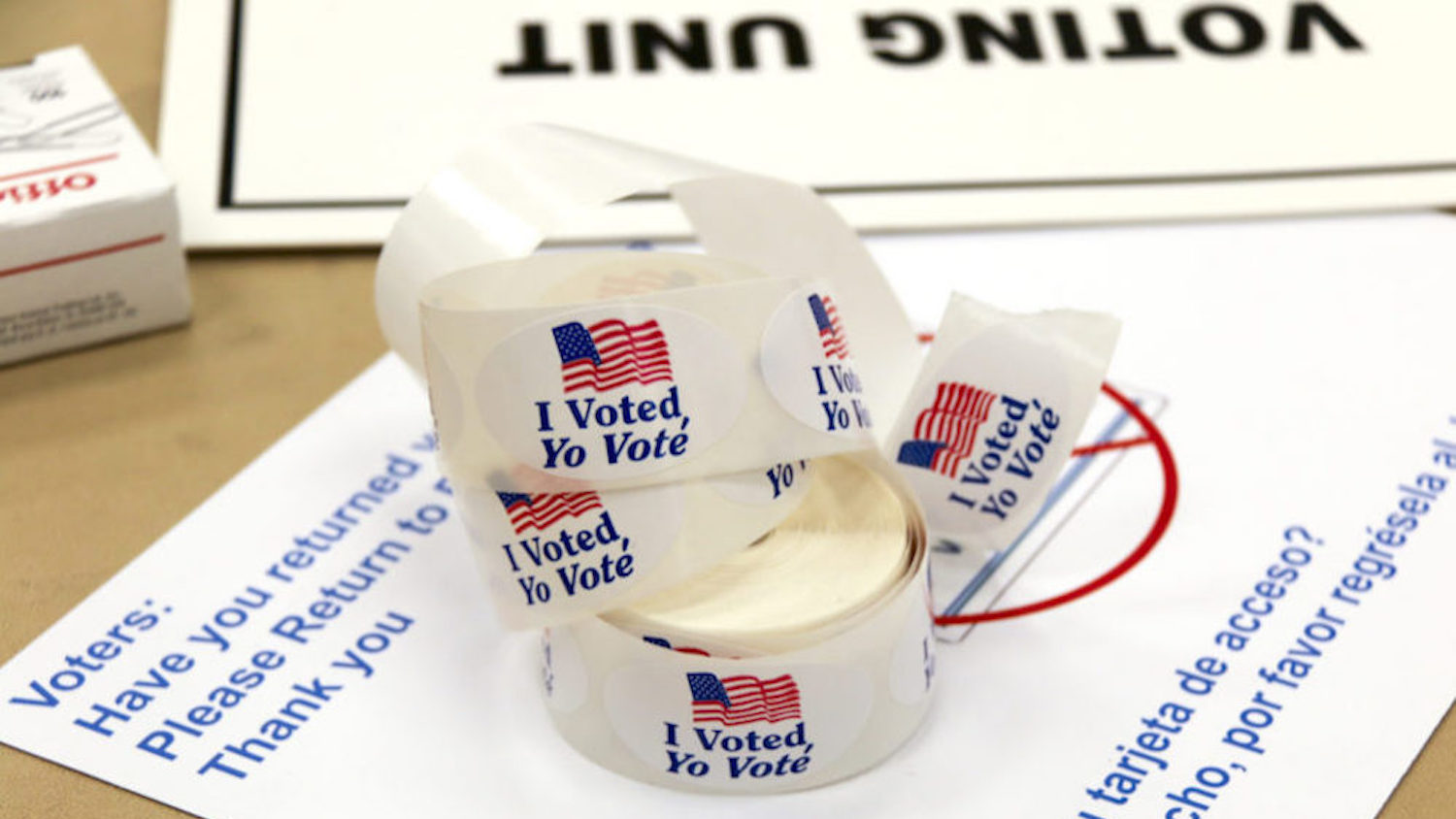
UCLA’s Voting Rights Project (VRP) scored major court victories in Texas and Pennsylvania in its fight against attempts to suppress the voice of voters in this critical election year. In Texas, a federal judge blocked Gov. Greg Abbott’s attempt to limit ballot drop boxes to one per county. VRP, part of the Latino Policy and Politics Initiative at UCLA Luskin, partnered with the League of United Latin American Citizens to sue Abbott. Chad Dunn, VRP’s director of litigation, argued the case in federal court on Oct. 8. The following day, U.S. District Judge Robert Pitman struck down Abbott’s order, finding that it resulted in substantial confusion, created burdens on disabled, elderly and minority voters, and “likely violates their fundamental right to vote.” To support the case, Matt Barreto, VRP’s faculty director, co-authored an expert report with research fellow Michael Rios MPP ’20 and political science doctoral students Chelsea Jones and Marcel Roman. They documented that Abbott’s rule would force some voters to travel more than 90 miles round-trip to a downtown ballot return center, as opposed to a satellite county office within five miles. The research also found that many voters preferred using official drop-off sites rather than mailing in their ballots due to concerns about Postal Service slowdowns. In Pennsylvania, a U.S. District Court dismissed a lawsuit filed by President Trump’s reelection campaign that sought to place several restrictions on voting, including prohibiting voters from submitting ballots in drop boxes. VRP submitted an expert report documenting the importance of ballot drop boxes and the need to prevent voter intimidation. In the event these rulings are appealed, VRP is ready to file an appellate brief to defend every citizen’s right to vote.
Update: On Oct. 27, the Texas Supreme Court upheld the governor’s order to restrict the state’s counties to only one drop-off site for mail-in ballots.

Villasenor Co-Authors Book on ‘Unassailable Ideas’ on Campuses
A new book by Public Policy Professor John Villasenor examines the dominant belief system on American campuses, its uncompromising enforcement through social media and the consequences for higher education. In “Unassailable Ideas: How Unwritten Rules and Social Media Shape Discourse in American Higher Education,” Villasenor and co-author Ilana Redstone argue that higher education is being reshaped by a campus culture that is increasingly intolerant to diverse views and open inquiry, a trend that is exacerbated by the narrow lens of social media. The book, which will be released Oct. 15, highlights a newly emerged environment in higher education that forecloses entire lines of research, entire discussions and entire ways of conducting classroom teaching. Following their critiques of the well-intentioned unwritten rules about identity on college campuses, Villasenor and Redstone present a set of recommendations to build a new campus climate that would be more tolerant toward diverse perspectives and open inquiry. The book has garnered praise from scholars including University of Pennsylvania Professor Jonathan Zimmerman, who said, “The real danger to higher education isn’t a cabal of jack-booted censors but the much subtler forces that discourage us from critiquing our dominant assumptions about multiculturalism, discrimination and identity.” Cal State Los Angeles Sociology Professor Bradley Campbell said “Unassailable Ideas” is a must-read for anyone seeking to understand the serious threat to free speech and academic freedom at American colleges and universities.
As Election Nears, LPPI Hosts Roundtable With Philanthropic Leaders About Latino Agenda
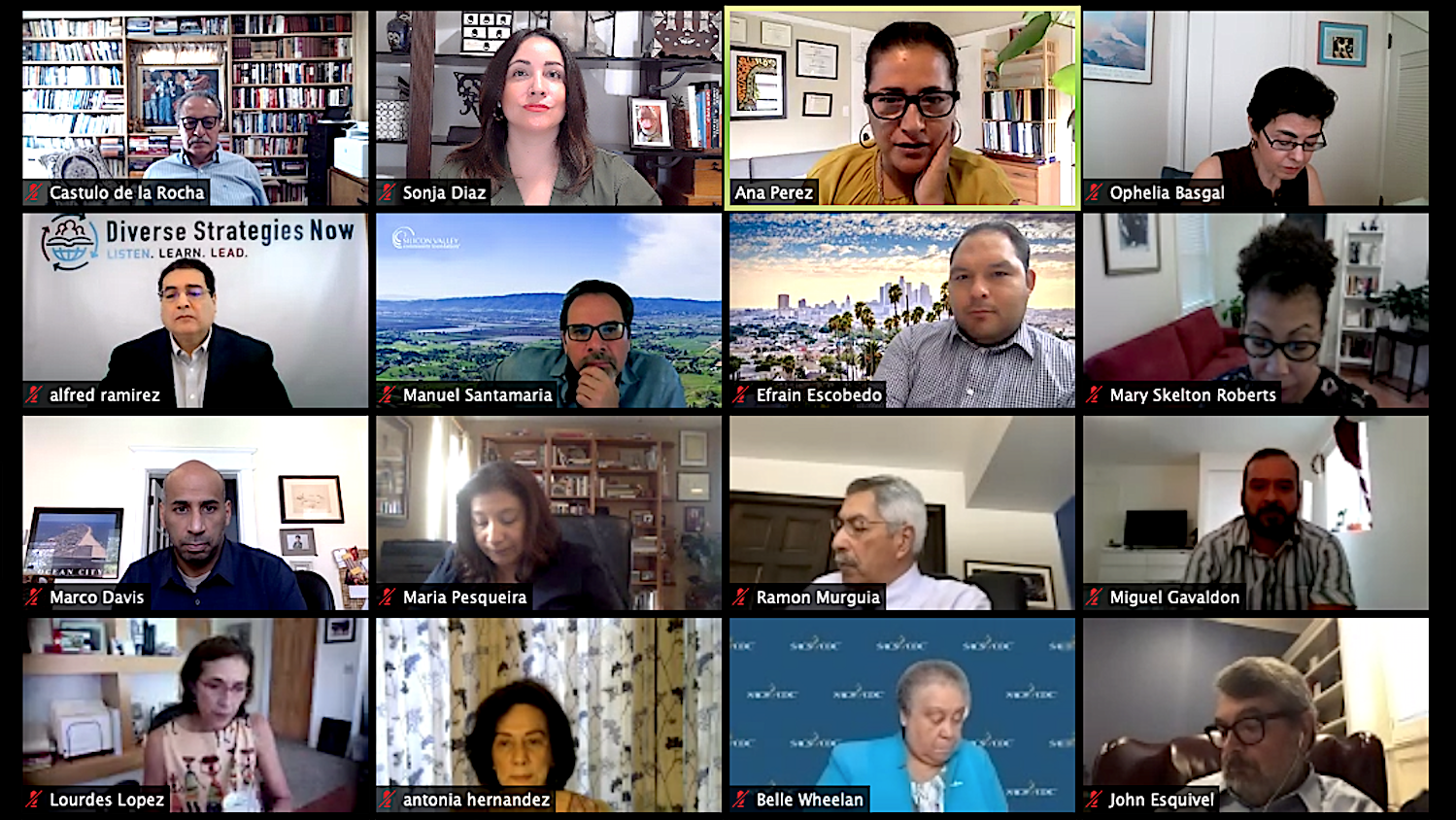
Working with Hispanics in Philanthropy, the UCLA Latino Policy and Politics Initiative, or LPPI, hosted a virtual conversation Oct. 1 with 29 philanthropic leaders about shaping a political agenda for Black and brown people. Titled “Juntos Ganamos,” or “Together We Win,” the discussion centered on “Shaping a 21st Century Latino Agenda,” a blueprint recently created by UCLA LPPI for policy reforms on issues that include climate change, health, economic opportunity and voting rights. The COVID-19 pandemic has deepened existing inequities, and the agenda seeks to address systemic racial injustices and chart a path forward. The roundtable was the first in a series in which Latinx foundation presidents, CEOs and trustees will examine the role of philanthropy amid a global pandemic, ongoing economic inequality and a renewed focus on violence involving police. “There is importance in building unity and coalition among all communities of color, while recognizing the efforts, lives and leadership of our Black peers,” said María Morales MPP ’20, who helped put together the roundtable. Speakers included Sonja Diaz, founding director of the initiative, who said Latino workers often experience “invisibility” in the workplace. “Essential should not be interchangeable with disposable,” Diaz said. Roundtable attendees also learned about research that demonstrates that Black, brown, Asian and Indigenous people combine to make up America’s new majority, potentially influencing policy for years to come. Mobilizing such voters is essential for both parties in the November elections, presenters noted, and philanthropy can play a key role in helping to build solidarity among ethnic communities. — Eliza Moreno
