• Public Policy
  • Social Welfare
  • Real Estate Development
  • Urban Planning
  • Undergraduate Program
  • Stay in Touch
  • Events Calendar
  • Give Now
  • About
    • Our Dean
    • Board of Advisors
    • Contact Us
    • Visit Us
    • Diversity, Disparities and Difference
    • Communications
      • UCLA Luskin in the News
      • Luskin Forum Online
  • Departments
    • Public Policy
    • Real Estate Development
    • Social Welfare
    • Undergraduate Program
    • Urban Planning
  • Apply
    • Master of Public Policy
    • Master of Real Estate Development
    • Master of Social Welfare
    • Master of Urban and Regional Planning
      • Double Degree With Sciences Po
    • PhD in Social Welfare
    • PhD in Urban Planning
    • Undergraduate Programs
  • Faculty
    • All
    • Public Policy
    • Social Welfare
    • Urban Planning
    • Real Estate Development
    • Faculty Executive Committee
    • Open Positions
  • Student Affairs & Alumni
    • Career Services
      • Employers
      • Fellowships
    • Student Support
    • Graduate Resource Library
    • Alumni Relations
  • Support
  • Programs
    • Research Centers & Affiliated Research
    • CA Title IV-E Education Program
    • Global Public Affairs (GPA)
    • Data Analytics Certificate
    • Luskin Lecture Series
    • Luskin Summit
    • UCLA Luskin California Policy Briefing
    • Public Service Weekend
    • Commencement
  • Administration
    • Financial Services
    • Events Office
    • Information Technology
  • Search
  • Menu Menu

Archive for category: Urban Planning

Former Governors Wilson, Davis Discuss Housing, Crime and More at Luskin Summit The two leaders, a Republican and a Democrat, express their differing perspectives on 'The State of California'

April 27, 2022/0 Comments/in Alumni, Business and the Environment, Climate Change, Development and Housing, Education, Environment, For Faculty, For Policymakers, For Students, For Undergraduates, Politics, Public Policy, Public Policy News, School of Public Affairs, Social Welfare News, Urban Planning Jim Newton, Zev Yaroslavsky /by Les Dunseith

By Les Dunseith

Former California governors Pete Wilson and Gray Davis headlined the closing session of Luskin Summit 2022: Research in Action on April 22, often tackling political issues from starkly different perspectives.

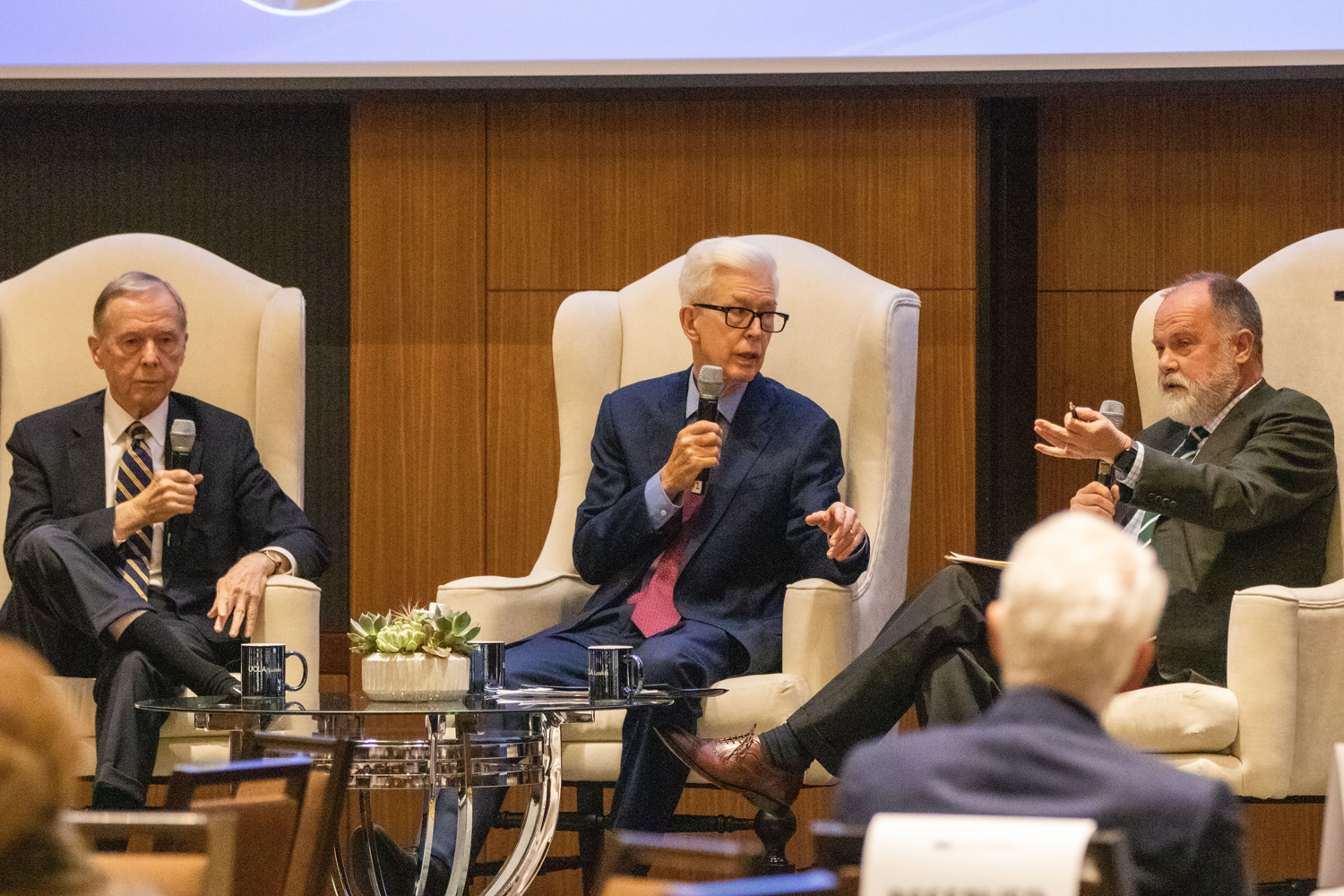
In a session moderated by UCLA Blueprint Editor-in-Chief Jim Newton and titled “The State of California,” the former governors explored topics such as the economy and inflation, housing, environmental issues and rising crime during a discussion that mostly reflected a tone of respectful disagreement.

The governors spoke during a half-day event at the Luskin Conference Center at UCLA to close out this year’s Luskin Summit, which is a series of research-informed, cross-sector explorations of the major issues facing Los Angeles and California. The day’s agenda also included the unveiling of the annual Quality of Life Index led by Zev Yaroslavsky, a well-known former elected official in Los Angeles who, like Newton, is now a faculty member associated with the UCLA Luskin School of Public Affairs.

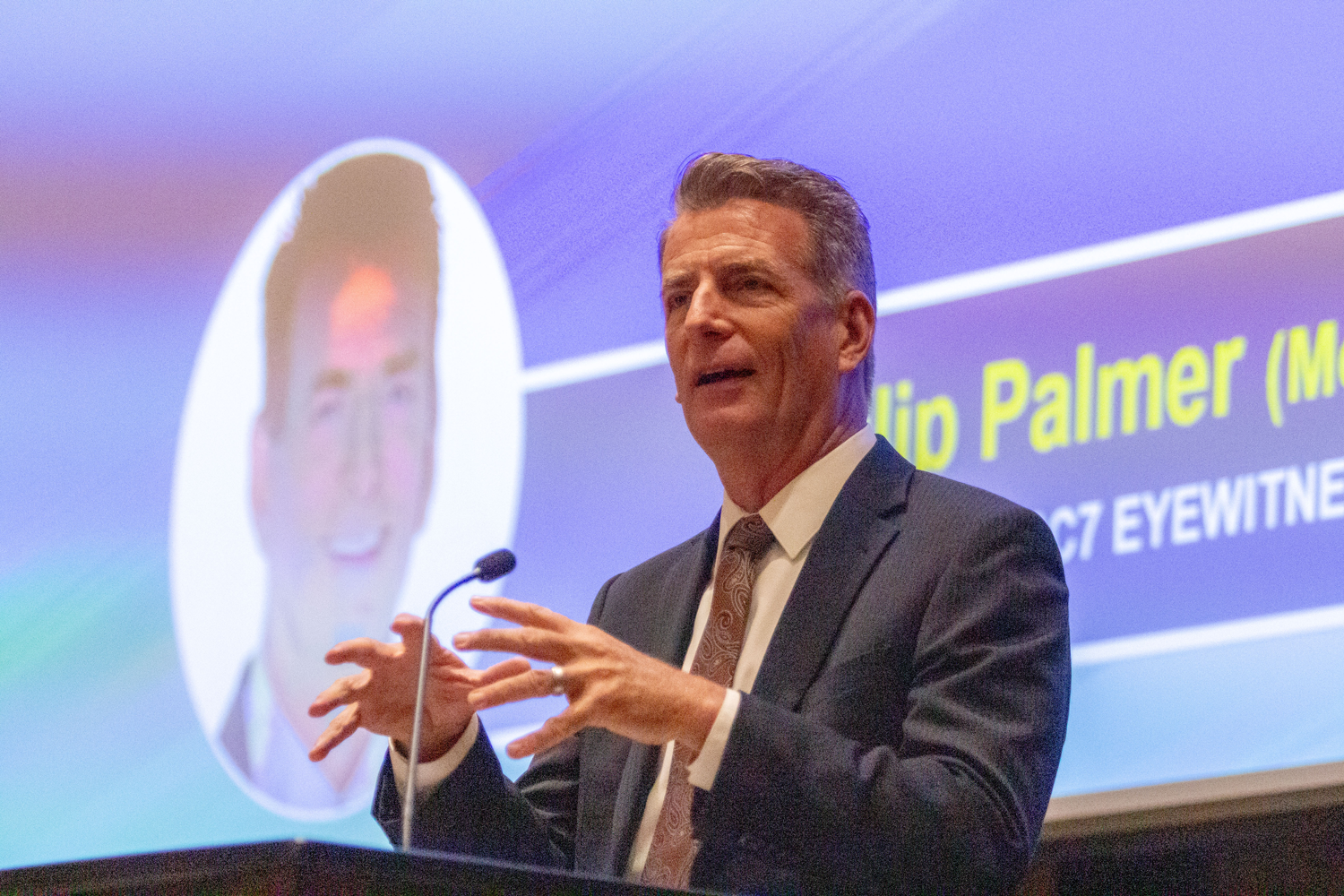
Yaroslavsky’s session, which was moderated by news anchor Phillip Palmer of ABC7, explained why the rating in his survey of Los Angeles County residents fell to its lowest point in seven years of existence. A majority of respondents said they are dissatisfied with the overall quality of their lives as reflected in nine categories, including cost of living, education, the environment and public safety. And those topics were also front of mind during the governors’ discussion.

Wilson, a Republican who was California governor from 1991 to 1999, took note of the current $80 billion revenue surplus in California, saying that if current lawmakers can’t solve the state’s shortcomings, it won’t be for lack of funds.

“The state is rolling in money. That’s not the problem,” he said when asked by Newton to speculate on the public’s downbeat mood. “The way it is spent is what’s causing a lot of the dissatisfaction. There are people who are very much concerned about crime because they’ve seen a dramatic shift, a really discernible shift. And they’re concerned about their children’s education, and they should be.”

Davis, a Democrat who was governor of California from 1999 to 2003, took a different tack on Californians’ current mood in the wake of the COVID-19 pandemic.

“There’s a lot of good news globally, nationally and in California as it relates to people working again, and lower unemployment rates,” he said. “The bad news is that people have been through a very tough time. This has been two-and-a-half years where we’ve been told we can’t do this, we can’t do that. … People don’t like to be told what they can’t do.”

Solving society’s problems will require innovation, Davis said, and California is the right place. The number of U.S. patents that originated in California in recent years, he said, is roughly four times the number originating in the state that comes in second, Texas.

“If you want to invent something, this is the place to do it, in California,” he said. “We invent, we design, we create.”

Davis took note of the setting, a public research university in a state that is widely respected for its institutions of higher education. Mentioning that UCLA Chancellor Gene Block was in attendance, Davis continued, “There is nothing better about California than its 10 UC campuses. Nobody in the country has anything close to this.”

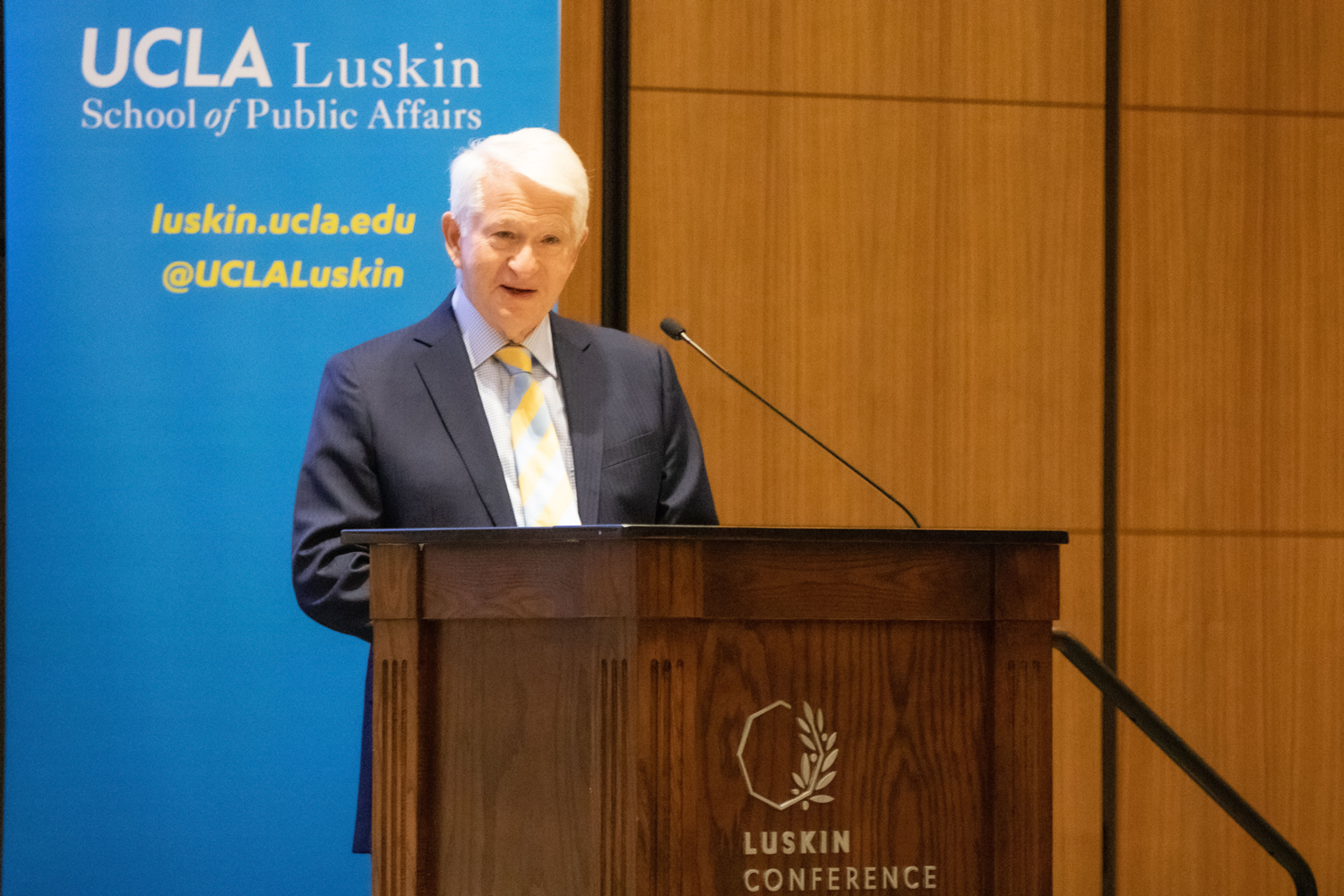
Block provided the introduction for the session, noting that Los Angeles faces substantial challenges relating to public safety, the ongoing pandemic and a shortage of affordable housing.

“These issues are bearing down on people all across the state. We’re not alone,” Block said. “Addressing them is going to require scholars, businesspeople, community leaders to really work together and devise and enact solutions.”

Noting the presence of the two former governors, Block continued. “Wisdom is gained by experience, and we have a vast amount of that here.”

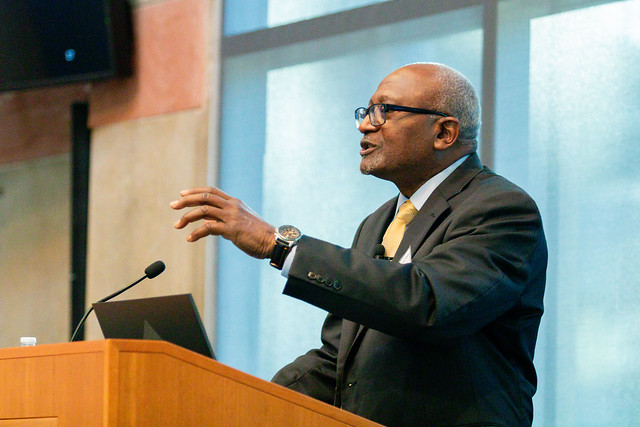
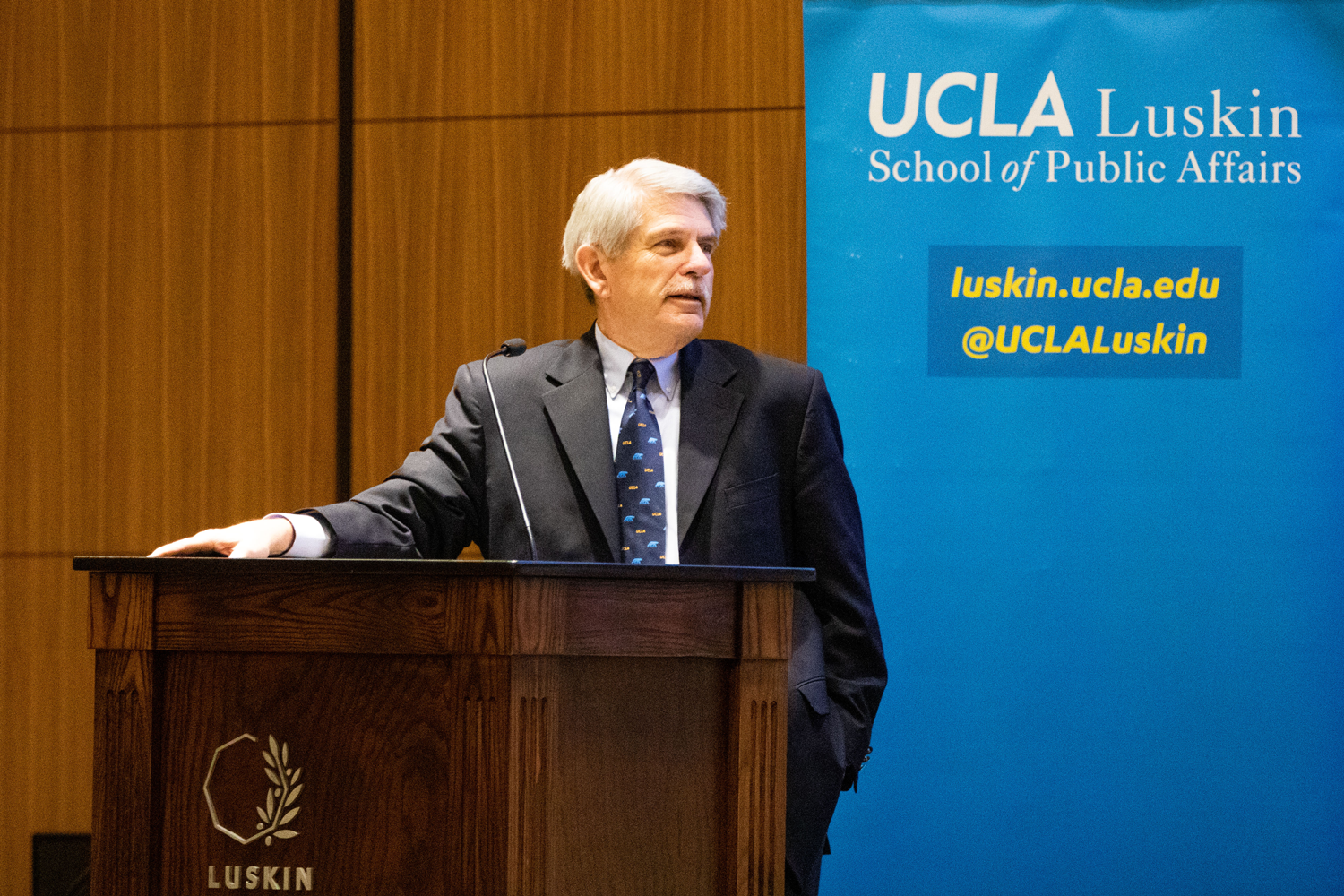
Pete Wilson gestures during presentationRepublican Pete Wilson cited rising crime and the pandemic’s impact on schoolchildren as the top issues of concern among Californians. Photo by Les Dunseith
Pete Wilson gestures during presentation
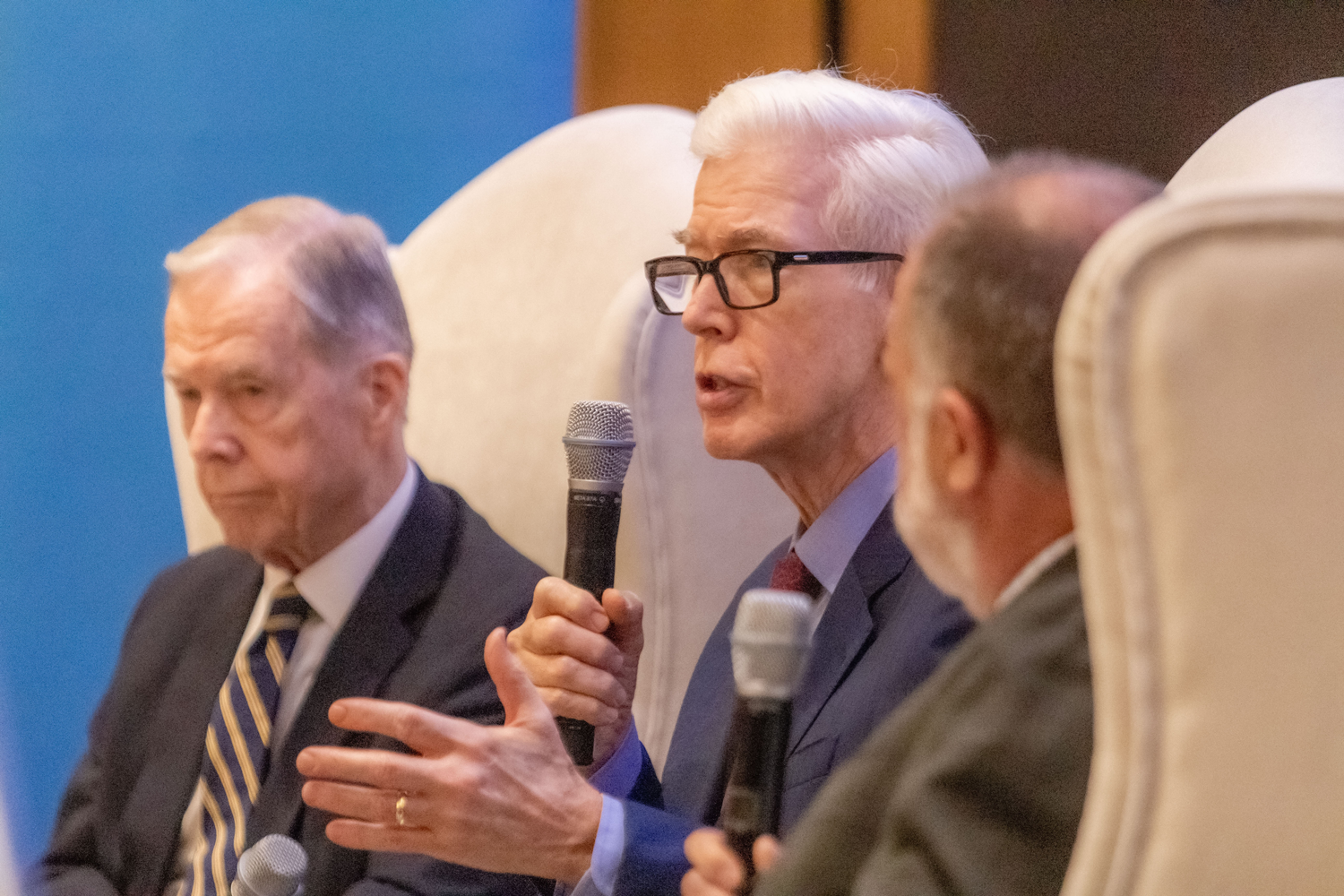
Gray Davis gestures during presentation
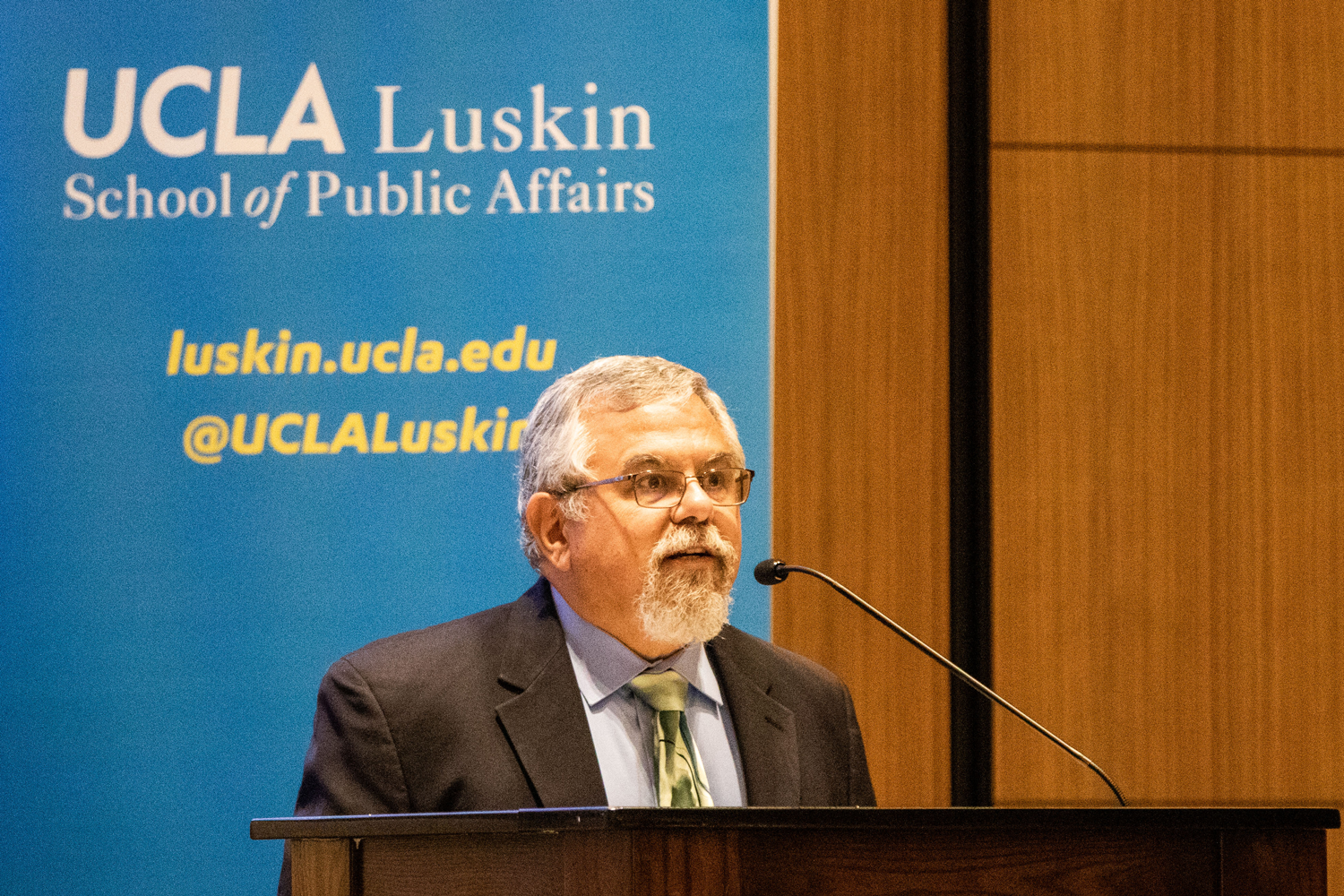
Chancellor Gene Block speaks during presentation at podium
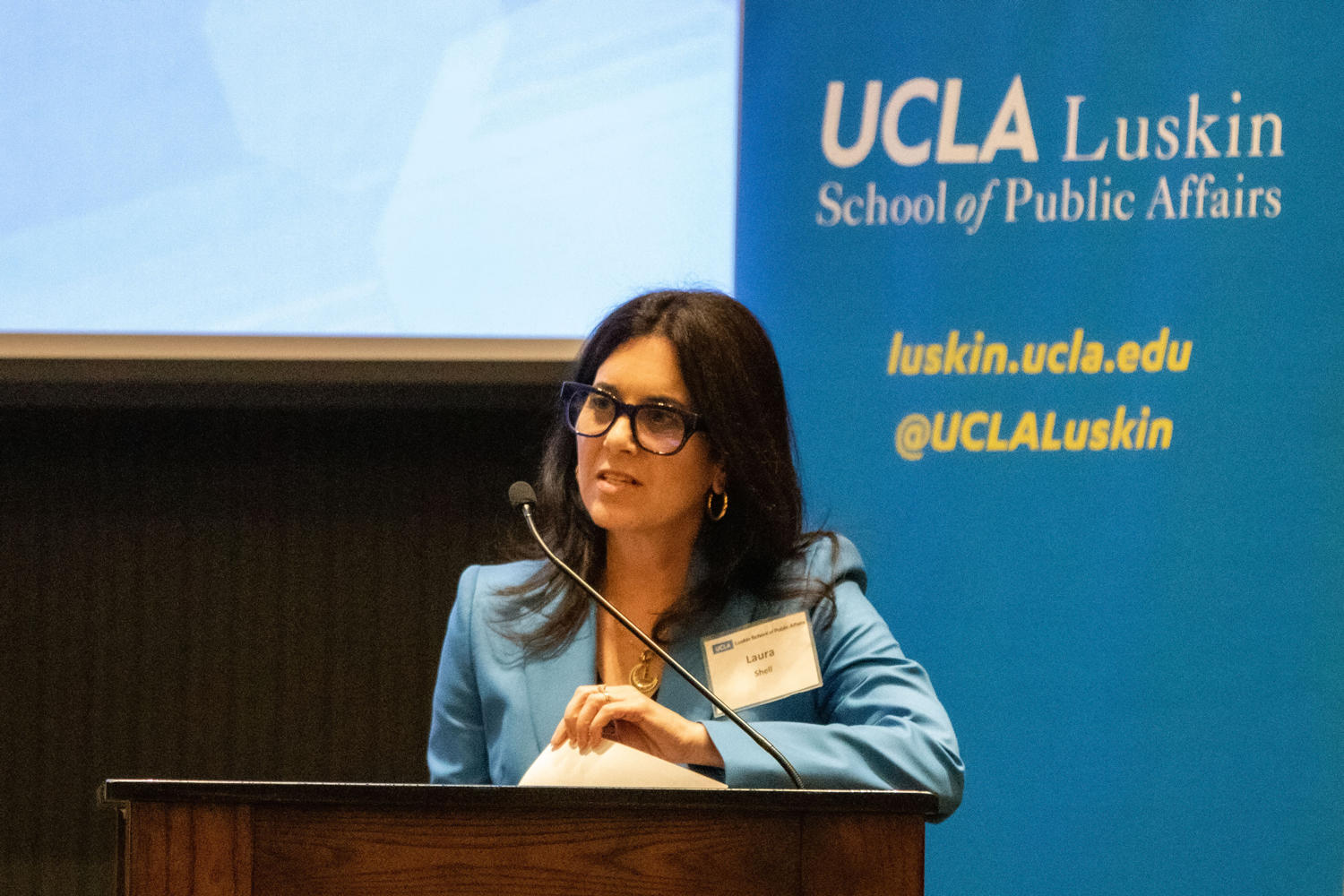
Photo shows Laura Shell at a podium
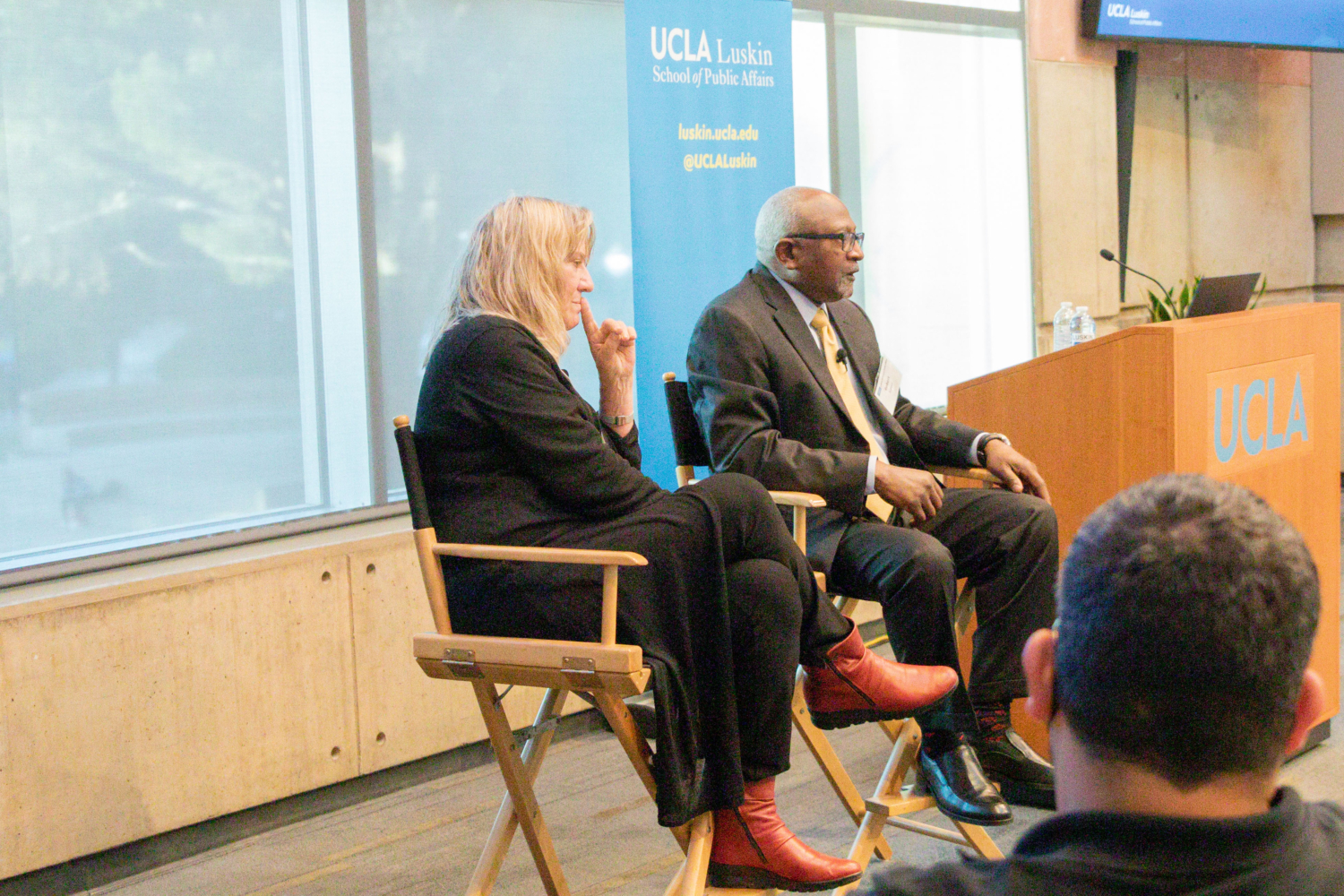
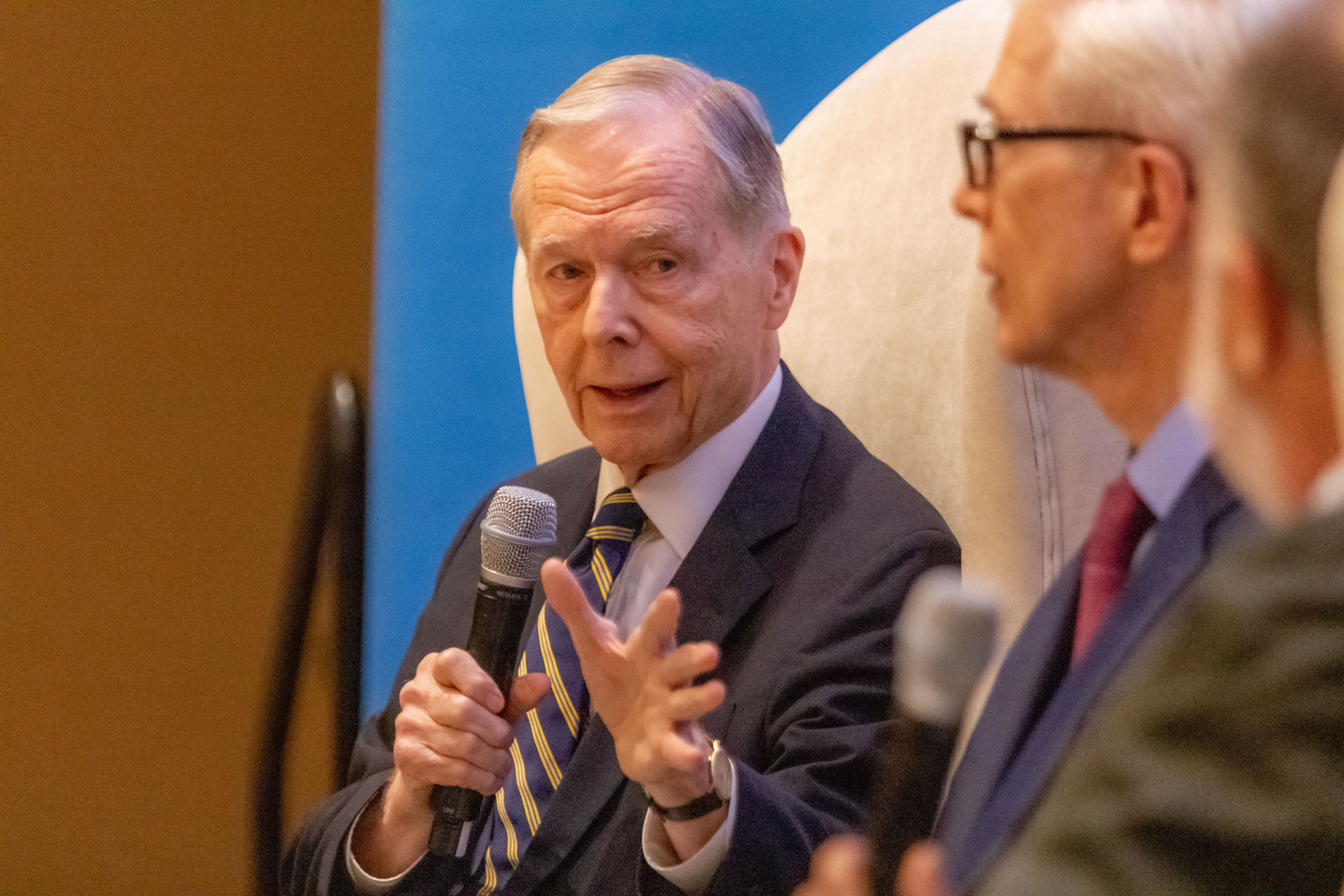
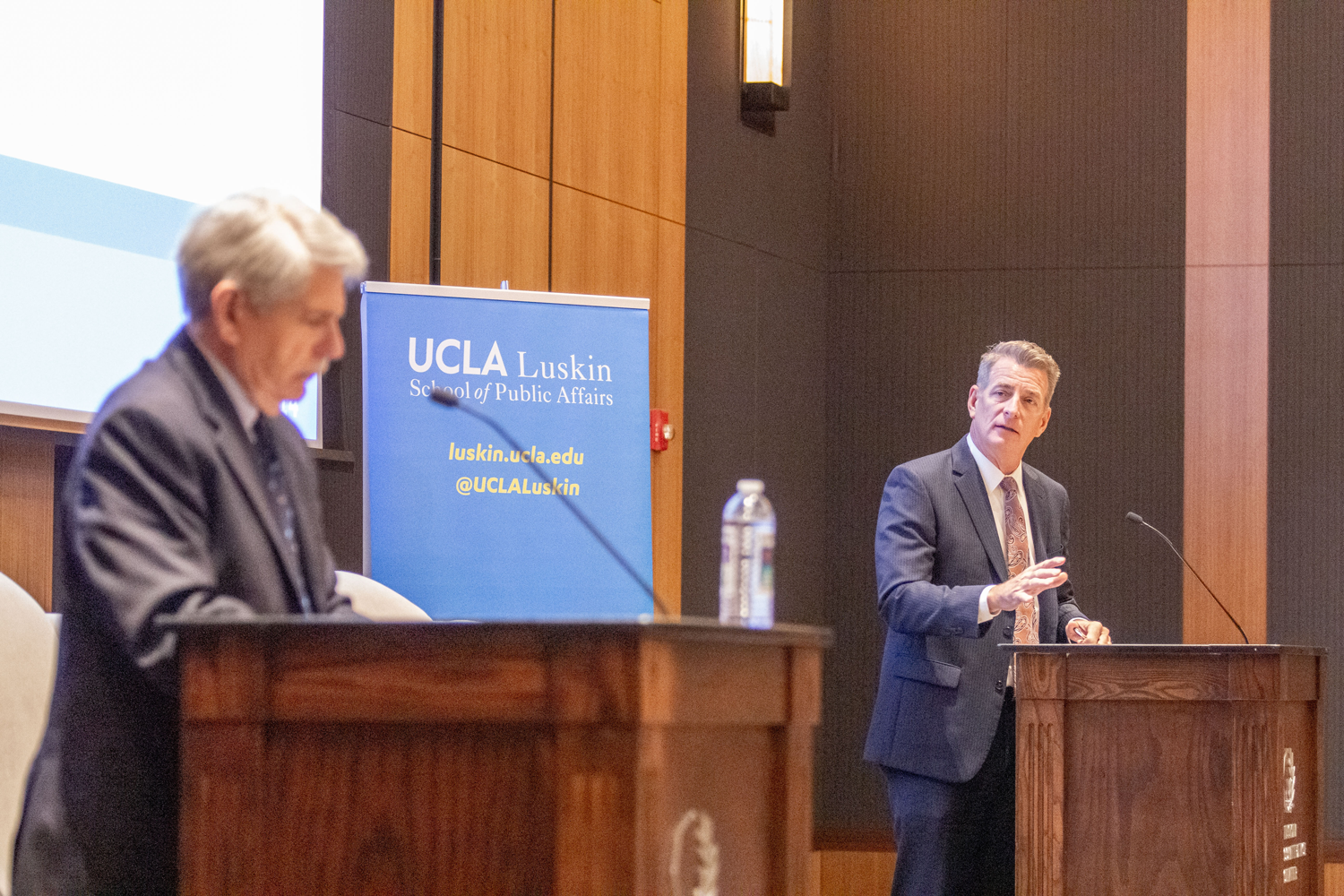
Two former governors and moderator sit in large chairs on stage during UCLA event

Newton, a former reporter and editor at the Los Angeles Times whose books include a recent biography of two-time governor Jerry Brown, asked Wilson and Davis to talk about their approaches to public safety.

Davis acknowledged crime rates are on the rise, although not to “where they were in the ’90s when Pete Wilson and I were a governor.”

One solution, he said, lies in effective law enforcement.

“Police have to be part of the equation,” said Davis, acknowledging past abuses by some officers. “Anyone who saw the video of the George Floyd murder knows it was appalling, not acceptable, and should never happen again. But there are some common-sense reforms that I think most law enforcement agree with.”

He called for a balanced approach. “The police have to behave in a respectful way, treat people with dignity, in a way that commands respect.”

Wilson echoed the sentiment. “It’s called community policing. And it makes great sense, as does treating people respectfully when you stop them as a police officer.”

In his view, however, effective law enforcement is too often undermined by a lenient criminal justice system, especially regarding violent crime.

“I think I was the first governor in the country to sign — what was also subsequently in the same year, an initiative measure — that was called three strikes. And what it did was to focus on recidivism, on the people who were career violent criminals. … It’s not fair to play with people’s lives by letting people out on the street who are known violent criminals.”

Davis countered by pointing to a shortcoming of taking a hard-line approach to crime — overcrowded prisons that tend to perpetuate societal and racial inequities. Incarceration without rehabilitation doesn’t work either.

“Getting people to transition from prison back to productive life requires an extraordinary amount of help,” he said.

Perhaps no public policy issue better represents the divide between the haves and have-nots in California than the housing crisis. At a time when many homeowners are sitting on a fortune in housing equity, millions of people in the state struggle to pay rent. Some end up homeless.

“The California legislature has to get serious about making housing more affordable,” Davis said.

He pointed to legislation pending in Sacramento that would allocate $25 billion to an agency that could help potential homebuyers with a down payment and closing costs. Another effort in the private sector is offering 10% of a home’s down payment in exchange for 25% of the homeowner’s future equity.

“I’m not saying it’s perfect, but that’s on the right track,” Davis said.

Wilson pointed to the California Environmental Quality Act, known as CEQA, passed in 1970 and signed by then-governor Ronald Reagan, as a major hurdle to building more affordable housing in the state.

“The best single thing that could happen is for CEQA to be reformed because that has held up the construction of homes,” said Wilson, who decried the long wait that developers often face to clear the environmental protection review process. “It has hugely added to the delay in providing housing. And that has cost a fortune in terms of the ultimate buyer.”

But the legislation still has value, Newton said. “It is protective of the environment. No?”

Davis jumped into the discussion.

“Look, the original idea was: If Caltrans was building a freeway, the public should comment on it, and it should be thoroughly debated before it occurs,” he said.

Today, circumstances have changed, and the focus has turned to building homes for the state’s large population. Environmental reviews and public hearings about land use take time, but there are ways to shorten the process.

“The good news is we are making some progress,” Davis said. “When it comes to the homeless — anything for the building of shelter for the homeless and for all the services attended to in mental health and social services — all those buildings should be exempt [from CEQA].”

Newton also asked the governors to weigh in on another hot button topic, giving some of the state’s budget surplus back to Californians.

“Absolutely. I mean, gas prices are near a record high,” Davis said.

“Well, I think that it’s not bad, but it’s like dipping into [the country’s] petroleum reserve, it’s not the answer,” Wilson said.

Newton pressed forward, seeking to clarify that both former governors think the current governor, Gavin Newsom, should send a portion of the California surplus back to the state’s residents.

“We have a big surplus. It should be used for one-time expenditures like this,” Davis said.

“If it’s a one-time, modest solution, that will help,” Wilson said.

“You do agree,” Newton said, smiling. “I was surprised.”

Soon after, Newton thanked the former elected officials for their years of government service and their willingness to participate in a public discussion of political issues seen from their different vantage points.

“We all will disagree on things,” Newton said to the in-person audience and those watching online. “I think it’s too commonplace these days to assume that disagreement is [just cause] to be enemies. And it’s heartening to have the both of you here to show otherwise.”

Watch a recording of the session:

See additional photos from both April 22 sessions on Flickr:

Luskin Summit 2022 Closing Sessions

Annual Survey of Los Angeles County Residents Finds Lowest Satisfaction Ever Anger over fast-rising costs and worries about crime and the quality of education are among key factors driving down the latest Quality of Life Index

April 22, 2022/0 Comments/in Education, For Faculty, For Policymakers, For Students, For Undergraduates, Politics, Public Policy, Public Policy News, Research Projects, School of Public Affairs, Social Welfare, Social Welfare News, Urban Planning Zev Yaroslavsky /by Les Dunseith

By Les Dunseith

Los Angeles County residents are not happy.

They don’t like paying more for gasoline, fresh eggs or electricity. They’re worried about their family’s health and their children’s education. They don’t like hearing that homelessness and crime are up, and their confidence in public officials to solve such problems is down. And COVID-19? They just want to be done with it. 

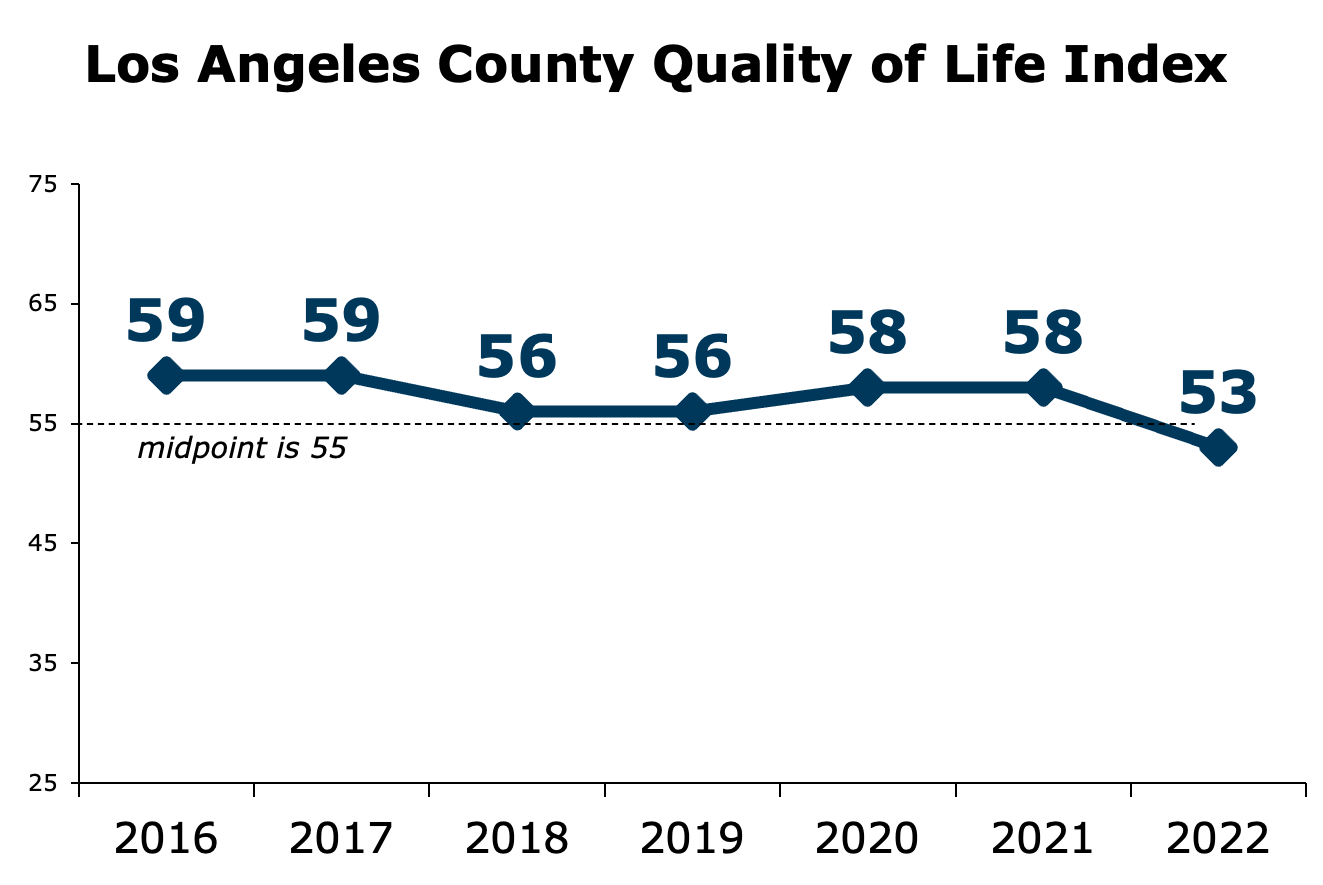
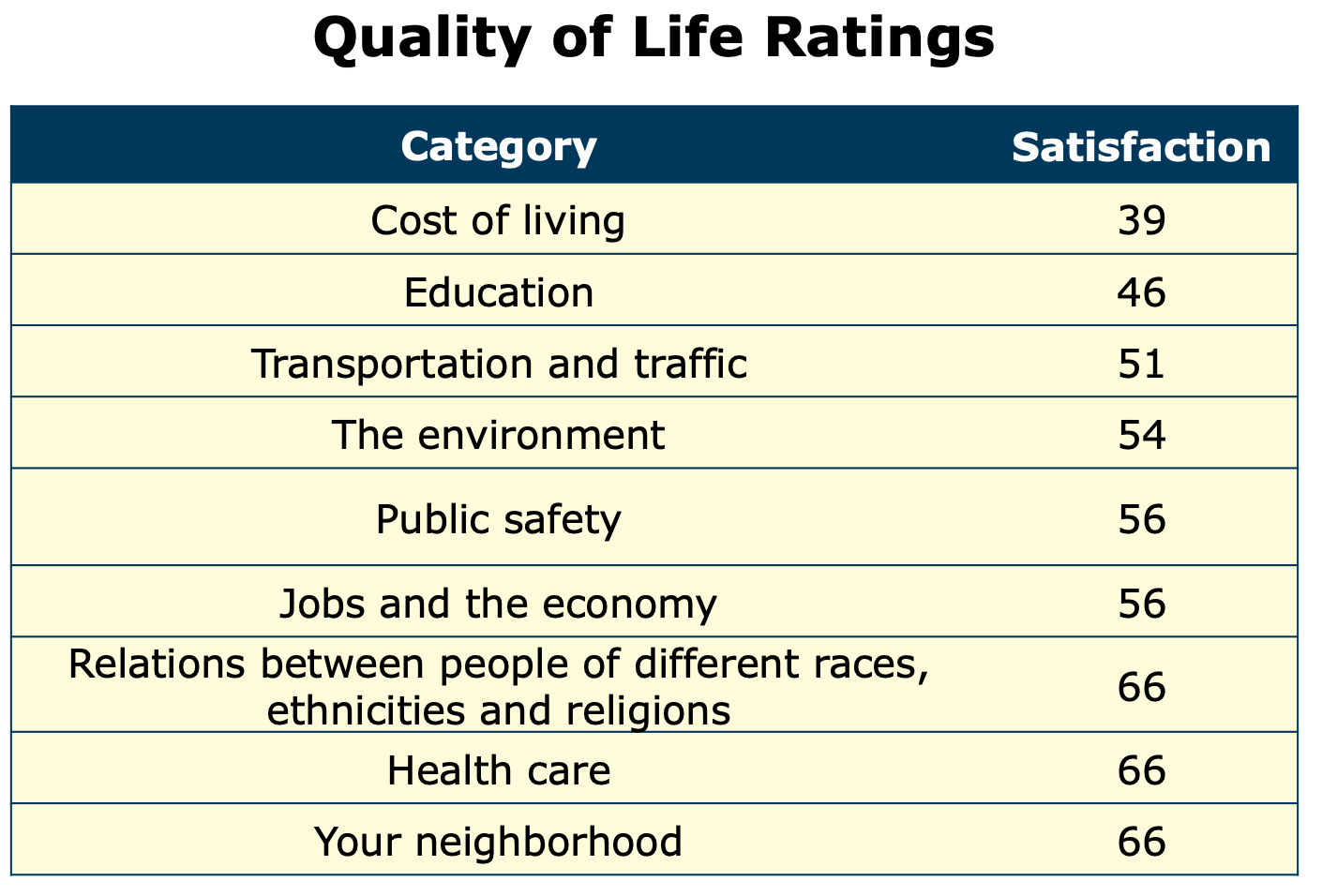
Those are some of the key takeaways from the latest Quality of Life Index, or QLI, a project of the Los Angeles Initiative at the UCLA Luskin School of Public Affairs that measures county residents’ satisfaction levels in nine categories. The overall rating fell sharply, from 58 last year to 53 on a scale from 10 to 100, marking the first time it fell below the survey’s 55-point midpoint since the index launched in 2016. That means a majority of respondents are dissatisfied with the overall quality of their lives.

“For the first time since the inception of this survey, respondents’ ratings dropped in each of the nine categories, and eight of the nine fell to their lowest rating ever,” said Zev Yaroslavsky, director of the Los Angeles Initiative, who oversees the index. 

Researchers noted that overall satisfaction had remained relatively stable, between 56 and 59, throughout the survey’s first six years, despite drought, fires and the profound societal changes of the pandemic. But that changed as prices of food, gasoline and public utilities spiked in recent months — a trend that accelerated in the weeks after Russian troops invaded Ukraine in late February.

“What the pandemic couldn’t do over the last two years, inflation and increases in violent and property crime succeeded in doing,” Yaroslavsky said. “It appears that the dam has burst this year.” 

This year’s QLI is based on interviews conducted in English and Spanish with 1,400 county residents over 30 days beginning on March 5. The survey has a margin of error of plus or minus 2.6%.

Scores declined in all nine of the survey categories, but the issues that were most responsible for the overall decline were cost of living, education and public safety.

“These three issues contributed heavily to the overall drop in our respondents’ satisfaction,” Yaroslavsky said. “Clearly, they are driving the political debate in this year’s city and county elections.”

Zev Yaroslavsky smiles during UCLA eventZev Yaroslavsky is the director of the Los Angeles Initiative based at the Luskin School and director of the annual Quality of Life Index. Photo by Mary Braswell
Zev Yaroslavsky smiles during UCLA event
Dean Gary Segura at podium welcomes attendees
Zev Yaroslavsky listens as Phillip Palmer asks a question
News anchor Phillip Palmer of ABC7 gestures at UCLA event
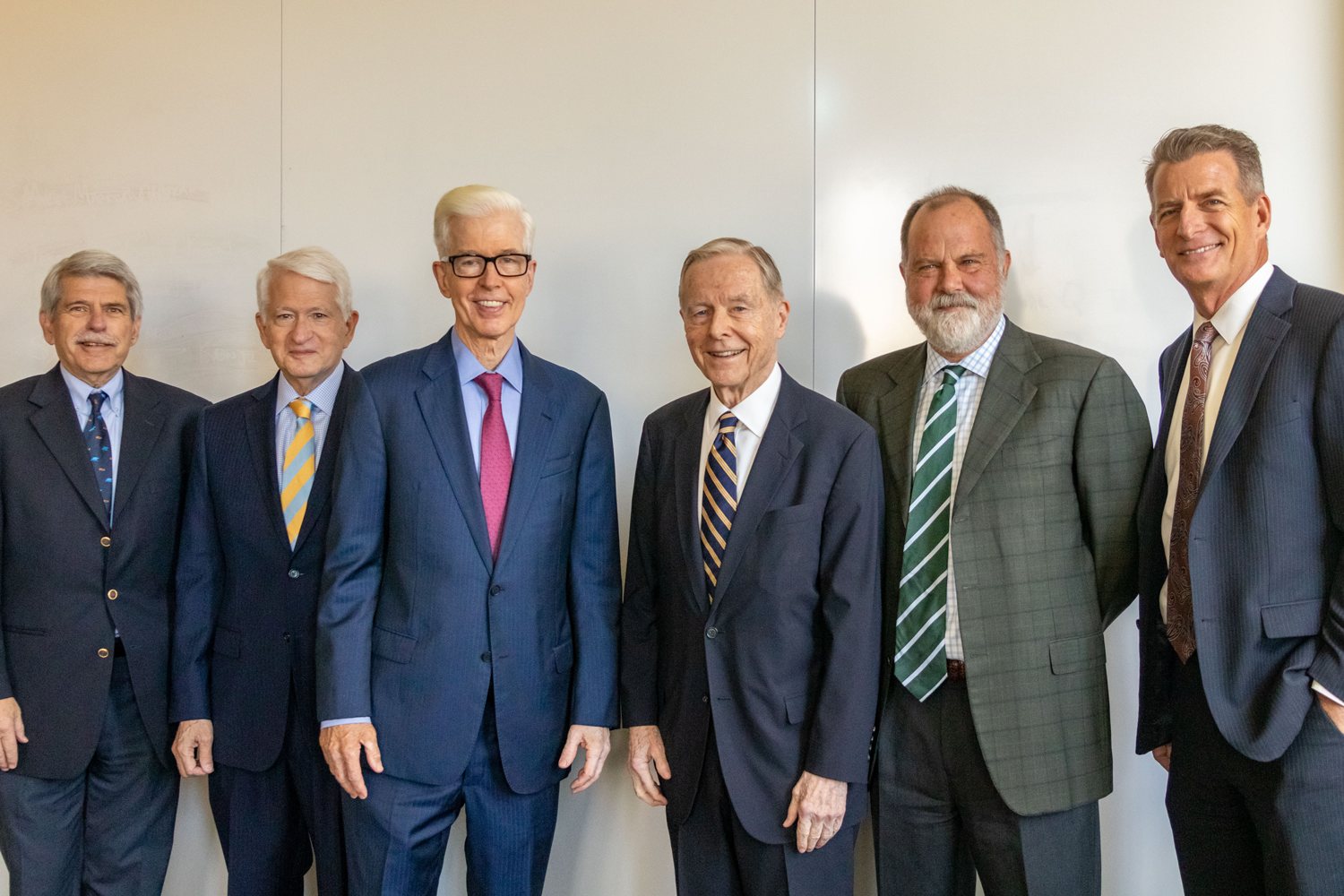
photo of Luskin Summit closing day speakers
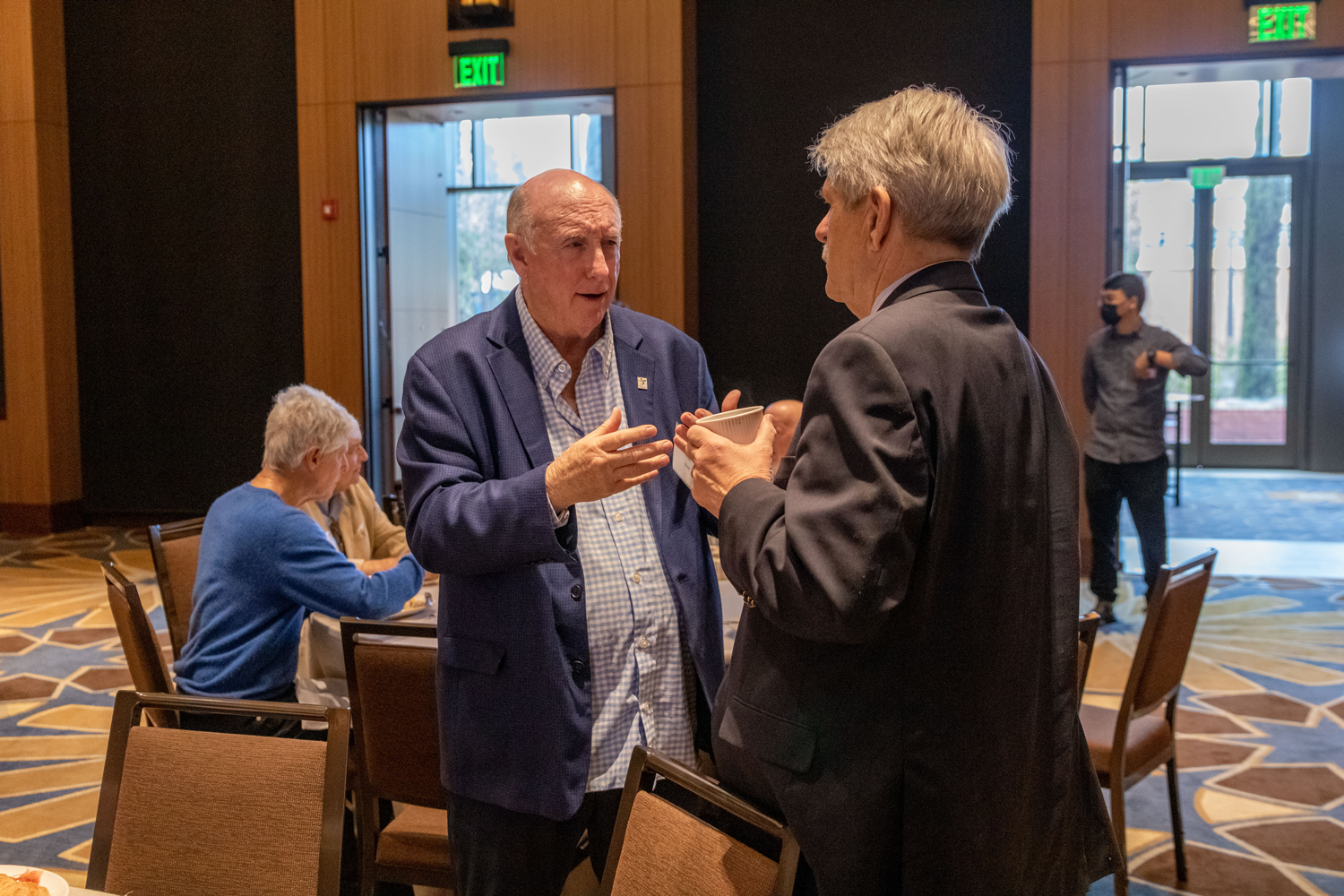
Two men, Phil Brock and Zev Yaroslavsky, chat

Among the other results:

  • The largest decline was the cost-of-living score, which dropped to 39 from 45 last year.
  • The public safety score declined to 56 from 60 last year (and 64 in 2020), shaped largely by growing concerns over property crime and violent crime.
  • The score for transportation and traffic fell to 51, from 56 last year.
  • The score for jobs and the economy dropped to 56, from 60 in 2021.
  • The score for education dropped to 46, a new low, from 48 last year.

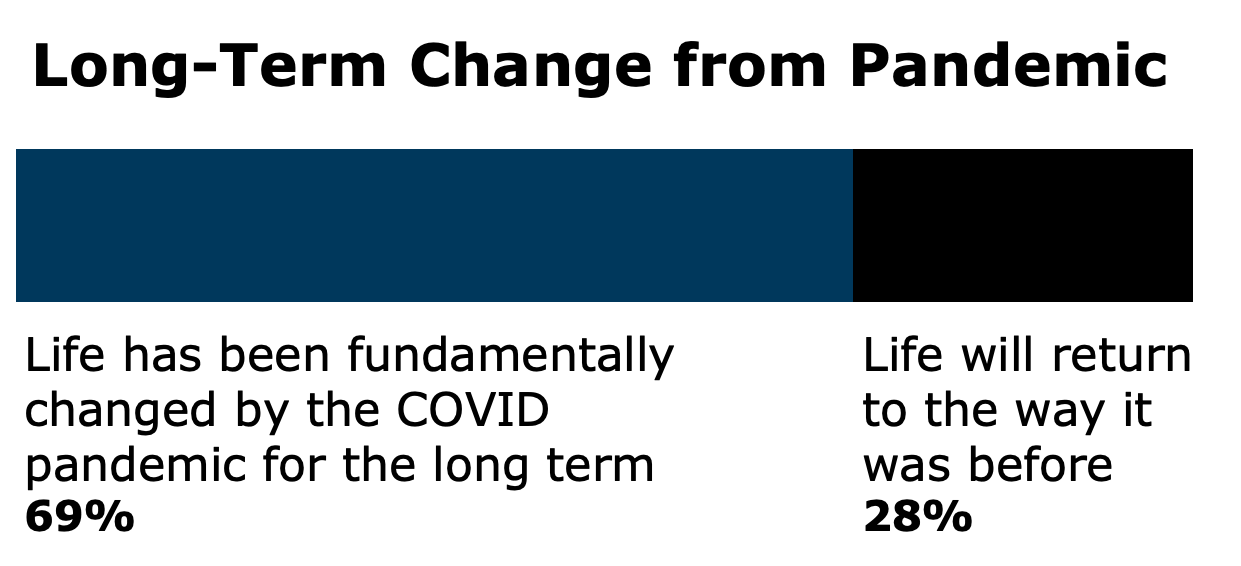
Most respondents, 69%, said life has been fundamentally changed by the COVID-19 pandemic. Only 28% said that life would return to the way it was before. 

“COVID has taken its toll on our society in profound ways,” Yaroslavsky said. “This finding — that life has been permanently altered — may be the most profound.”

Of survey respondents who are employed, 55% said they always leave home to go to their workplace, 18% always work at home and 25% have a hybrid schedule.

Many respondents said their income declined during the pandemic, with 15% saying it went down a lot and 16% saying it went down a little. Among those whose income declined, 33% said they fell behind on their rent or home mortgage, and 7% said they had to move for financial reasons.

One potentially lasting consequence of the pandemic relates to education. Seventy-one percent of parents of school-age children said they feel their kids have been substantially hurt either academically or socially by having to learn remotely. That figure was only slightly lower than it was in the 2021 survey, even though most students had returned to in-person instruction by the time the 2022 study was conducted. The parents who were most concerned were those who leave home to work (79%) and those with incomes under $60,000 (76%).

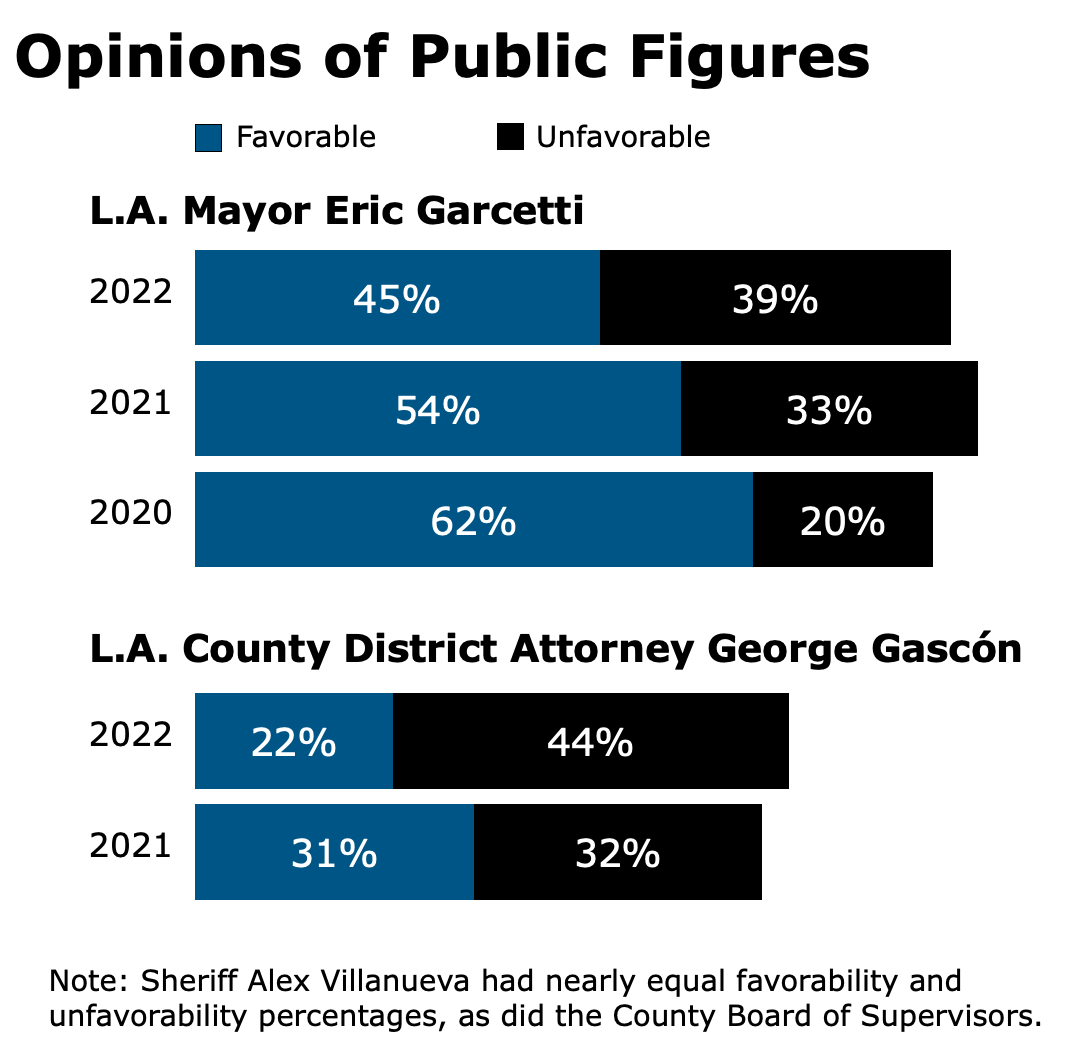
chart shows info also found in story

The survey also examined approval ratings for local elected officials. Mayor Eric Garcetti was viewed favorably by 45% of respondents, down from 62% in 2020.  

Los Angeles County Sheriff Alex Villanueva received mixed ratings: 37% very or somewhat favorable and 33% very or somewhat unfavorable, with 30% having no opinion or being unfamiliar with Villanueva. Meanwhile, Los Angeles County District Attorney George Gascón’s perception declined markedly from 2021. He was viewed very or somewhat favorably by 22% of respondents this year, down from 31% in 2021; 44% viewed Gascón very or somewhat unfavorably in the latest survey.

The Quality of Life Index is funded by Meyer and Renee Luskin through the Los Angeles Initiative. The report was released as part of the closing event in this year’s UCLA’s Luskin Summit, held April 22 at the Luskin Conference Center at UCLA. Phillip Palmer of ABC7 in Los Angeles moderated a discussion with Yaroslavsky, followed by a Q&A in which former California governors Gray Davis and Pete Wilson discussed the “State of California” with Jim Newton, editor in chief of UCLA Blueprint magazine.

The QLI was prepared in partnership with the public opinion research firm FM3 Research.

View the full report and other information about this year’s study, plus previous Quality of Life Indexes, on the website of the UCLA Lewis Center for Regional Policy Studies.

Watch a recording of the session on Vimeo.

See additional photos from both April 22 sessions on Flickr:
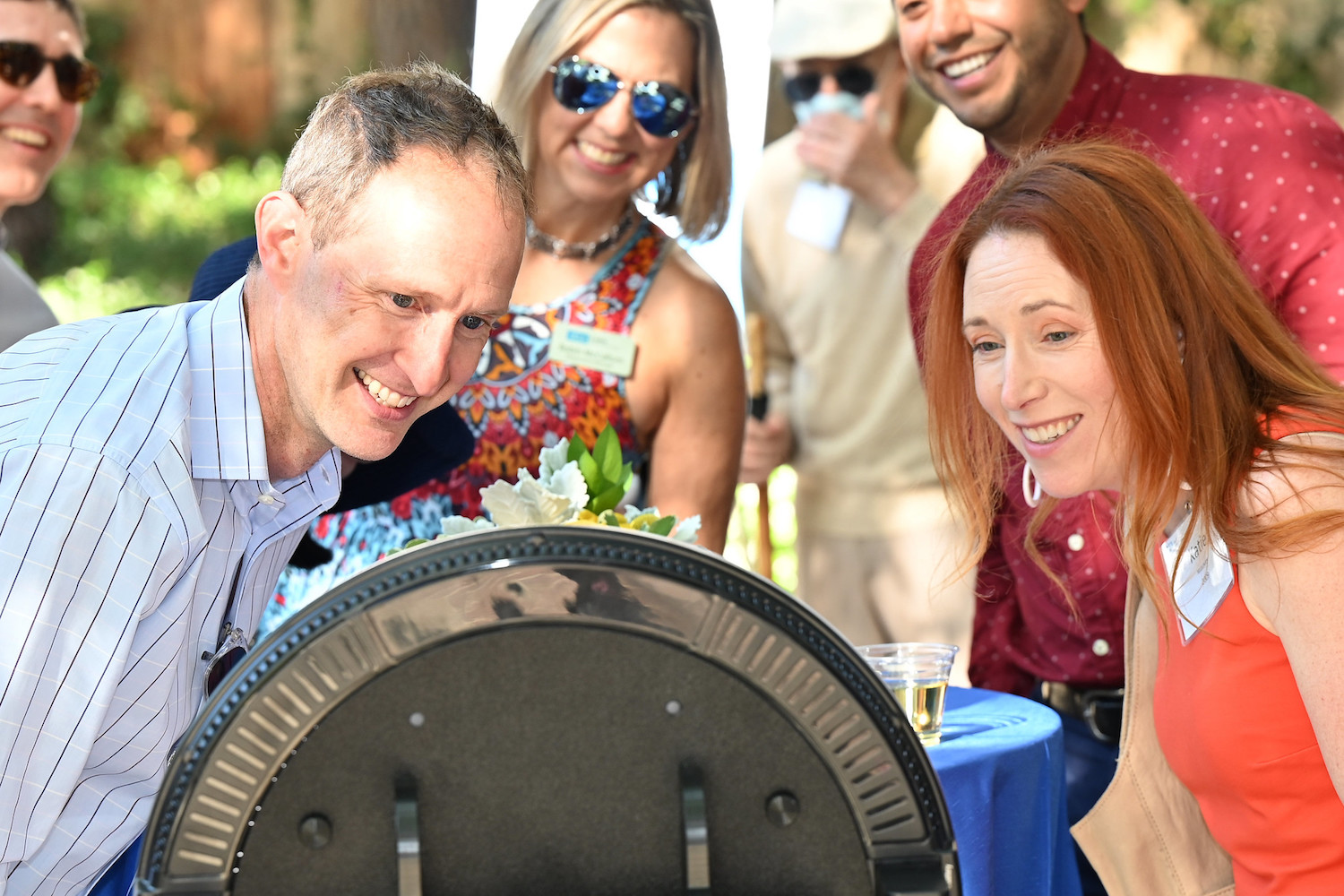
Luskin Summit 2022 Closing Sessions

ITS Study Offers Strategy for Freeway Congestion Pricing A new report by UCLA transportation experts outlines ways that California could implement congestion pricing while minimizing the financial burden on low-income residents

April 21, 2022/0 Comments/in For Faculty, For Policymakers, For Students, For Undergraduates, Public Policy News, Research Projects, School of Public Affairs, Urban Planning Michael Manville /by Claudia Bustamante
By Claudia Bustamante

Among transportation experts, congestion pricing is the gold standard policy for managing traffic on freeways and highways. The strategy involves charging drivers tolls to use a road, and charging more during the busiest times — morning and evening rush hours, for example.

The intention is to discourage drivers from using their own cars and nudge them toward alternative forms of transportation, thereby unclogging traffic. But charging people to use busy roads raises questions about fairness, especially for low-income drivers.

A new report by UCLA transportation experts outlines ways that California could implement congestion pricing while minimizing the financial burden on those residents.

The study suggests that if congesting pricing were enacted in California’s six largest urban areas, about 13% of households in those areas might be unduly burdened because of the combination of their travel habits and low incomes. But while tolls could create an equity problem, the report suggests that the revenue generated by tolls could ultimately solve that problem.

The report was produced by the UCLA Institute of Transportation Studies, and its authors are Michael Manville, an associate professor at UCLA Luskin; Gregory Pierce, co-director of the UCLA Luskin Center for Innovation; and Bryan Graveline, a UCLA graduate student.

“Traffic congestion imposes real costs on a wide segment of society, with some of the most severe consequences falling disproportionately on the most vulnerable people,” Manville said. “Congestion pricing has the potential to alleviate many of those harms. But it’s important when we price roads to do so in a way that won’t unfairly burden low-income people. Fortunately, with a little political will, we should be able to do that.”

In the report, the authors defined “vulnerable” residents as those with household income below 200% of the federal poverty level (for example, $55,500 or less for a family of four) and at least one household member driving during peak congestion periods on a freeway. The study focused on Los Angeles, San Francisco, the Inland Empire, San Jose, San Diego and Sacramento.

The authors write that some of the ways to mitigate cost burdens on low-income drivers would come with pitfalls that dilute the goal of reducing traffic. For example, subsidizing public transportation and providing free transit passes for low-income residents wouldn’t help those who must still drive.

Another option would be lowering toll prices or making them free for low-income drivers, but that would risk negating the primary goal of congestion pricing: If the cost of driving isn’t high enough, people would likely continue to use their vehicles.

The most promising solution, they write, would be to provide direct cash assistance to low-income residents from revenue collected by the tolls.

“Similar policies already exist that help low-income people afford crucial goods and services, such as California’s CARE for energy, the federal SNAP program for food and groceries, and vouchers for housing,” Pierce said. “We should build on these models rather than reinvent the wheel.”

Another benefit of the strategy, the authors write, is that residents who receive money through the program could use the funds for any number of purposes — helping to cover the costs of congestion pricing when they drive or paying for public transit or other alternate transportation if they’re able to switch.

The report also suggests that county governments could identify people who are eligible for such a program by looking at which households are eligible for existing programs like SNAP or housing and utilities subsidies.

The authors acknowledge that there would be administrative and political hurdles to beginning a cash assistance program for transportation costs. They write that introducing congestion pricing to roadways one lane at a time would help demonstrate the strategy’s benefits, which could help overcome public skepticism about the policy.

‘A Sense of Real Possibility for the City of L.A.’ Faced with a monumental housing crisis, we must think creatively and push harder, Councilwoman Nithya Raman tells a UCLA audience

April 19, 2022/0 Comments/in For Faculty, For Policymakers, For Students, For Undergraduates, Public Policy, School of Public Affairs, Social Welfare, Urban Planning Chris Tilly /by Mary Braswell

By Mary Braswell

Nithya Raman was elected to the Los Angeles City Council on a platform focused on tackling the region’s dual crises of homelessness and sky-high housing costs. Sixteen months after taking office, she came to UCLA to provide an update on how the fight is going.

Citing lessons learned from the COVID-19 pandemic, Raman said the key to sheltering unhoused Angelenos is a culture of saying yes to creative living solutions of all types, as long as they offer dignity and privacy — not just a bed in a crowded facility.

“That could be motel or hotel rooms, that could be tiny homes, that could be shared apartments where you have a separate bedroom and a shared kitchen — any place where you have a room with a door,” Raman said. “When you offer someone who is experiencing homelessness the ability to go to a room with a door, the experience is really transformative.”

The successes and shortcomings of pandemic-era housing interventions was one topic in a wide-ranging talk by Raman, who came to UCLA’s Kerckhoff Hall on April 14 as part of the University of California Regents’ Lecturer program.

In a conversation moderated by UCLA Luskin Urban Planning chair Chris Tilly, Raman spoke about Los Angeles’ complicated history of land use, which led to the city’s current struggle to provide its residents with safe and affordable housing.

And as an urban planner by training, she stressed the importance of reliable data — including the results of a countywide homeless count, due to be finalized this summer — to gauge the impact of programs and investments and map a path forward. 

“What I’m seeing is something really different from what I saw when I was out of City Hall, which is a moment when people are actually getting indoors,” said Raman, who represents L.A.’s District 4, stretching from Los Feliz to Reseda.

“But we don’t have the data to show, did they actually move in enough numbers so that we chipped away at this massive amount of homelessness that we faced in our district? Or did we not do enough during this period of the pandemic?

“I really want to make sure that we’re moving forward with that data in hand and with a sense of real possibility for the city of L.A.”

Raman’s lecture was part of UCLA Luskin Urban Planning’s commemoration of its 50-year anniversary. Her audience included several UCLA Luskin alumni, plus undergraduate and graduate students who may aspire to careers in public service.

Ensuring that Los Angeles’ housing stock continues to grow to meet demand requires saying yes to many approaches all at once, she said.

Cities or nonprofits could lease entire buildings and rent each apartment to voucher holders. Lifting the requirement to include parking in a new development could lead to the construction of smaller, less expensive living spaces attractive to transit riders such as students and young professionals. And developers should be pressed to include more affordable units in high-end properties, she said.

“One of the ways in which we’ve increased affordable housing is actually by creating density bonus programs for market-rate development,” Raman said. “And yet, I hear you. It is galling to see homelessness on our streets and luxury apartments going up, right next to each other.”

Repeating a phrase used throughout the lecture, Raman said the city should push harder. Push to require more of developers who receive lucrative incentives. Push to streamline a permitting process that has put a drag on the construction of housing. And push to ensure that residents aren’t priced out of their own neighborhoods.

“You can build more while still being totally dedicated to protecting tenants who are currently in their housing. And we can do that if we try,” she said.

Raman, the first challenger in 17 years to unseat an incumbent L.A. City Council member, described her experiences working as an outsider to effect change from within the halls of government.

“It’s the daily struggle,” she said. “How do you operate within a system — many aspects of which you find fundamentally unjust — while still moving that system towards change?”

She spoke of choosing her battles, sometimes speaking out forcefully but other times opting for quiet diplomacy to push her top legislative priorities.

“The more people who come in that share a set of values around what L.A. can be and should look like, I think the less you’ll have to make those kinds of choices.”

With their overwhelming support for taxes and bond measures to pay for the fight against homelessness, the people of Los Angeles have proclaimed a “widespread sentiment of ‘yes,’ ” she said.

“We all actually want it. I feel like that’s what every single conversation I have with people shows,” Raman said. “We can build it, we can build it right. We can do this, we can do it right. We can treat people with dignity and help them to get indoors.

“Everyone says, ‘Hell, yes, that’s what I want.’ ”

View photos and video of the lecture. 

Insights From an Environmental Pioneer Mary Nichols, longtime champion of emission regulation in California, offers a roadmap toward a cleaner transportation future

April 6, 2022/0 Comments/in Climate Change, Electric Vehicles and Alternative Fuels, Environment, For Faculty, For Policymakers, For Students, For Undergraduates, Public Policy, School of Public Affairs, Social Welfare, Transportation, Urban Planning Colleen Callahan, Gary Segura, Tierra Bills /by Les Dunseith

By Les Dunseith

What comes to mind for Mary Nichols after 50 years as a leader of California’s environmental policy?

“As a lawyer, what I know is how to take laws … and actually make them do something for people,” she said. “If there’s a principle that I have tried to conduct my work by, it is that you don’t get appointed to one of these government jobs to fill the seat. You get appointed to actually do something with the job.”

After four terms as California Air Resources Board chair, Nichols told an in-person crowd of about 75 people and others watching online during the April 4 UCLA Luskin Lecture that getting things done requires dedication, persistence and, perhaps most importantly, good science.

Nichols pointed to her experience in leading the agency to set gasoline efficiency and anti-pollution standards in the automotive area. 

“We had our own engineers who knew just as well as the people inside the car companies that we were regulating what could be made available and what could be made affordable — like the catalytic converter — if you could just get the companies over their reluctance to change and overcome their constant desire to hold onto what they have until they can figure out how to make a profit on it.” 

If policymakers know what needs to be done and have the data to support it, Nichols said, “then you have a pretty good chance of bringing people along with you and moving forward.”

Nichols is an attorney who began working as an environmental regulator in response to the federal Clean Air Act of 1970. She first joined the state’s top environmental agency in 1975 and served as chair between 1979 and 1983, then from 1999 to 2003, and again from 2007 to 2020. She is also a distinguished counsel for the Emmett Institute on Climate Change and the Environment at UCLA Law and has associations with the UCLA Institute of the Environment and Sustainability and with the UCLA Luskin Center for Innovation. 

The Luskin Lecture welcomed guests back to campus after two years of remote gatherings. Photo by Les Dunseith

In his introductory remarks, Dean Gary Segura of the Luskin School of Public Affairs said, “If you’re interested in the environment and you’re a longtime resident of California, the first name that would come to your mind in shaping the environmental policy of this state is Mary Nichols.”

Nichols’ appearance was the first Meyer and Renee Luskin Lecture Series event to occur in person in more than two years because of the COVID-19 pandemic. It took place in the Charles E. Young Grand Salon at Kerckhoff Hall on the UCLA campus. 

Nichols was joined in a discussion about the past and future of clean transportation by Tierra Bills, assistant professor of public policy and civil and environmental engineering at UCLA, and Colleen Callahan MA UP ’10, co-executive director of the UCLA Luskin Center for Innovation.

They touched on issues that included air pollution, the future of clean energy and how to overcome resistance from businesses, government officials and the public to new, cleaner technology, including fostering wider acceptance of electric cars.

“We start with the fact that electric vehicles are expensive. There’s no question that they are more expensive than gasoline cars,” Nichols acknowledged. “And new gasoline-powered cars are expensive to begin with.”

She noted that electric vehicles are a growing segment of the used car market, but the reality is that many people are never going to purchase an electric car unless manufacturers — many of which see electric vehicles as their future — receive government incentives to bring costs down. 

“Otherwise, we’ll be looking at nothing but a luxury market,” Nichols said.

In California, a related need is starting to get more attention — making charging stations readily available. 

“If people find a way to afford to buy an electric vehicle, but they don’t have a place to charge it, then it’s not doing any good,” Nichols said. “We still have a long way to go in terms of … providing charging in public places and charging at workplaces.”

Bills pointed out that technological innovation has historically bypassed disadvantaged communities. 

Nichols said greater recognition of the need for equity now exists among decision-makers, but challenges remain. “I think there are ways of attacking the problem,” she said, “but it is going to require much bigger thinking than most of what has been going on up to now.”

Plus, dealing with environmental problems requires widespread buy-in.

Nichols joked, “Just saying that the Air Resources Board thinks you should do something isn’t going to be a winning argument, right?” 

Regulation and innovation are important, she said, but federal and state agencies also must look to build partnerships at the municipal level, enlisting assistance from local businesses and community-based organizations. 

She recalled an instance in which funding became available to advance air pollution goals by replacing old buses. To their surprise, government officials soon found themselves working not so much with school districts and large transit agencies as with religious organizations. 

“That’s who had old buses that they wanted to turn in and get new, clean buses so they could take kids on field trips,” Nichols recalled. “So, sometimes it requires a new way of delivering services.”

Callahan spoke about the increasing alarm among scientists that more must be done — and soon — if humankind is going to persevere in the face of climate change. How does one remain grounded and optimistic when faced with so many dire predictions?

“You just have to keep working at it,” Nichols said. “It requires you to stay flexible in the sense that you look for new allies. You look for new resources. You look for new energy, which is one of the reasons why I like hanging around universities.”

Gesturing toward the crowd of environmental advocates, faculty, staff and students, Nichols continued.

“You get to know some of the people who, hopefully, are not just going to do what I did, but who are going to do it more and better.”

The Meyer and Renee Luskin Lecture Series enhances public discourse on topics relevant to the betterment of society, bringing together scholars as well as national and local leaders to address society’s most pressing problems. The event with Mary Nichols was co-hosted by the UCLA Luskin Center for Innovation, along with several campus partners: the UCLA Center for Healthy Climate Solutions, UCLA Center for Impact@Anderson, UCLA Emmett Institute on Climate Change and the Environment, UCLA Institute of the Environment and Sustainability, UCLA Institute of Transportation Studies, UCLA Samueli Department of Civil and Environmental Engineering, and the UCLA Sustainable LA Grand Challenge.

View photos from the event on Flickr.

Watch the lecture on Vimeo.


Mayoral Roundtable Highlights Launch of Luskin Summit 2022 With a theme of “Research in Action,” the fourth annual series resumes with five webinars spotlighting UCLA’s role in understanding and solving issues of current public concern 

January 19, 2022/0 Comments/in Business and the Environment, Climate Change, Development and Housing, Diversity, Education, Environment, For Faculty, For Policymakers, For Students, For Undergraduates, Global Public Affairs, Health Care, Latinos, Politics, Public Policy, Public Policy News, Research Projects, School of Public Affairs, Social Welfare, Social Welfare News, Social Welfare PhD, Transportation, Urban Planning /by Les Dunseith

By Les Dunseith

A roundtable discussion about the upcoming election of a new mayor in Los Angeles and four other sessions focusing on timely policy issues made up the agenda when the UCLA Luskin School of Public Affairs launched its fourth annual Luskin Summit.

Of the 10 currently declared mayoral candidates, U.S. Rep. Karen Bass has the advantage of name recognition and national political experience, panelists agreed. But City Councilman Kevin de León was also cited as a favorite of many voters based on his prior experience in Sacramento and name recognition from an unsuccessful 2018 bid for U.S. Senate. 

The panelists included Steve Soboroff and Wendy Greuel, former mayoral candidates themselves. 

Soboroff, who ran for mayor in 2001 in a race won by James K. Hahn, said, “At this point, I think it’s Karen, plus one. And everybody else is trying to be that one.”

He cited Bass’ experience as an elected official at both the state and national levels. “A lot has to do with bringing resources from D.C. and from Sacramento to Los Angeles. And she has the best chance of bringing resources that the others can’t.”

Greuel, who ran for mayor in 2013 in a race won by Eric Garcetti, sees this year’s mayoral election as very close, with even greater uncertainty because of COVID-19 and its ever-evolving impact on society and public opinion. 

“Normally, if you were ahead [in polls] five months out, you’re good, you know, and it’s not going to change,” Greuel said about speculating on a political candidate’s prospects for victory. “Now, it changes on a weekly basis.”

Like the mayor’s race, the Luskin Summit was impacted by COVID-19, with the launch event taking place on a remote platform after having been originally planned as an in-person conference. This year’s theme is “Research in Action,” and the sessions include recent research from the Luskin School that relates to current policy issues. The Summit series will continue through April.

The other sessions on Jan. 19 were moderated by faculty members at UCLA Luskin whose areas of expertise include housing policy, climate change, transportation, and class and racial inequality. Recordings of all five sessions are available online.

Author and UCLA Luskin faculty member Jim Newton, the editor of UCLA Blueprint magazine, led the questioning during the mayoral panel. The panelists were Soboroff, Greuel, longtime officeholder and current UCLA faculty member Zev Yaroslavsky and Antonia Hernandez, the president and CEO of the California Community Foundation.

They agreed that homelessness is likely to remain a dominant issue as the mayoral candidates vie for voter attention and approval prior to the June 7 primary and a likely Nov. 8 runoff election.

“I think in every public opinion survey that’s been done in town for candidates … homelessness is No. 1 and nothing else comes close,” Yaroslavsky said. “But it’s more than just homelessness. From my point of view, many people just feel that the wheels are coming off the city and it’s just not working.”

Hernandez said voters are eager for leadership and trustworthiness. 

“They want to have a sense of the person —  not the political person but the real person. You’re electing a whole package, a whole human being,” she said. “I think the public is really tired of platitudes, you know: ‘I’m going to solve homelessness in the first year.’ Well, it took us 40 years to get to where we are.”

Yaroslavsky said candidates also must navigate sometimes unrealistic voter expectations. 

“It’s better to underpromise and overdeliver,” he said. “You’ve got to be honest with the people. One of the lessons I learned in 40 years in politics is that the electorate has a very sensitive BS-sniffing meter. They know when they’re being conned.”

Hernandez expressed similar thoughts:  “If it’s not honest, it’s not realistic, then the platitudes aren’t going to get you any votes,” she said.

Homelessness was also the focus of the Luskin Summit session led by Ananya Roy, a professor of urban planning, social welfare and geography who is director of the UCLA Luskin Institute on Inequality and Democracy.

In opening remarks, Miguel Santana of the Weingart Foundation set the stage for a discussion about expanding housing security for L.A.’s unhoused population without losing sight of each individual’s right to self-determination. 

“The thing that’s been missing at the heart of homeless service solutions are the actual voices of the people who have been impacted,” said UCLA alumna Ashley Bennett, a founding member of the community organization Ground Game LA. 

Joining Roy and Bennett was Gary Blasi, a UCLA professor emeritus of law whose scholarship has shed light on the plight of renters in California. 

“Homelessness begins with eviction,” he said. “These are not two separate things, they’re tightly linked.”   

A third session taking place during the Summit launch event focused on another issue of huge current public concern: climate change. The session zeroed in on the dangers of rising heat.

Climate change has increased the frequency and lethality of wildfires, floods and hurricanes, said moderator Kirsten Schwarz, associate professor of urban planning. “This session will explore design and policy interventions that can create more livable and resilient cities, specifically focusing on interventions aimed at protecting the most vulnerable populations,” she said.

Among the panelists was Kelly Turner, assistant professor of urban planning and the interim co-director of the Luskin Center for Innovation at UCLA. She spoke about possible mitigation strategies and the importance of partnering with communities that are most vulnerable to extreme heat.

“The burden of heat is incredibly inequitable,” Turner said. “We learn more from talking to the community members about all the pernicious ways heat can impact people and their daily lives. Involving these community groups is going to be essential to any solution.”

Other panelists were Veronica Padilla-Campos MURP ’06, executive director of the nonprofit Pacoima Beautiful; Kristen Torres Pawling MURP ’12, sustainability program director at the Los Angeles County Chief Sustainability Office, and Helen Dowling, data manager for the Public Health Alliance of Southern California. 

The Luskin School of Public Affairs is well-known for its research on transportation issues, and Adam Millard-Ball, associate professor of urban planning, moderated a session that included new research on the widespread impact of Uber, Lyft and other ride-hailing companies on a community’s economic, environmental and equity goals.

 “How can ride-hailing best serve the public interest?” he asked. “Certainly, on the positive side, ride-hailing is an important mobility option, particularly for people who don’t have a car or perhaps people who can’t drive. But at the same time Uber and Lyft mean more traffic and more local air pollution.”

About a fifth of drivers simply drive around, burning more gasoline and creating more congestion and pollution, according to Millard-Ball and fellow presenter Joe Castiglione, deputy director for technology, data and analysis at the San Francisco County Transportation Authority. 

Also participating in this panel was Saba Waheed, research director at the UCLA Labor Center, who noted that gig workers have few employment protections.

The fifth panel discussion of the Summit launch event focused on the impacts of the COVID-19 pandemic on systemic class and racial inequality.

Paul Ong, research professor and director of the Center for Neighborhood Knowledge at UCLA Luskin, was joined by Silvia González, a former colleague at CNK who now works with the UCLA Latino Policy and Politics Initiative; Karen Umemoto, a professor of urban planning and director of the UCLA Asian American Studies Center; and Vickie Mays, a professor of psychology and health services at UCLA.

“Clearly we all understand the last two years has transformed the way we live, work and socialize,” Ong said. “The pandemic has been a once-in-a-century public health crisis, but beyond that, it’s also a pandemic that has generated dramatic economic disruption.”

He noted that racial disruption has been another byproduct, including a rise in hate crimes directed at Asians and health disparities experienced by other races.

The panelists also discussed the so-called digital divide and how unequal access to high-speed internet connections have impacted education, social and racial relationships during the pandemic. 

“I think one of the things that we don’t really know exactly the impact of yet is the impact on children for those who don’t have internet access,” Umemoto said.  

Leading the city toward solutions to such issues is an expectation of the Los Angeles mayor. Among voters’ biggest concerns is rising crime and how the LAPD should approach it. Los Angeles is among the cities increasingly turning to community policing tactics. 

“It’s preventative policing. It’s getting involved with the communities. It’s having a hundred different programs to keep kids from submitting to gangs and submitting to the influences that make them break laws,” said Soboroff, a longtime member of L.A.’s Board of Police Commissioners. “A candidate needs to understand that.”

Yaroslavsky, whose legacy as an officeholder includes police reform, is interested in seeing how the mayoral candidates talk about crime. 

“How will the candidates frame it? Are you going to land on one end or the other?” he asked. “I’ve always maintained that good community and police relations, and public safety, are not mutually exclusive.”

The choice of mayor is important, the panelists said, even though the mayor of Los Angeles has limited authority to enact unilateral change.

“In Los Angeles, we have 21 people — 15 council members, one mayor and five supervisors — that control everything,” Soboroff said. “The issue is not about taking power; it’s about giving up power … so something can get done.” 

Hernandez said candidates like Bass, de León, City Attorney Mike Feuer and City Councilman Joe Buscaino all have solid records as public servants. 

“They are good, decent people. They have served in different positions in government, and … you know that they care deeply about the place,” she said. “So, the real issue is how are they going to bring us together and make us believe that government can work for the people.”

Greuel, whose deep public service experience includes being the current chair of the Board of Advisors at UCLA Luskin, said winning the San Fernando Valley remains pivotal to the mayor’s race. Yaroslavsky agreed, but noted that changing demographics in the Valley, and throughout Los Angeles, mean that strategies that won past elections may not hold true anymore.

“It’s a much more complicated electorate now,” he said. 

The Luskin Summit is scheduled to resume Feb. 15 with a session focusing on voter suppression attempts. Sessions to follow will look at policy issues from a global perspective. Details about the Luskin Summit series can be found online, and interested parties may register at this link. 

Luskin Summit 2022 will close April 22 with a two-session event focusing on the Quality of Life Index, a project under the direction of Yaroslavsky in his role with the Los Angeles Initiative at UCLA, and a roundtable discussion about the importance of governors in California moderated by Newton. It will be presented both virtually and in-person on the UCLA campus if COVID-19 protocols allow. 

This year’s Luskin Summit sponsors are the Weingart Foundation, the Wasserman Foundation, the David Bohnett Foundation, the California Wellness Foundation and the Los Angeles Rams. The media partner is ABC7 in Los Angeles.

Stan Paul and Mary Braswell also contributed to this story.

Changing the Unhoused Narrative, One Story at a Time L.A.-based educator and podcast host is chosen as Activist-in-Residence by the UCLA Luskin Institute on Inequality and Democracy

January 10, 2022/0 Comments/in Development and Housing, For Faculty, For Policymakers, For Students, For Undergraduates, School of Public Affairs, Social Welfare, Social Welfare News, Urban Planning Ananya Roy /by Stan Paul

By Stan Paul

Theo Henderson, the founder of the “We the Unhoused” podcast and himself a person who has experienced homelessness for several years in Los Angeles, has been raising awareness of the unhoused for the last two years on his podcast. For the next few months, he’ll lend his experiences to UCLA as Activist-in-Residence at the Luskin Institute on Inequality and Democracy.

Ananya Roy, director of the institute, said that through his work, Henderson has already had a significant impact on the public’s understanding of homelessness in Los Angeles.

“Rooted in his own experience of becoming unhoused, his podcast is a decisive intervention in how we understand housing insecurity and housing solutions,” said Roy, also a professor of urban planning, social welfare and geography. “Mr. Henderson constantly draws our attention to the structural causes of poverty, including racism, and reminds us of the social and policy shifts needed to address such issues.”

Now in its fifth year, the program based at the UCLA Luskin School of Public Affairs brings artists, activists and public intellectuals to campus in an effort to further academic understanding of social justice issues such as housing. “[Henderson] joins an illustrious set of previous Activists-in-Residence and was selected for this appointment from among an exceptionally strong pool of applicants,” Roy said.

Henderson said his podcast was small but effective in its early stages — and, literally, a grassroots effort.

“I created ‘We the Unhoused’ living out in the park, and I wanted to uplift the stories of unhoused people in a larger setting,” said Henderson, who has been recording his podcast interviews and commentary on his cellphone. “Many of the institutions of higher learning are not really plugged into that kind of conversation from the lived experience experts.”

Originally from Chicago, Henderson, 48, is college-educated and had a job as a schoolteacher in Los Angeles at the time of the Great Recession. A medical crisis and loss of his job were followed by eviction and search for stable shelter. He ended up unhoused and living in a park.

Henderson, who has spoken to classes and in other academic settings, including several times at UCLA, says one of the central “civil rights issues of our time is houselessness.”

A major problem with the narrative around housing issues is that it has been — and remains — guided by people who are housed, Henderson said.

“It is erasing unhoused people from view. That experience motivated me to tell my story on my own terms and give voice to the voiceless,” he said.

“I emphasize different things that are really important or because of what I’ve seen with mainstream news,” Henderson said. An example would be a crime story that involves an unhoused person, whether a victim or otherwise, in which “housing status became a little large in the headlines.”

He wanted to push back. So, Henderson launched his podcast, just prior to the pandemic.  COVID-19 has exacerbated the problem and made it more difficult for the unhoused, he said.

“I made it a point to make different podcasts about experiences of the unhoused during COVID because people forget that, when shelter-in-place happened, the world literally stopped,” he said. “It’s a real situation. I think the world needed to know. But COVID happened … you forget about the unhoused; they have to survive as well.”

At UCLA, Henderson said he hopes to utilize the academic setting and his residency to open the door to more active, mobile research methods and see how theories play out in real-world scenarios.

Henderson is also looking to impart knowledge that can be applied to settings that he might not otherwise be able to access, including business, politics and higher learning. He also plans to engage with students through workshops and class discussions, as well as participating in community events and visiting sites both on and off the campus.

In his application for the residency, Henderson wrote, “Students have the power to make change, but they need to be armed with the necessary knowledge to do so. In order to make an impact, future leaders need to build connections with people dealing with the realities of houselessness.”

“Mr. Henderson is a lifelong educator. He has not allowed the condition of becoming unhoused to end his teaching. Instead, he has created new pedagogies that reflect the condition of being unhoused,” Roy said. “I anticipate that he will be a terrific educator for UCLA Luskin faculty and students.”

It’s an honor to be chosen as the next Activist-in-Residence and to return to the UCLA campus, Henderson said. “I’ve been there so much. I used to joke, ‘I might as well have a spot here.’ ”

Dean’s Messages on Remote Instruction to Start Winter Quarter UCLA Luskin modifies operations as part of COVID-19 health and safety efforts on campus amid the rapid spread of Omicron variant

December 31, 2021/0 Comments/in Public Policy, Public Policy News, School of Public Affairs, Social Welfare, Social Welfare News, Urban Planning Gary Segura /by Les Dunseith

January 10 update:

Friends:

I hope this note finds you all safe and well.

On Friday, you received the campuswide Bruin Post extending our period of remote instruction through Friday, Jan. 28, with our return to campus on Monday, Jan. 31. In my meeting with senior Luskin School leadership Wednesday, we anticipated such a development this week, but the chancellor opted to act sooner as case rates and circumstances made the 18th implausible and unadvisable. Even without a full complement of students on campus last week, the case numbers were shocking. This is the right decision.

For staff or faculty who need to come to campus, please follow the directions of the university with respect to masking, vaccination boosters, testing and so forth, and complete the daily symptom monitoring.  If you come to campus for any reason, please use that opportunity to submit a test to the campus system.

In the interim, our policy of suspending in-person events is extended up to the Jan. 31 return. Planning for all events AFTER Jan. 31 should continue, but always with a cautious eye toward deadlines, financial implications and the changing public health circumstances.

As always, I deeply appreciate your fortitude and resilience during this very challenging period for the School and for the globe.

—

Dec. 30 email to the UCLA Luskin community:

Friends:

By now you’ve likely seen the Bruin Post sent last Tuesday, informing us all that the winter quarter will begin with remote instruction through the Martin Luther King Holiday. As of now, we will return to the classroom on Jan. 18, 2022.  This date, of course, is dependent on evolving public health conditions. Staff working remotely should continue to do so. Staff working in person or hybrid should speak directly with their supervisor regarding School and departmental needs and each unit’s plans.

Please note the new testing and vaccination requirements detailed on UCLA’s COVID-19 resources page.  In brief, everyone should receive the booster as soon as eligible, all personnel (students, faculty and staff) will require a baseline test before returning to campus, and all will require once or twice weekly testing through UCLA testing systems. More details are available on the linked web pages.

Some thoughts:

I am as disappointed as you that we have once again had to step back from the normal (or nearly normal) conduct of university business and our daily lives. Our primary concern at this moment is the health and safety of our team and our students. We have succeeded in the last year beyond our wildest imaginations despite the many challenges presented by the epidemic — thanks to your creativity, your adaptability, your perseverance, and your hard work. We have admitted and trained more students, won more extramural grants, and we have spread the word of our important work to our largest audience ever.

I know this has come at a cost … all of us are stressed and tired. And I am sorry to say that I have to ask you to take on this challenge again, at least until we can return.

Here is how I’d like to proceed in the interim:

Instructors: I think a sober assessment of the current public health information suggests that we should prepare for a period of remote instruction that lasts beyond Jan. 18.

  • Exceptions to the in-person suspension are allowed under guidance provided in a follow-up Bruin Post of Dec. 28.
  • Additional guidance for course instructors is available in a separate Bruin Post sent Dec. 30.

Staff: As I suggested, you should confer with your manager regarding safeguards. However, I am instructing staff managers to use remote work to the fullest extent possible. The campus has NOT closed and we will require minimal staffing in the building unless it does, but we should meet only the most urgent needs with in-person work.

Meetings: Same as the fall, any meeting which CAN be held remotely SHOULD be held remotely. We are all accustomed to Zoom meetings now.

Events: Guidance from the campus has allowed events to continue but imposed a more restrictive safety protocol.  On my own authority, all UCLA Luskin in-person events should be canceled (or re-platformed) through Jan. 17. Assuming the return to in-person instruction on Jan. 18, we will follow the campus’ new guidance, which includes testing, masks and an indoor eating ban. We will reconsider event plans after Jan. 18 as new information becomes available.  The new campus safety protocols include:

  • One of the following testing options is acceptable upon onsite check-in.
    • Proof of negative antigen test within 24 hours
    • Proof of negative PCR test within 48 hours
    • On-site negative rapid test (we have the supplies)
  • Masks are required.  Recommend surgical/procedure or N95/KN95 masks (we have the supplies)
  • Indoor eating should be avoided, when feasible.

Research: Since the campus is not closed, there is no suspension of research activity at this time, though restrictions on in-person meetings apply. Research center and institute leaders are encouraged to consider the reinstatement of remote work for any research or administrative staff whose effectiveness should allow for remote working.

Students: Just so you know, the campus would like students to return by Jan. 9 and would welcome their return Jan. 3. The leadership feels like we will have a better handle on the public health issues and vaccine/testing compliance among students when they are in residence, and steps have been taken to assure the availability of quarantine beds should they be necessary.

My first concern remains our collective safety and well-being, and I want all of you to know how deeply I appreciate your great work.

All these headaches notwithstanding, I hope all of you and your families enjoy a joyous and SAFE new year, and I will see you soon.

All the best,

Gary

Gary M. Segura
Professor and Dean
UCLA Luskin School of Public Affairs

Report Focuses on Deaths of Unhoused People During Pandemic Luskin Institute on Inequality and Democracy analysis delves into coroner’s data between March 2020 and July 2021

December 2, 2021/0 Comments/in Development and Housing, For Faculty, For Policymakers, For Students, For Undergraduates, Health Care, Public Policy, Public Policy News, Research Projects, School of Public Affairs, Social Welfare, Social Welfare News, Urban Planning Ananya Roy /by Les Dunseith

By Les Dunseith

A newly released report from the UCLA Luskin Institute on Inequality and Democracy examines coroner’s data to provide a detailed profile of people in Los Angeles County who may have been unhoused when they died during the worst months of the COVID-19 pandemic. 

The report looks at publicly available data from the Los Angeles County Examiner-Coroner’s website and filters it based on locations of death closely affiliated with unhoused status. Researchers identified 1,493 persons who may have been unhoused when they passed away on Los Angeles County’s streets or in outdoor spaces between March 2020 and July 2021. 

Researchers looked separately at the 418 deaths that occurred in L.A. County hotel or motel rooms during the same time period. The report argues that these deaths should also be examined because such locations served as a primary site of residency for the unhoused amid the pandemic as part of the state’s COVID-19 response targeting the homeless population, known as Project Roomkey, or because these persons were likely experiencing dire housing precarity and relied on hotel and motel rooms as housing of last resort.

Nearly half of those who died in hotel/motel locations were white and almost 30% were women. Roughly 3 in 5 of the deaths were attributed by the coroner to drug or alcohol overdose.

At a time when public concern about overdoses is growing, the report calls for a deeper understanding, viewing such deaths “not as individual acts of overdose but rather as a collective condition of suffering caused by displacement.” The report also includes profiles of two unhoused community members who died during this time, Tony Goodwin and Salvy Chic. 

Institute Director Ananya Roy, professor of urban planning, social welfare and geography, wrote in the report: “We have felt the imperative to present this analysis of coroner’s data because it provides an understanding of key patterns and trends that are of direct relevance to the struggle for justice and freedom in Los Angeles.” 

Other key findings include: 

  • Over 35% of the deaths were at locations designated as sidewalks.
  • The average age at the time of death was 47.
  • The coroner attributed nearly half to an accidental manner of death, with less than one-fifth attributed to natural causes. Among the accidental deaths, almost 40% were attributed by the coroner to drug or alcohol overdose. 

Chloe Rosenstock, a UCLA undergraduate student and Street Watch LA organizer, was a co-author of the report, which is titled, “We Do Not Forget: Stolen Lives of L.A.’s Unhoused Residents During the COVID-19 Pandemic.” It was prepared in cooperation with the After Echo Park Lake research collective led by Roy, with guidance from Unhoused Tenants Against Carceral Housing (UTACH) and organizers in Street Watch LA and Ground Game LA.

Stoll Named Director of UCLA’s Black Policy Project A key priority is making research into the state of Black California accessible to policymakers and the public

November 10, 2021/0 Comments/in For Faculty, For Policymakers, For Students, For Undergraduates, Public Policy, School of Public Affairs, Urban Planning Michael Stoll /by Mary Braswell

By Jessica Wolf

Michael Stoll, professor of public policy and urban planning, is the new director of the Black Policy Project, which is housed at the UCLA Ralph J. Bunche Center for African American Studies.

Stoll’s goals for the project include commissioning a report to examine the demographic changes of Black California; generating research on wealth inequity in the state; and supporting California’s new task force on reparations, the first of its kind in the country.

Each of those efforts, he said, will involve UCLA students, and each will produce materials meant to be useful to policymakers and the public at large.

“We want to be a good public ally and create accessible research for the layperson — information that engages in affairs that are of interest to and about Black California,” he said.

Stoll also plans to build on a study he launched nearly 20 years ago: a broad analysis of the state of Black California. He intends to incorporate a new “equality index” that will help illustrate Black residents’ socioeconomic progress, considering several different measures, over the past two decades.

And he foresees events and panel discussions that would bring members of the campus and Los Angeles communities together with elected officials and other California decision-makers.

The Black Policy Project is one of several Bunche Center initiatives that will benefit from $5 million in funding from the 2021-22 California state budget.

It’s the largest amount of support the center has received in a single year from the state, said Kelly Lytle Hernandez, the center’s director and a UCLA professor of history, African American studies and urban planning.

In addition to the Black Policy Project, the funds will support initiatives including Million Dollar Hoods, an ongoing study of incarceration in Los Angeles, and the Bunche Fellows Program, which provides stipends for students to work with leading faculty whose research has a vested interest in improving Black lives.

Read full story


Page 10 of 44«‹89101112›»

Recent Posts

  • Scrutiny Grows Over Measure ULA Claims, Mike Manville Weighs In December 12, 2025
  • Why Small Businesses Fail: Key Findings from the Wall Street Journal December 11, 2025
  • UCLA Luskin Faculty Win Grants to Internationalize Curriculum December 10, 2025
  • Q&A with Maleeyah Frazier: Youth Activist and a Voice for Black Students December 8, 2025
  • Cohen on Prolonged Withdrawal Symptoms After Discontinuing Antidepressant Use December 5, 2025

Contact

UCLA Luskin School of Public Affairs

3250 Public Affairs Building - Box 951656
Los Angeles, CA 90095-1656

Campus Resources

  • Maps, Directions, Parking
  • Directory
  • Contact
  • Academic Calendar
  • Careers
  • Diversity
  • University of California
  • Terms of Use

Follow

The statements on this page represent the views of people affiliated with the Luskin School of Public Affairs and do not necessarily represent the views of the University of California, or UCLA or its Chancellor.

Posts and comments by individuals at UCLA on social media channels may not reflect the opinions or policies of UCLA, the University of California or the Luskin School, nor its benefactors and academic partners.

Scroll to top