• Public Policy
  • Social Welfare
  • Real Estate Development
  • Urban Planning
  • Luskin Home
  • Undergraduate Program
  • Stay in Touch
  • Events Calendar
  • Give Now
  • About
    • Our Dean
    • Board of Advisors
    • Contact Us
    • Visit Us
    • Diversity, Disparities and Difference
    • Communications
      • UCLA Luskin in the News
      • Luskin Forum Online
  • Departments
    • Public Policy
    • Real Estate Development
    • Social Welfare
    • Undergraduate Program
    • Urban Planning
  • Apply
    • Master of Public Policy
    • Master of Real Estate Development
    • Master of Social Welfare
    • Master of Urban and Regional Planning
      • Double Degree With Sciences Po
    • PhD in Social Welfare
    • PhD in Urban Planning
    • Undergraduate Programs
  • Faculty
    • All
    • Public Policy
    • Social Welfare
    • Urban Planning
    • Real Estate Development
    • Faculty Executive Committee
    • Open Positions
  • Student Affairs & Alumni
    • Career Services
      • Employers
      • Fellowships
    • Student Support
    • Graduate Resource Library
    • Alumni Relations
  • Support
  • Programs
    • Research Centers & Affiliated Research
    • CA Title IV-E Education Program
    • Global Public Affairs (GPA)
    • Data Analytics Certificate
    • Luskin Lecture Series
    • Luskin Summit
    • UCLA Luskin California Policy Briefing
    • Public Service Weekend
    • Commencement
  • Administration
    • Financial Services
    • Events Office
    • Information Technology
  • Search
  • Menu Menu

Archive for category: Global Public Affairs

Can Norway Keep Its Democratic Edge Amid Rising Inequality? As elections loom, the Berggruen Governance Index reveals both the resilience and crack of inequality of Norway’s democracy.

September 2, 2025/0 Comments/in Global Public Affairs, Luskin's Latest Blog, Politics /by Peaches Chung

The latest Berggruen Governance Index (BGI) highlights Norway’s unique success in turning natural resource wealth into democratic strength, economic stability, and broad social welfare. Despite heading into the September 8, 2025 parliamentary elections amid fierce debates over wealth taxation and sovereign fund investments, Norway continues to stand out as an exception to the “resource curse.” The report shows that democratic accountability has remained remarkably high, while state capacity and public goods provision have been sustained at world-leading levels, though fiscal capacity has recently weakened. Rising inequality and declining trust in institutions present emerging risks, reflecting growing social fractures beneath Norway’s otherwise enviable position. As Norwegians head to the polls, the challenge will be balancing prosperity and social solidarity to preserve the country’s hard-won democratic and economic achievements

A View from the Top UCLA Luskin students get a look at policymaking, public service work and life in Los Angeles city government

April 17, 2025/0 Comments/in Development and Housing, Environment, For Policymakers, For Students, For Undergraduates, Global Public Affairs, Politics, Public Policy, Social Welfare, Sustainable Energy, Transportation, Urban Planning /by Peaches Chung

by Stan Paul

The view from the top of the iconic Art Deco-style tower of Los Angeles City Hall provides a unique, 360-degree prospective of the sprawling Southern California city — vast, complex and in constant motion. 

On April 11, a contingent of UCLA Luskin School of Public Affairs graduate students gathered inside the tower’s 27th floor to gain perspectives from top city and county leaders, including UCLA and UCLA Luskin alumni, about their work with city government and their insights on important and pressing daily issues that drive the bustling city below.  

The 19th annual Luskin Day at Los Angeles City Hall was held in partnership with UCLA Government and Community Relations and the Office of City Councilwoman Katy Yaroslavsky. Students from UCLA Luskin’s three graduate programs, Public Policy, Social Welfare, and Urban and Regional Planning, engaged in conversation with the group of experienced leaders and high-level city officials and experts in various fields on topics including housing, homelessness, sustainability and transportation.  

“I hope today gives you an honest look at the complexity of city government, and I hope you walk away with the understanding of the deep sense of the purpose of mission driven work that we do here in L.A. and especially in this time of difficulty,” said guest panelist Kristin Torres Pawling, a 2009 UCLA and 2012 UCLA Luskin urban planning alumna. 

“I also entered the working world in a time of global uncertainty…know that the relationships that you make here today, the relationships that you’ve made with each other, will drive you forward,” she said. “Your ideas and energy, the fresh conversation that you’re bringing to City Hall today, are important to us.” 

The day began with formal recognition of the students and the Luskin program during a live city council meeting — a chance to witness local government in action — followed by an opportunity to take what they have learned in the classroom and apply it in the day’s discussion. 

Lourdes Castro Ramírez, a 1994 UCLA and 2003 UCLA Luskin urban planning alumna, led the day’s first expert policy panel including Nancy Sutley, Los Angeles Deputy Mayor of Energy and Sustainability; Laura Rubio-Cornejo, general manager of the Los Angeles Department of Transportation and also a 2003 Luskin urban planning alumna; and Zev Yaroslavsky, UCLA alumnus and former longtime member of the Los Angeles County Board of Supervisors and former Los Angeles City Councilmember. Each shared their journey into public service and their various roles and responsibilities. 

Castro Ramírez currently serves as president and CEO of the Housing Authority of the City of Los Angeles (HACLA), the second-largest housing authority in the nation which serves more than 200,000 people. The first-generation college graduate said she was encouraged to see students pursuing degrees in public affairs programs as well as careers in the public sector. 

“I am deeply grateful to UCLA for investing in me and deeply grateful to UCLA Luskin for giving me the tools necessary to be able to address some of the most complex issues impacting not only our city and the state, but also equip me to serve at the federal level and work on these issues,” said Castro Ramírez, who also has served on UCLA Luskin’s board of advisors. 

“Government has the opportunity to be transformational – to improve the quality of life for residents, to be innovative, and also to be nimble all the times,” she said adding, “I think government gets a bad rap – that it’s not creative, that we’re very bureaucratic, that we don’t really care.  My experience has been the complete opposite.” 

Yaroslavsky said that whether working for the city or county, or a smaller jurisdiction, “Get into to the game…don’t underestimate how your superiors and others will see you for your work product, for your competence, for your vision and for all of the things that make you who you are and part of that is having your Luskin education.” 

A lunchtime session with City of Los Angeles personnel experts also provided a deep dive into navigating the city’s application processes and best practices and tips for gaining employment.   

UCLA alumna Wendy Greuel, former L.A. city councilmember, and current vice chair of LAHSA Commission and co-chair of the Los Angeles Unified School District Task Force, kept the momentum of the day going.  

Greuel, who helped launch the first UCLA Luskin Day at Los Angeles City Hall and who has supported the program since, moderated a panel including 1996 UCLA alumnus Todd Sargent, who leads the global organization development team for Walt Disney Parks, Experiences and Consumer Products and who has served as a Senior Fellow in the UCLA Luskin’s mentorship program. Matt Szabo, Los Angeles city administrative officer, joined Pawling, who also serves as deputy chief of staff for councilwoman Katy Yaroslavsky, and fellow Luskin planning graduate Edgar Reyna MURP ’23, a climate resilience senior analyst for the Los Angeles Mayor’s Office of Energy and Sustainability. 

 The panelists shared their own experience working in the fast-paced daily life serving the city and its residents, as well as advising them on what work and life are like in city government at the local level to interactions at the state and national levels. Greuel asked what ultimately drew them to working at the local level. 

“When I got involved in local work, in city commission work, the impact was so much more real. You could literally see the work you did manifest in the local community,” said Sargent, who previously worked in Capitol Hill where he said things moved at a much slower pace. 

Szabo, appointed to his current position in 2023 and who formerly served as deputy chief of staff to former Mayor Eric Garcetti, remarked, “If you’ve been out on the ledge here, if you just look outside, everything that you see that isn’t privately owned is pretty much the responsibility of the city, the streets, the sidewalks, the trees on the sidewalks…it’s all the things you can touch and feel immediately and that for me is more gratifying now.” 

A final question for the panel was, “What gives you hope?”  

“Hope for me is all of you in this room,” said Greuel. 

The day concluded with a round table policy and career session with Los Angeles City Councilwoman Katy Yaroslavsky, a UCLA Law School graduate, who was elected in 2022 to serve the city’s fifth district. 

Yaroslavsky talked about managing a public service career, serving her constituents and the city while taking on many new roles since being elected, including chair of the city’s Budget and Finance committee and the task of running the city more efficiently. 

 “There’s lots of ways to make things better, to make ourselves more efficient, to attract business, to support people who need help to, to work on homelessness and public safety and holistic ways,” she said.  

As a member of LA Metro’s Board of Directors, Yaroslavsky said she is excited about projects underway including Metro stations opening across the city’s Westside region, “…the first time since the Red Car in the 1950s and 60s that the Westside will be linked to downtown by mass transit,” she said. For Yaroslavsky, the station openings represent an incredible opportunity for more people to get onto the system who might not know about it and to know what public transit is all about. 

Yaroslavsky also dispensed public service career advice to the students including being open to both constructive and unconstructive criticism as part of an important skill set.  

“I think it’s hard to do. It’s hard to give constructive feedback. It’s also really hard to take. Both are really important.” 

Also difficult is taking risks like changing careers and pursuing public office, she said.  

“Once in a while do something that really scares you,” she said recalling daunting decisions as “the best choices I’ve ever made in my career.”  

“And, if you give yourself some space and you’re willing to take chances that you are able to take, I think that’s where you grow the most,” Yaroslavsky, concluding with thanking the students for attending the Luskin Day event and taking an interest in — and aspiring to — public service roles.  

“It’s really heartening to see so many folks who care and want to be part of the solution, so don’t be strangers.” 

To view more photos from this day, please see photo album.

A Celebratory Welcome to UCLA Luskin The entire School community gathers to make connections and launch the new academic year

September 27, 2024/0 Comments/in Alumni, For Faculty, For Students, For Undergraduates, Global Public Affairs, Luskin Center, Public Policy, Public Policy News, School of Public Affairs, Social Welfare, Social Welfare News, Urban Planning /by Mary Braswell

This year’s UCLA Luskin Welcome Week opened with the exciting announcement that UCLA has, for the eighth consecutive year, been named the No. 1 public university in the United States.

The news set a celebratory tone for a series of Luskin School events welcoming students, alumni, faculty, staff and friends back to campus to kick off the 2024-2025 academic year.

An orientation for graduate students brought public policy, social welfare and urban planning students together to learn about resources provided by the university and the Luskin School.

The undergraduate program hosted a luncheon for majors, pre-majors and students interested in learning more about the bachelor of arts in public affairs.

And the Block Party tradition continued for the 13th year, with the entire UCLA Luskin community gathering to make connections, learn about opportunities and organizations, enjoy the flavors of Los Angeles and greet the School’s benefactors, Meyer and Renee Luskin.

View photos from:

Graduate Student Orientation

UCLA Luskin Orientation 2024

Undergraduate Open House 

UCLA Luskin Undergraduate Open House 2024

13th Annual UCLA Luskin Block Party

UCLA Luskin Block Party 2024

View More Block Party Images from Stay Golden Photobooth


‘Democracy Is on the Defensive’ Global affairs experts gather to analyze the sobering findings of the 2024 Berggruen Governance Index

May 22, 2024/0 Comments/in For Faculty, For Policymakers, For Students, For Undergraduates, Global Public Affairs, Public Policy, School of Public Affairs /by Mary Braswell

Experts on global affairs came together this month at UCLA to analyze the findings of the newly released 2024 Berggruen Governance Index (BGI), which examines the relationship between the quality of democracy, the quality of governance and the quality of life in 145 countries.

This year’s index concluded that an overwhelming majority of the world’s people live in countries that lost ground on measurable benchmarks of democratic accountability from 2010-2021. Yet many of these countries have maintained or even improved delivery of public goods, including employment, health care and education.

This illuminates the fallacy that democracy alone will improve governance performance, according to the index’s authors, an international team of researchers from the UCLA Luskin School of Public Affairs, the Los Angeles-based Berggruen Institute think tank and the Hertie School in Berlin.

The principal investigator is Helmut Anheier, adjunct professor of public policy and social welfare at UCLA Luskin and a former president of the Hertie School.

In an interview prior to the report’s release, Anheier commented on the index’s score for democratic accountability, averaged across 145 countries. The dip from 67 to 65 on a 100-point scale from 2010 to 2021 nearly erased an average gain of 3 points from 2000 to 2010.

“We will probably have a longish period ahead of us where democracy is on the defensive,” Anheier said, noting that countries including Russia, the United Arab Emirates and China are positioning themselves to be an alternative to democratic norms.

“What is the problem here? If they are successful in providing a quality of life that over time may approach what we have in the West, we are going to be even more on the defensive than we are now. That is what emerges in the data very clearly,” Anheier said.

While flagging performance by democratic governments could lead to calls for a more authoritarian approach, “very few people in established democracies will say, well, I just want to get rid of democracy,” said Nils Gilman, chief operating officer and executive vice president of the Berggruen Institute. “What they want is for democracy to function better.”

The 2024 BGI was unveiled at a May 15 event at the UCLA Meyer and Renee Luskin Conference Center. Anheier and BGI project manager and data scientist Joseph Saraceno presented the findings, then enlisted a panel of experts to offer insights and field audience questions.

The panel included Jody Heymann, director of the UCLA WORLD Policy Analysis Center; Georgia Kernell of UCLA’s political science and communications faculty; Brian Levy of Johns Hopkins University and UCLA Luskin; Alexandra Lieben, deputy director of the UCLA Burkle Center for International Relations; and Michael Storper, director of Global Public Affairs at UCLA Luskin.

The Democracy News Alliance contributed to this report.

Read more about the 2024 Berggruen Governance Index.

Watch interviews about the BGI and view additional photos from the conference.


Berggruen Governance Index 2024

Master of Real Estate Development Receives Final Approval From UC The one-year degree program will stress instruction on the ethical underpinnings of a growing profession

January 30, 2024/0 Comments/in Alumni, Development and Housing, Diversity, Education, For Faculty, For Policymakers, For Students, For Undergraduates, Global Public Affairs, School of Public Affairs, Urban Planning Vinit Mukhija /by Les Dunseith

By Stan Paul and Les Dunseith

Beginning in the fall of 2025, the UCLA Luskin School of Public Affairs will enroll students in a new Master of Real Estate Development, or MRED, program.

“We are delighted and excited to receive approval for the MRED, which we envision as building a better future for our cities,” said Interim Dean Anastasia Loukaitou-Sideris, distinguished professor of urban planning. “We see the MRED as a transformative opportunity to train and diversify a new generation of real estate professionals who can best respond to the needs for more and more affordable housing, climate-adaptive and green-building technologies, and age-friendly developments.”

The Office of the President of the University of California notified the Luskin School of the degree’s final approval on Jan. 23. It has been working its way through the approval processes at UCLA and UC for about two years.

Led by Vinit Mukhija, a professor and former chair of urban planning, the program will be a one-year, full-time, self-supporting degree program that emphasizes the ethical underpinnings of a growing profession.

Mukhija said urban real estate development is “one of the most powerful forces shaping buildings, neighborhoods, cities and their suburbs, and metropolitan regions.

“From planning to finance to design, development decisions about what to build and where to build influence equity and urban sustainability in ways that are often neglected in traditional real estate development programs.”

 “Success in real estate development will require a nuanced understanding and ethical response to underlying environmental and social challenges.” —Professor Vinit Mukhija

The MRED will provide key practical skills, integrating students into real-world development projects. It will take advantage of UCLA’s location in the nation’s second-largest city, Los Angeles.

Mukhija also noted the profound role that development has in addressing global grand challenges.

“Success in real estate development will require a nuanced understanding and ethical response to underlying environmental and social challenges,” he said.

Coursework will be led by faculty experts from UCLA Urban Planning, the Anderson School of Management and UCLA Law. An inaugural class of 25 students is expected, growing to about 40 students in the program over time. 

The MRED will be a full-time (44 units minimum), primarily on-campus program spanning 11 months, with students in residence during the fall, winter and spring quarters, which is consistent with other real estate development programs in the United States. 

Applicants to the MRED program at UCLA Luskin must possess a bachelor’s degree or equivalent. At least two years of experience in real estate, urban development or a related field is preferred. 

Unlike other real estate development programs, Mukhija said the UCLA program will be distinguished with an Urban Development core requirement that situates the MRED program’s training within the broader terrain of urban governance and urban life, including the challenges and opportunities presented by concerns about equity and sustainability.

Mukhija expects that many of the applicants will be mid-career professionals who are not typically served by state-supported programs. A significant share of international applicants is anticipated, with some coming from countries with growing urbanization rates and thus facing  new challenges relating to urban growth.

In addition, the program proposes to prepare real estate development professionals who understand the fundamentals of development, as well as the context of urban development and the effect of real estate and urban development on urban life and economic opportunities.

Senate faculty will teach at least 30% of the courses, joined by distinguished and innovative real estate and urban development practitioners. These industry experts with practical experience in real estate will provide the development and experiential knowledge that is “crucial and essential for the holistic, integrative perspective that we intend to cultivate in our students,” according to the documentation prepared by UCLA Luskin in support of the program. 

Although situated within UCLA Luskin Urban Planning, coursework will also touch upon issues taught in the School’s social welfare, public policy and public affairs degree programs, which share a common thread of social justice and a desire to make society better. And the Lewis Center for Regional Policy Studies based at UCLA Luskin will play a role in the research component.

In addition to conducting research on real estate and urban development, the MRED students will receive training to become real estate development professionals who can recognize and address the challenges of inclusive urbanization.

“It’s part of our mission,” Mukhija said.

Increasing Urbanization Contributes to Racial and Gender Pay Inequality, Study Shows Newly published research finds that an 'urban wage premium' in large cities primarily benefits white and male workers

November 20, 2023/0 Comments/in Diversity, For Faculty, For Policymakers, For Students, For Undergraduates, Global Public Affairs, Latinos, Research Projects, School of Public Affairs, Urban Planning Michael Storper /by Les Dunseith
By Les Dunseith

Researchers who study cities have long documented an “urban wage premium,” whereby workers in denser, larger cities tend to have higher wage and salary incomes. But a new study by a UCLA scholar is providing fresh insight into how growing population density in urban areas contributes to pay inequalities by race and gender.

In research published this month in the Journal of Urban Affairs, Max Buchholz, a postdoctoral researcher working with Professor Michael Storper of the UCLA Luskin School of Public Affairs, shows that this wage premium primarily benefits white and male workers, with significantly less positive impacts for Black workers, and possibly none for Latino and female workers.

Furthermore, gender-based wage inequality related to urbanization tends to be significant between men and women who have children but relatively insubstantial between men and women without children.

“My findings suggest there is something about cities that makes it particularly difficult for women to manage the dual responsibilities of child care and having a career,” Buchholz said.

He also looked at the constraints and tradeoffs that arise when urban workers balance employment opportunities with choices about housing quality and affordability, commuting and other activities. These “congestion costs” have been shown to have negative impacts disproportionately borne by women and people of color.

In particular, Buchholz found that the relationship between density and pay inequality became stronger when commute times to and from work also increased. Moreover, as urban areas get denser, commute times for Black workers and Asian American and Pacific Islander workers increase relative to white workers. But female–male commuting inequality decreases.

“This suggests that rising density doubly disadvantages Black workers with relatively lower wages and longer commutes, prompts AAPI workers to commute longer for pay that is equal to white workers, and constrains women’s access to jobs that suit their skills and qualifications,” Buchholz said.

The research was supported by a postdoctoral research fellowship from the National Science Foundation.

The Past, Present and Future of Transportation Access Author and scholar Robert Cervero says long-ago research by his late mentor, Martin Wachs, still has relevance for today’s planners and policymakers

March 7, 2023/0 Comments/in Alumni, For Faculty, For Policymakers, For Students, For Undergraduates, Global Public Affairs, School of Public Affairs, Sustainable Energy, The Lewis Center, Transportation, Urban Planning Adam Millard-Ball, Brian Taylor, Martin Wachs /by Les Dunseith

By Les Dunseith

When UC Berkeley Professor Emeritus Robert Cervero was asked to deliver the 15th annual Martin Wachs Distinguished Lecture, he was initially hesitant. 

“But it dawned on me that a really important foundational piece of work that was published one-half century ago, 50 years ago, was Marty Wach’s paper on accessibility,” said Cervero during a Feb. 28 presentation in honor of his former urban planning mentor and colleague. “And why don’t I wrap my talk … around the theme of that paper and try to show how it really shaped my own research in this field and, I would suggest, generations of other people as well.”

Titled “Physical Accessibility as a Social Indicator,” the article by Wachs and T. Gordon Kumagai continues to influence planning policy, said Cervero, who earned his doctorate in urban planning at UCLA in 1980 and joined UC Berkeley’s city and regional planning faculty, where he remained until 2016.

“The article really highlights a number of different contexts of which accessibility should really be an overarching principle that guides what we do in this field of urban planning and transportation,” Cervero said.

During introductory remarks, UCLA Luskin Professor Brian Taylor mentioned that the lecture was the first in the series to be presented without Wachs himself in attendance. The longtime urban planning scholar taught at both UCLA and UC Berkeley before his death in 2021. Members of the Wachs family, including his wife, Helen, were in attendance. 

Presented in conjunction with the Luskin Lecture Series, Cervero’s talk was titled, “Accessibility, Social Equity, and Contemporary Policy Debates,” and he spoke about how the concepts put forth 50 years before still have relevance today, especially in regard to how access to transportation contributes to the well-being of people living in cities. 

“Marty made the point with his co-author that this sensibility happens at multiple scales. It’s regional access to jobs or medical facilities, but it’s also at the micro-scale of ‘Do you have access to, say, a bus?’” said Cervero, who said he built on this notion in his own research about socioeconomic matching in terms of the realities of transportation access. A person might live in a transit-rich area, for example, “but if you’re in a wheelchair, and the buses don’t have wheelchair ramps, then you don’t have great transit access.”

In the 1970s, few scholars prior to Wachs had written about these types of human components to transportation access. “To me, it was truly revolutionary,” Cervero said. 

For example, Cervero found that people living in central city neighborhoods often bear disproportionately higher costs for transportation services. Because they make frequent off-peak trips for necessities like groceries, they end up paying a lot more than affluent suburbanites taking fewer trips over longer distances.  

The disparity also was apparent when he and other researchers looked at why people who seemed to have public transit options readily available to them choose to rely primarily on their vehicles instead. 

“A lot of these individuals were people like working moms who had very complex travel patterns,” Cervero said. “They have a child to drop off at the child care center and then go to their job. They were taking vocational courses at night and had to get there at a time when public transit service was bad. They had split-shift weekend jobs when transit services are notoriously lousy. So, they need a car.”

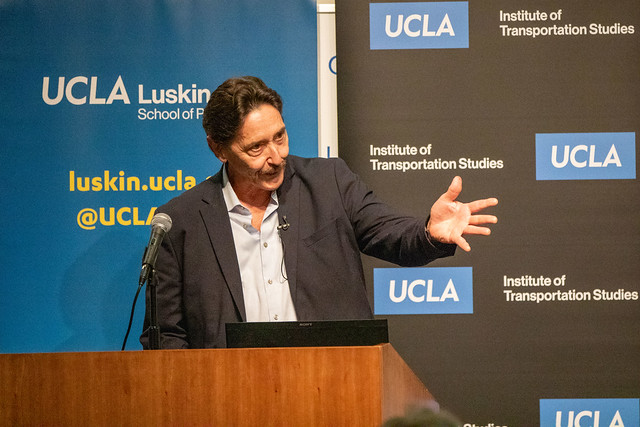
man wearing glasses speaks at podiumProfessor Brian Taylor invited Robert Cervero to speak about his long association with the late Martin Wachs at both UCLA and UC Berkeley.
man wearing glasses speaks at podium
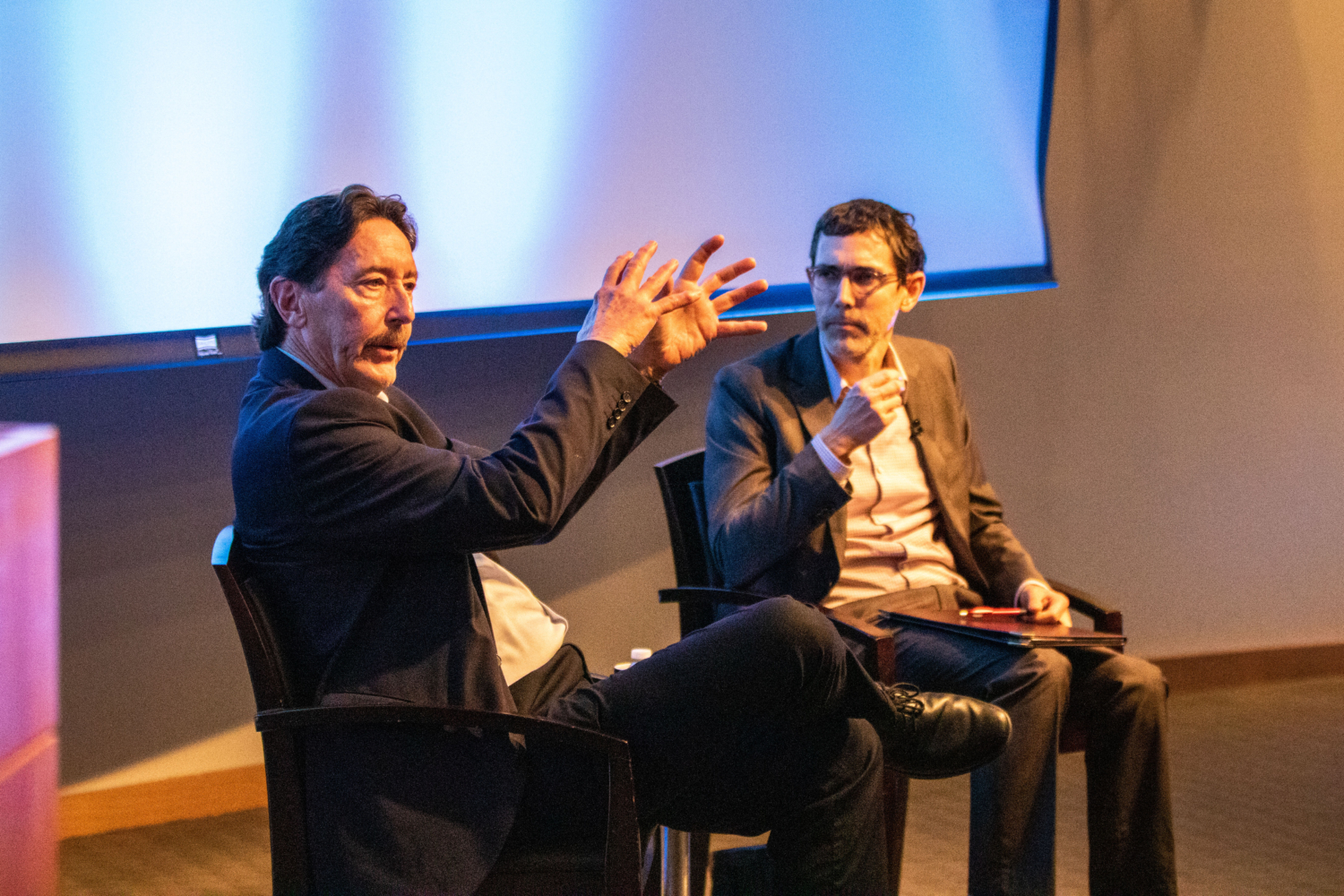
two men talk while seated in front of a projection screen
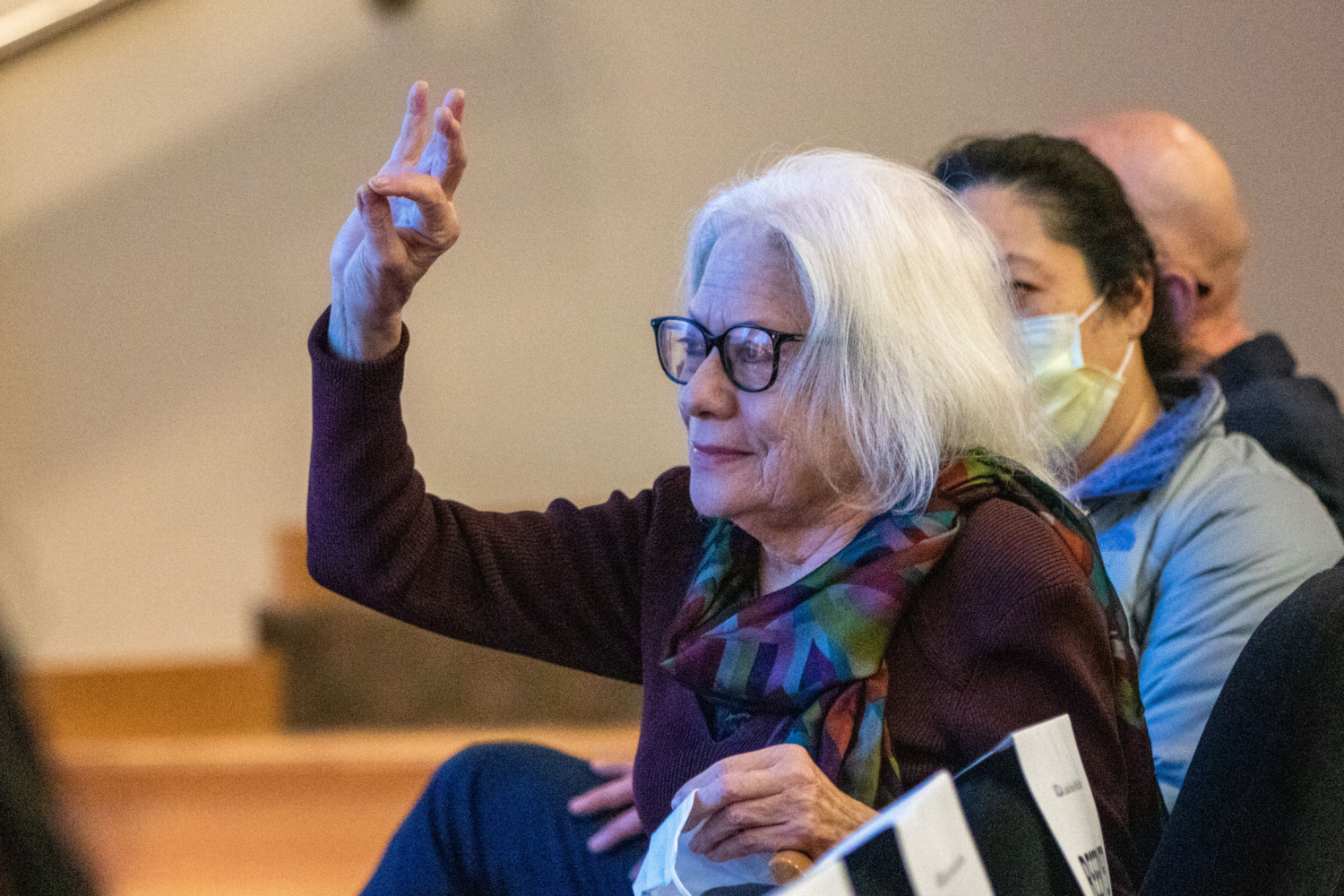
woman with gray hair gestures

In looking at the concepts articulated by Wachs so many years before, Cervero also found lessons that can be applied to some of today’s planning and policy debates. One example is the idea of a “15-minute city,” a place designed by planners to ensure that most people have ready access not just to work but to the other necessities of daily life within 15 minutes of their homes.

The idea is laudable, but it has its critics. 

“If you really insist on this, you potentially stifle economic competition. Companies don’t want to thinly distribute activities everywhere,” said Cervero, as some in the audience of UCLA faculty, staff, students and alumni nodded their heads in agreement. “So, this idea of a 15-minute city really runs in the face of what economists have long argued are important economic drivers towards the economic growth and performance of a city.”

In his career, Cervero has consulted on transportation and urban planning projects worldwide, including recently in Singapore. “They’ve come up with this idea of the 20-minute town and the 45-minute city. You can reach a lot of things within 20 minutes. But when it comes to employment, when it comes to going to see a sporting event or buying a car or going to a regional hospital with specialized medical care, that’s a 45-minute city. So, I think we’re getting a lot better articulation and sensible policy.”

During a Q&A session after his formal presentation, Cervero spoke with UCLA Professor Adam Millard-Ball and took questions from the audience. When asked to talk more about his global experience, he explained that much of the scholarly work to date has focused on urban life in the United States and Europe. 

Some of today’s researchers focus on climate change impacts and how to find “a little more efficiency out of electric mobility or ridesharing or whatever. But in the grand scheme of things, over the next 20 or 30 years, 80% to 90% of urbanization is not going to happen in the Global North. It’s going to be in south Asia and Africa, and whatever happens there is going to swamp any and everything we do here, particularly in the rates of carbon emissions and so forth.”

In the developed world, the focus is often on how to get people from the central cores to jobs in suburbia. That’s less true in places like Mexico, South America, Indonesia and other parts of Asia. 

“It’s a totally different landscape. Most of the poor are not in cities but in far-flung suburbs or towns. When you’re talking about lack of access, it’s a two- to three-hour, one-way daily commute,” Cervero said. “The amount of time and resources you have to invest is enormous just getting to and from where you need to be in order to have the earnings to cover basic needs.”

He was also asked about the impact of the COVID-19 pandemic and the resulting rise in remote work.

“Historically, we think of physical proximity,” said Cervero, noting that when workers have highly specialized skill sets they depend on interactions in teams of people with other specialized skills to thrive. 

“The whole idea of access being tied to location is being somewhat thrown around by all these rapidly evolving, powerful kinds of technological advances,” he said. “Technology is transforming. The notion of physical proximity as we all know it has long driven the idea of cooperation. But maybe it happens less.”

Established by students, the Wachs Lecture Series features prominent and innovative scholars and policymakers in the field of transportation. The UCLA Luskin Lecture series brings together scholars with local and national leaders to discuss solutions to society’s most pressing problems. This event was organized by UCLA’s Luskin School of Public Affairs and Institute of Transportation Studies, for which Taylor has served as the director and Millard-Ball the interim director. Cervero was the director of UC Berkeley’s counterpart to ITS for many years.

View additional photos on Flickr

UCLA Lecture by Robert Cervero

Watch a recording of the lecture on YouTube

How Laws and Policies Can Close — or Widen — Gender Gaps New book by UCLA researchers shows that progress toward gender equality has stalled, particularly for caregivers in the U.S.

February 28, 2023/0 Comments/in Diversity, Education, For Faculty, For Policymakers, For Students, For Undergraduates, Global Public Affairs, Public Policy, Public Policy News, Research Projects, School of Public Affairs Jody Heymann /by Les Dunseith

By Les Dunseith

A comprehensive review of economic gender equality in 193 countries by the UCLA WORLD Policy Analysis Center identifies global trends and exposes policy gaps that include shortcomings when it comes to caregiving.

When the authors of a new open-access book first began tracking maternity leave policies around the world in 2000, they were alarmed to find that 18 countries had no national paid leave in place for working mothers. Today, seven remaining countries still lack such protection — five small island nations, Papua New Guinea, and the United States of America.

The book, “Equality within Our Lifetimes,” pulls together information from more than a decade of research that has also been collected into a robust, freely downloadable database. Co-author Jody Heymann, a professor at UCLA and founding director of WORLD, said that through the 1980s gender equality was rapidly advancing.

“There were more women entering the workforce. There were increased economic opportunities for women, increased educational opportunities,” she said. “That progress has completely stalled.”

The country’s gender wage gap has barely budged for 15 years. What’s more, it’s even broader among parents. In 2021, the average mother working full-time in the U.S. still earned just 73 cents for each dollar earned by a father working full-time.

Because U.S. women remain predominantly responsible for all types of caregiving, it’s not just new mothers who are impacted by the continued lack of federal paid family leave and other legal protections for caregivers in the workplace. The authors cite studies that show women are three times as likely as men in the U.S. to lose their jobs or to leave the workforce because they’re caring for an ill adult.

The economy has felt the impacts. From 2000 to 2019, the U.S. dropped from 7th to 23rd in a ranking of 36 high-income countries on women’s participation in the labor market, Heymann noted. Amid COVID-19, women’s labor force participation fell to its lowest rate since 1987 and has yet to fully recover — with Black and Latina women experiencing the greatest losses.

Heymann and her research team analyzed national laws and policies in all 193 countries of the United Nations. Among their findings:
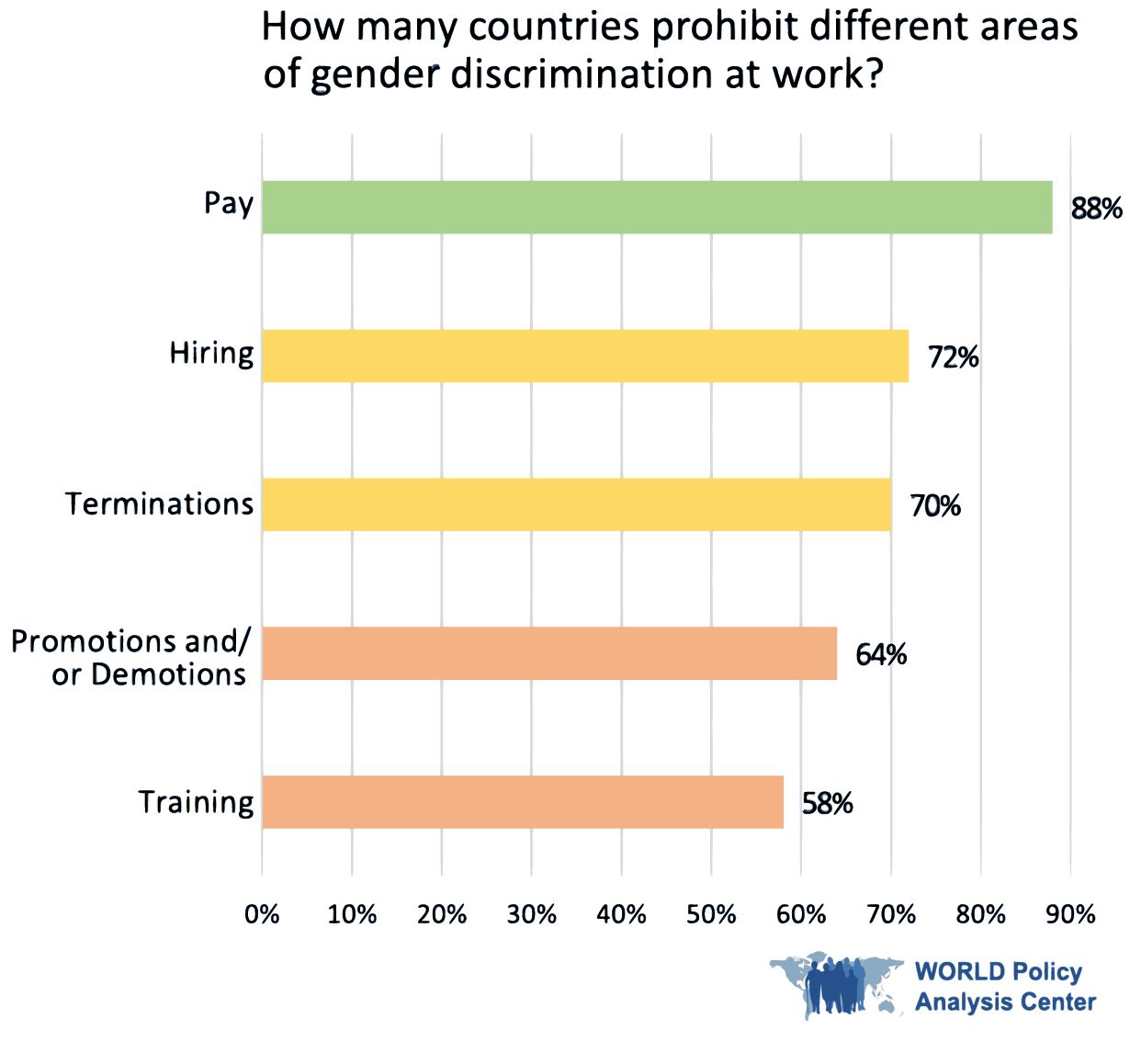
  • Although nearly all countries (93%) now prohibit at least some form of gender discrimination in the workplace, only half prohibit discrimination based on family responsibilities.
  • In 1 in 5 countries, employers can legally discriminate against women of color because laws fail to prohibit employment discrimination based on both gender and race.
  • Over five years since #MeToo went global, 1 in 4 countries still fail to explicitly prohibit sexual harassment at work. In about one-third of countries, the law is silent on employer retaliation, meaning women can be fired if they report harassment.
  • Two- thirds of countries fail to provide paid leave to care for a child during routine illnesses or to take them to the doctor.
  • A majority of countries (58%) provide no paid leave to care for an ill spouse, and 61% offer no paid leave to care for an aging parent.

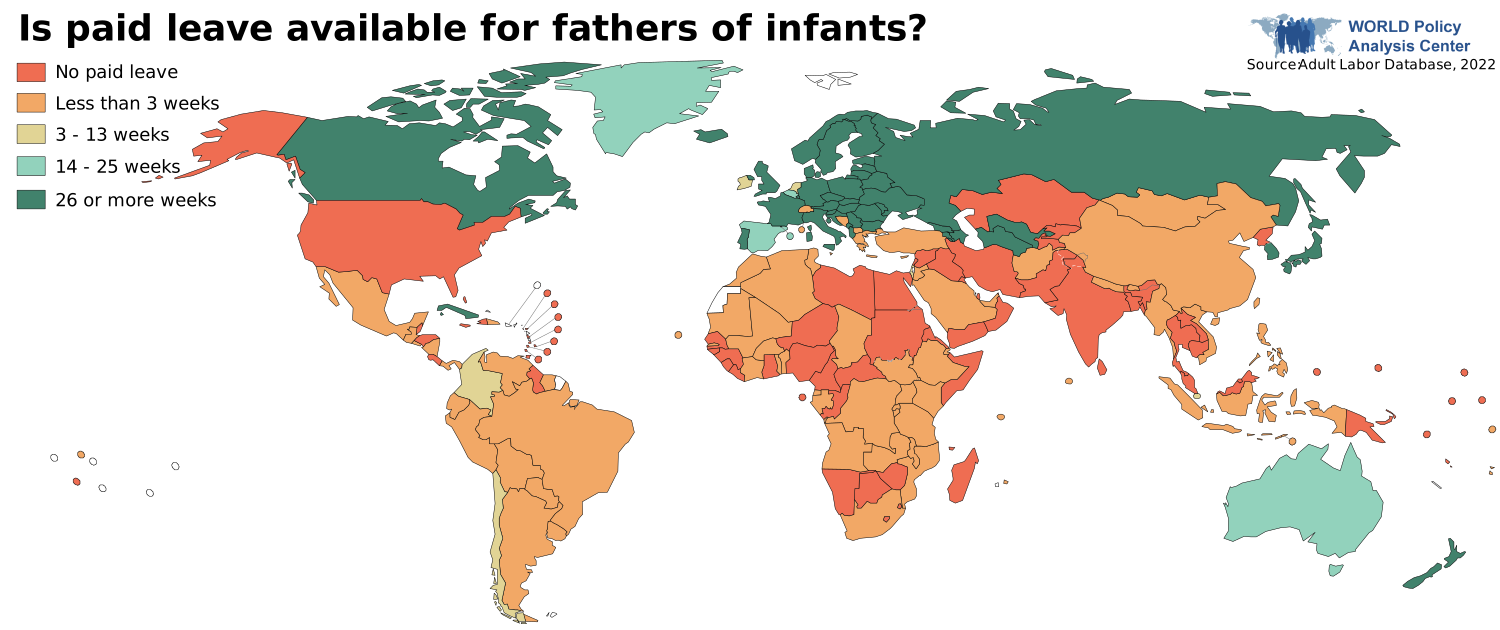
color coded map

Fathers of infants have far less paid leave available to them than do mothers.

More encouraging for the authors is a worldwide trend toward paid leave for new fathers. Between 1995 and 2022, 71 countries enacted paid leave for dads, increasing the share of countries globally with leave from 24% to 63%. The U.S is not among them.

In the United States, some private employers and 11 states, including California, now offer paid parental leave, although inconsistently. Co-author Aleta Sprague, an attorney and senior legal analyst at WORLD, said the negative impact of not providing paid family leave at the national level is far-reaching.

“It’s no longer in question that our lack of support for new parents and other caregivers is driving women to leave the labor force,” Sprague said. “And that in turn is a barrier to economic growth.”

UC Press is releasing the book — authored by Heymann, Sprague, and co-author Amy Raub, principal research analyst at WORLD — at roughly the halfway point of the Sustainable Development Goals, a 2015 United Nations commitment to ensure equal rights across the globe by 2030. It is being distributed online, accompanied by briefing papers and downloadable assets in multiple languages, as part of a commitment to making top university research readily available to everybody, Heymann said.

The book presents new research on the extent and pace of policy change in 193 countries as well as new longitudinal studies of policy impact, bolstered by case studies that show how change can occur. The lesson from around the world is that solutions exist from every political perspective.

“The way you get to 187 countries providing paid maternity leave, the way you get to every other major economy providing paid sick leave except for the United States, is that there are conservative solutions, there are progressive solutions, there are middle-of-the-road solutions,” Heymann said.

There’s little disagreement among the general public about the need for paid family leave. The Family Medical Leave Act, a 1993 law that guarantees unpaid, job-protected leave for specified family and medical reasons only for some employees, has proven to be inadequate. Heymann said polls have shown that across party lines and across states, paid family leave is popular.

“People want parents to be able to take time to care for a newborn child. They want adults to be able to take time to care for a dying parent,” Heymann said. “And they don’t want American parents to drop into poverty because of it.”

So, is it possible to achieve gender equality in our lifetimes?

“It is completely within our reach,” Heymann said. “There are solutions that can be achieved in real time, that are feasible.”

Sprague’s answer is similar. “I think we know how to get there. One thing that this book illustrates is how feasible it is and how much of a difference a few key policy changes can make.”

Moreover, Heymann emphasized, the standard arguments against some of those key policies in the U.S. overlook critical evidence about their potential for impact. “Too often, policymakers highlight the costs of paid leave without acknowledging its overwhelming payoffs,” she said. “The evidence is clear that when women in particular have access to paid leave for family caregiving needs, they are far more likely to stay in the workforce — and even slightly narrowing the gender gap in labor force participation would boost our GDP by hundreds of billions. It’s a powerful investment.”

Heymann pointed to studies from McKinsey, the World Bank, and others demonstrating how advancing gender equality pays huge dividends.

“At core, gender equality is a basic human right,” she continued. “But it also yields tremendous economic value—and the U.S.’s continued inaction comes at a high cost to us all.”


To conduct the studies referenced in this book, a multilingual, multidisciplinary research team systematically analyzed the laws and policies of all 193 U.N. member states. They also rigorously analyzed the impacts of legal changes around the world. The book is being distributed through UC Press, and downloadable resources are being made available on the website of the UCLA WORLD Policy Analysis Center.

The WORLD Policy Analysis Center (WORLD) at UCLA is the largest independent global policy data center, capturing over 2,500 social, economic, health, and environmental quantitative legal indicators for all 193 U.N. countries. With an international, multilingual, and multidisciplinary team, WORLD collects and analyzes information on every country’s rights, laws, and policies in areas including education, health, adult labor and working conditions, child labor, poverty, constitutional rights, discrimination, childhood, gender, marriage, families, aging, and disability. Heymann, the center’s founding director, is a distinguished professor of public policy, medicine, and health policy and management at UCLA with appointments in the Fielding School of Public Health, Luskin School of Public Affairs and David Geffen School of Medicine. She is also dean emeritus of the Fielding School.


Michael Storper Receives International Geography Prize The prestigious Vautrin Lud Award honors a scholar whose contributions are globally recognized

October 3, 2022/0 Comments/in For Faculty, For Policymakers, For Students, For Undergraduates, Global Public Affairs, School of Public Affairs, Urban Planning Michael Storper /by Mary Braswell

By Stan Paul

Michael Storper, distinguished professor of regional and international development in urban planning and director of Global Public Affairs at UCLA Luskin, was selected by an international jury to receive the prestigious 2022 Vautrin Lud International Award for Geography.

Storper traveled to Saint-Dié-des-Vosges in northeastern France to accept the award at an Oct. 2 ceremony, part of the annual three-day International Festival of Geography founded in 1990.

The Vautrin Lud Award is typically given to a person who has made outstanding contributions to the field of geography and has achieved a wide international reputation as an outstanding scholar.

“It is always an honor to be elected by one’s peers around the world,” said Storper, who joins a select group of UCLA Luskin faculty who have earned the accolade. The late Edward Soja received the honor in 2015 and emeritus professor Allen J. Scott won in 2003.

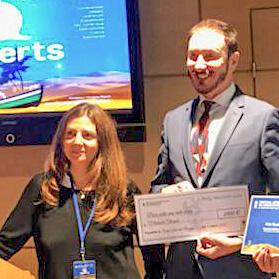
Woman and man holding prize check

Associate Professor Celine Vacchiani-Marcuzzo of the University of Reims Champagne-Ardenne, left, presents the Vautrin Lud Award to Michael Storper. Photo by Andrés Rodríguez-Pose

“Michael Storper’s contributions have been transformative and, in the spirit of urban planning, provide practical guidance on developing metropolitan regions around the globe,” said Chris Tilly, professor and chair of Urban Planning at UCLA Luskin.

Storper, who received his Ph.D. in geography from the University of California, Berkeley, and who has been affiliated with UCLA for four decades, is an international scholar who focuses his research and teaching on the closely linked areas of economic geography, globalization, technology, city regions and economic development.

He holds concurrent appointments in Europe, at the Institute of Political Studies (“Sciences Po”) in Paris, where he is professor of economic sociology and a member of its Center for the Sociology of Organizations; and at the London School of Economics, where he is professor of economic geography.

The Vautrin Lud Prize, created in 1991, rewards the work and research of a single distinguished geographer, identified after consultation with hundreds of researchers around the world. The prize, sometimes referred to as the “Nobel Prize in Geography,” is considered the highest international award in the field.

The annual award is named after the French scholar who was instrumental in naming America for the Florentine navigator Amerigo Vespucci, whose account of landing on the North American continent found its way to the group of Saint-Dié-des-Vosges scholars directed by Lud. In 1507, the group used Vespucci’s accounts to publish one of the earliest geographical treatises regarding the New World.

The honor adds to awards Storper has received for his decades of work and research.

The American Association of Geographers awarded Storper its Distinguished Scholarship Honors for 2017, and he received the 2016 Gold Founder’s Medal from the Royal Geographical Society (with the Institute of British Geographers).

Storper, co-author of the 2015 book, “The Rise and Decline of Urban Economies: Lessons from Los Angeles and San Francisco,” was previously named to the Thomson Reuters list of the World’s Most Influential Scientific Minds of 2014. In 2012, he was elected to the British Academy and received the Regional Studies Association’s award for overall achievement as well as the Sir Peter Hall Award in the House of Commons. He also holds an honorary doctorate from the University of Utrecht in the Netherlands.

UCLA Luskin Research Helps Guide Public Health Response to Ongoing Monkeypox Outbreak Ian Holloway is among researchers working with health officials to develop evidence-based strategies

September 1, 2022/1 Comment/in For Faculty, For Policymakers, For Students, For Undergraduates, Global Public Affairs, Health Care, HIV/AIDS, Research Projects, School of Public Affairs, Social Welfare, Social Welfare News, Social Welfare PhD Ian Holloway /by Les Dunseith

By Les Dunseith

UCLA Luskin researchers are helping shape local and state health policy decisions in the wake of the monkeypox virus outbreak.

Ian Holloway, director of the Hub for Health Intervention, Policy and Practice at UCLA Luskin, is one of the researchers leading the effort. The Social Welfare professor was asked to sit on the scientific advisory committee to the California Department of Public Health soon after the first case in the United States was reported in mid-May.

Holloway, who aims to use research-based evidence to shape local and state public health policy regarding monkeypox, is now in the early stages of microsimulation modeling in relation to the disease. He and his researchers can model various scenarios using this advanced statistical approach, which allows policymakers to view and understand different hypotheticals.

“What if we can vaccinate 50% of those who are at risk by a certain time — what impact will that have on transmission?” Holloway asked. “What if we can get all of those who test positive for monkeypox on treatment within a certain time frame to reduce the risk of transmissibility — what will that mean for the evolution of the virus?”

Holloway has stressed the need to prioritize an equity-focused response in communities of men who have sex with other men, particularly among racial and ethnic minority gay men. In an August 18 editorial published by the American Journal of Public Health, he outlined a four-point strategy for how to scale up monkeypox vaccinations without further stigmatizing gay men.

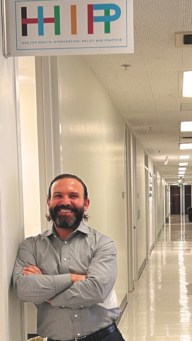
man smiles as he stands beneath sign that designates office location for research hub

Ian Holloway of the Hub for Health Intervention, Policy and Practice. Photo by Mary Braswell

“My hope in working with Los Angeles County and the California Department of Public Health is that we can be really strategic and use research evidence to inform public health policy,” Holloway said. “One thing that’s promising for monkeypox vaccination is that we saw very high levels overall of vaccination for COVID-19 among LGBT communities in general, and gay men specifically. However, we still saw disparities by race and ethnicity.”

Extending eligibility

He supports an August 24 decision by the Los Angeles County Public Health Department to follow national guidance and extend eligibility to more people despite an ongoing shortage of the monkeypox vaccine. Doing so will bolster efforts to reach racial and ethnic minority communities, he said.

The new strategy involves a process known as dose splitting, in which a vial that usually contains two doses is split into up to five doses and administered in a way that retains effectiveness despite the lower dosage. Traditionally the vaccine is administered in a subcutaneous manner into the fat behind the triceps muscle. The new strategy is for a shallow intradermal injection into a layer of skin under the arm. This method typically leads to higher immune responses and faster drug uptake.

“Hopefully, that will mean we can get more doses to people,” Holloway said. “But public health departments really have to start planning to reach large communities of gay, bisexual and other men who have sex with men.”

In cities like Los Angeles, Holloway noted, people getting vaccinated tend to be more affluent and can afford to take time off work when they get a text reminder saying it’s their turn. “It’s much more challenging to reach those with lower incomes who are disproportionately part of racial and ethnic minority communities,” he said.

Holloway also leads the Gay Sexuality and Social Policy Initiative at UCLA, which focuses specifically on the unique experiences of gay men related to sex and sexuality. Although monkeypox is spread through any type of intimate contact, 98% of U.S. infections in the current outbreak have been among men, primarily those who have sex with other men.

Alex Garner, co-director of the initiative, is also director of community engagement at MPact Global, a worldwide organization dedicated to improving the health and well-being of gay, bisexual and queer folks, and advancing human rights. Garner has advised the World Health Organization (WHO), UNAIDS, and the European Centre for Disease Prevention and Control on communication strategies and community engagement relating to the disease. He said the outbreak has further demonstrated the structural inequalities that exist in health care.

“At the same time, we can’t allow stigma to be worse than the disease,” Garner said. “To not provide adequate investment and care for people of color, migrants, sex workers and LGBTQ folks only reinforces the idea that our lives do not matter.”

The stigma problem

Holloway and Garner are among those lobbying to change the name of the disease to something less stigmatizing than monkeypox such as MPX, which is favored by state public health officials.

Advising gay men without stigmatizing them — a frequent problem during the HIV epidemic — requires sensitivity in how information is communicated. Holloway’s team at UCLA has been active in working with community partners like the Los Angeles LGBT Center on education and raising awareness.

Initially, GSSPI put out a set of infographics about protecting oneself from exposure to the virus and how to identify the symptoms, which are similar to a severe flu. Infected individuals usually develop a rash and then lesions during a painful illness that can last up to four weeks.

So far, no one in the United States has died in an outbreak that now totals more than 40,000 cases worldwide and over 3,000 in California. Los Angeles County has the highest rate of infection in the state.

The outbreak spread quickly but is unlikely to disappear nearly as fast. The vaccine needs to be administered twice, four weeks apart, with 85% immunity not achieved until two weeks after the second dose. “We have a long road in front of us in terms of being able to get our communities protected through vaccination,” Holloway said.

The task at hand is both urgent and daunting, while the health and social ramifications are far-reaching. That’s why Holloway has enlisted assistance from Brian Keum, who also teaches in the department of social welfare, and Zachary Steinert-Threlkeld of UCLA Luskin Public Policy for another monkeypox-related research endeavor.

The project involves data mining of a Twitter database developed by Steinert-Threlkeld that goes back to 2014. By tracking homophobic hate speech, UCLA Luskin researchers will be able to document the types of hate speech relating to the monkeypox outbreak and inform communication strategies to confront online homophobia.

“There’s been a surge in homophobic hate speech online,” Holloway said. “The goal of this second project is understanding the ways in which homophobic hate speech online is evolving in parallel to the spread of (monkeypox) and through social media networks.”

He noted that social media can be a powerful way to spread both negative and positive information — greater attention was drawn to the outbreak in June when actor Matt Ford started posting videos on Twitter and TikTok about his symptoms and treatment, for example.

“I’m also interested in the ways in which gay communities are caring for themselves using social media during this time,” Holloway said.

Page 1 of 512345

Recent Posts

  • Pierce on LADWP inspections by U.S. EPA December 22, 2025
  • Measuring the Impact of the Community Schools Model December 22, 2025
  • Rethinking Rent Control in California December 22, 2025
  • Kim on the Rebuilding Efforts After the Palisades Fire December 19, 2025
  • Michael Manville on Why L.A. Traffic Isn’t Improving Much December 19, 2025

Contact

UCLA Luskin School of Public Affairs

3250 Public Affairs Building - Box 951656
Los Angeles, CA 90095-1656

Campus Resources

  • Maps, Directions, Parking
  • Directory
  • Contact
  • Academic Calendar
  • Careers
  • Diversity
  • University of California
  • Terms of Use

Follow

The statements on this page represent the views of people affiliated with the Luskin School of Public Affairs and do not necessarily represent the views of the University of California, or UCLA or its Chancellor.

Posts and comments by individuals at UCLA on social media channels may not reflect the opinions or policies of UCLA, the University of California or the Luskin School, nor its benefactors and academic partners.

Scroll to top